Hey there! I’m a supplier of gas cylinder components, and over the years, I’ve seen my fair share of issues with these parts. In this blog, I’ll chat about some of the common problems with gas cylinder components that I’ve encountered. Gas Cylinder Components

Let’s start with valves. Valves are super important as they control the flow of gas in and out of the cylinder. One of the most common problems with valves is leakage. This can happen due to a few reasons. Sometimes, the valve seat might get worn out. The valve seat is the part where the valve closes against to stop the gas flow. When it gets worn, it can’t form a proper seal, and gas starts to leak. It could also be because of a damaged O – ring. O – rings are those rubbery seals that help prevent leaks. If they get cut, cracked, or just plain old, they won’t do their job properly.
Another problem with valves is sticking. You know, when you try to turn the valve to open or close it, and it just won’t budge easily. This can be caused by dirt or debris getting into the valve mechanism. If there’s a build – up of dust or other particles inside the valve, it can make the moving parts get stuck. Sometimes, corrosion can also cause sticking. If the valve is made of metal and it’s exposed to moisture or certain chemicals, it can start to rust, and that will make it difficult to operate.
Next up, we’ve got the regulators. Regulators are used to control the pressure of the gas coming out of the cylinder. One common issue with regulators is inaccurate pressure control. Sometimes, the regulator might not be able to maintain a steady pressure. It could either give too much pressure, which can be dangerous as it might cause damage to the equipment connected to the cylinder. Or it could give too little pressure, which might make the equipment not work properly.
This inaccurate pressure control can be due to a faulty diaphragm. The diaphragm is a key part of the regulator that senses the pressure and adjusts the flow accordingly. If the diaphragm gets damaged, maybe due to wear and tear or a manufacturing defect, it won’t be able to sense the pressure correctly, and that leads to the pressure problems. Also, blockages in the regulator can cause issues. If there’s something blocking the flow of gas through the regulator, it can mess up the pressure regulation.
Cylinder bodies themselves can also have problems. One of the big ones is corrosion. Gas cylinders are often made of metal, and if they’re exposed to moisture, saltwater (especially in coastal areas), or certain chemicals, they can start to corrode. Corrosion weakens the structure of the cylinder. It can cause small holes or thin spots in the cylinder wall, which can lead to gas leakage or even cylinder failure.
Another problem with cylinder bodies is denting. Dents can occur during handling or transportation. A dent might not seem like a big deal at first, but it can actually be a serious issue. A dent can cause stress concentrations in the cylinder wall. This means that the area around the dent is under more stress than the rest of the cylinder. Over time, this can lead to cracks, which can be extremely dangerous as they can cause the cylinder to rupture.
Gauges are another component that can have problems. Gauges are used to show the pressure inside the cylinder. One common problem is inaccurate readings. The gauge might show a different pressure than what’s actually inside the cylinder. This can be due to a mechanical problem with the gauge. Maybe the needle is loose or the internal mechanism is damaged. It could also be because of a calibration issue. If the gauge hasn’t been calibrated properly, it won’t give accurate readings.
Now, let’s talk about the safety features of gas cylinders. Safety relief valves are an important safety feature. They’re designed to release gas if the pressure inside the cylinder gets too high. However, these valves can also have problems. Sometimes, they might get stuck in the closed position. If this happens and the pressure inside the cylinder rises above the safe limit, the cylinder could explode. On the other hand, they could also get stuck in the open position. This would cause a continuous leak of gas, which is not only a waste but also a safety hazard.
The collars and caps of gas cylinders also need attention. Collars are used to protect the valve and other components on the top of the cylinder. Caps are used to cover the valve when the cylinder is not in use. A common problem with collars is that they can get damaged or loose over time. If the collar is loose, it won’t provide proper protection to the valve. Caps can also be lost or damaged. If the cap is missing, the valve is exposed to dirt, debris, and moisture, which can cause problems with the valve.
So, as you can see, there are quite a few common problems with gas cylinder components. But don’t worry! As a supplier, I’ve got solutions. I make sure that all the components I supply are of high – quality. We use the best materials and the latest manufacturing techniques to ensure that our valves, regulators, gauges, and other parts are reliable.
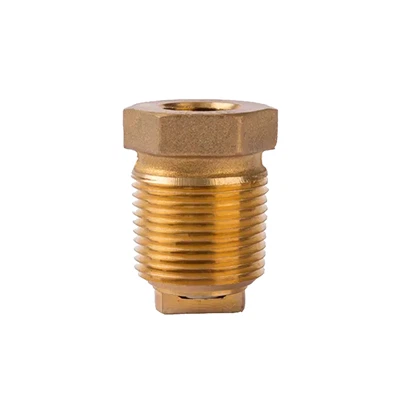
If you’re in the market for gas cylinder components, I’d love to have a chat with you. Whether you’re a small business or a large industrial company, I can provide you with the right components for your needs. Just reach out, and we can discuss your requirements and find the best solutions for you.
Special Container References:
- Gas Cylinder Safety Handbook, various editions
- Industry reports on gas cylinder component failures
Shanghai Luzhen SCM Co., Ltd.
As one of the most professional gas cylinder components manufacturers and suppliers in China, we’re featured by quality products and good price. Please rest assured to buy bulk discount gas cylinder components from our factory. We also accept customized orders.
Address:
E-mail: bao@lu-chain.com
WebSite: https://www.lu-chain.com/
