The installation time for a hose mender can vary based on a multitude of factors, and understanding these can help both distributors and end – users make informed decisions. As a trusted hose mender supplier, I’ve had the opportunity to witness first – hand how different scenarios can affect the installation duration. Hose Mender

Factors Affecting Installation Time
1. Type of Hose Mender
There are several types of hose menders on the market, each with its own installation requirements. For instance, a simple screw – on hose mender is generally one of the quickest to install. These menders are designed with a straightforward mechanism. All that is typically required is to align the mender with the ends of the hose and then twist it into place. In most cases, an experienced individual can complete this process within 1 to 2 minutes.
On the other hand, a clamp – style hose mender might take a bit longer. The installation of this type involves opening the clamp, placing it around the hose connection point, and then tightening the clamp securely. This tightening process needs to be done carefully to ensure a proper seal. Depending on the complexity of the clamp design, installation could take anywhere from 3 to 5 minutes.
For more complex hose menders, such as those that require glue or a chemical bonding agent, the installation time can be significantly longer. The hose ends must be properly cleaned and prepped before applying the bonding agent. Then, the mender needs to be held in place for a certain period until the glue sets. This waiting time can vary from 10 to 30 minutes or even longer, depending on the type of adhesive used and ambient conditions like temperature and humidity.
2. Hose Condition
The state of the hose itself plays a crucial role in determining the installation time. If the hose is in good condition, with clean, undamaged ends, installing a mender is relatively quick and straightforward. However, hoses that are dirty, have rough or uneven ends, or are severely damaged may require additional preparation before the mender can be installed.
For a dirty hose, the ends need to be thoroughly cleaned to ensure a good seal with the mender. This can involve using a brush, solvent, or water to remove dirt, oils, and debris. Depending on the level of contamination, this cleaning process could add 2 to 5 minutes to the overall installation time.
If the hose ends are rough or uneven, they may need to be trimmed or sanded to create a smooth surface for the mender. This additional step can take anywhere from 3 to 10 minutes, depending on the amount of work required.
In cases where the hose is severely damaged, extra care may need to be taken to ensure that the mender will provide a reliable repair. This could involve using additional support materials or taking extra time to align the mender correctly. As a result, the installation time for a severely damaged hose can be up to twice as long as for a hose in good condition.
3. Experience of the Installer
The skill and experience of the person installing the hose mender are also significant factors. A novice installer may take longer to complete the installation as they familiarize themselves with the mender and the installation process. They may need to refer to the instructions more frequently, and this can slow down the process.
An inexperienced installer might also make mistakes, such as not tightening a clamp enough or not properly aligning the mender. Correcting these mistakes can add a considerable amount of time to the installation. On average, a novice installer might take 2 to 3 times longer than an experienced one.
In contrast, an experienced installer who has worked with hose menders regularly can quickly identify the type of mender needed, assess the hose condition, and carry out the installation efficiently. They are familiar with the correct techniques and can make adjustments on the fly, reducing the overall installation time.
Typical Installation Time Ranges
Based on the factors mentioned above, we can estimate some typical installation time ranges for hose menders. For a basic screw – on hose mender installed on a clean, undamaged hose by an experienced person, the installation time is likely to be between 1 and 2 minutes.
For a clamp – style mender on a similar hose, the time may range from 3 to 5 minutes. If the hose requires some light cleaning or minor preparation, an additional 2 to 5 minutes may be added to these times.
When it comes to hose menders that require bonding agents, the installation time increases significantly. On average, the total time (including prep and waiting for the adhesive to set) can be between 15 and 30 minutes.
For severely damaged hoses, regardless of the type of mender used, the installation time can be anywhere from 10 to 20 minutes longer than for a hose in good condition.
Importance of Understanding Installation Time
From a supplier’s perspective, understanding the installation time of our hose menders is crucial. It allows us to set appropriate expectations for our customers. If a customer needs a quick fix for a hose, we can recommend a screw – on or clamp – style mender and let them know how long the installation will take.
For our customers, knowing the installation time helps in planning. In industrial settings, where downtime can be costly, understanding how long it will take to install a hose mender can help in scheduling maintenance and minimizing production disruptions. In a home setting, it allows users to set aside the right amount of time for a DIY repair.
Optimizing Installation Time
As a supplier, we are continuously looking for ways to optimize the installation time of our hose menders. This includes improving the design of our products to make them more user – friendly. For example, we can use materials that are easier to work with and design clamps that are quicker to tighten.
We also provide detailed and easy – to – understand installation instructions. These instructions are available in multiple formats, including printed guides and online videos. By making it easier for installers to understand the process, we can reduce the time spent on referring to instructions and increase the likelihood of a successful and efficient installation.
Conclusion
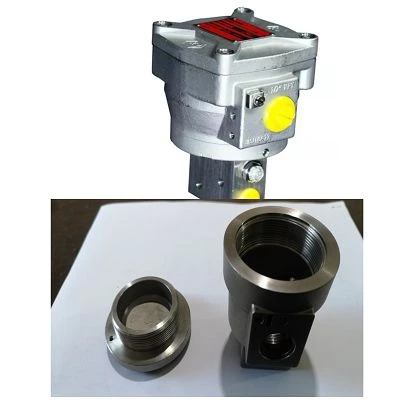
In conclusion, the installation time for a hose mender is influenced by various factors such as the type of mender, the condition of the hose, and the experience of the installer. By understanding these factors, we can provide more accurate information to our customers and help them make better decisions.
KC Nipple If you are in the market for high – quality hose menders and want to learn more about our products, their installation times, and how they can meet your specific needs, we encourage you to reach out to us for a procurement discussion. We are here to provide you with the best solutions and support to ensure your hose repair needs are met efficiently and effectively.
References
- Industry standards for hose mender installation
- Internal product testing and data collection on installation times
- Customer feedback and case studies on hose mender installations
Suzhou Fuyikang Metal Industrial Co., Ltd.
As one of the most professional hose mender manufacturers and suppliers in China, we have world-leading production equipment and strong manufacturing capabilities. We warmly welcome you to buy bulk high quality hose mender for sale here from our factory.
Address: No.26.Mudong Rd,Mudu Town, Wuzhong Distric, Suzhou City,Jiangsu Province,China
E-mail: SZFYK@SZFUYIKANG-COUPLING.COM
WebSite: https://www.fyk-coupling.com/
