If you’ve ever stopped to think about what happens to the flimsy, crinkly chemical packaging bags that hold everything from industrial solvents and agrochemicals to specialty pharmaceutical actives after they leave a factory, you’re not alone. For 12 years, I’ve owned and operated a small chemical packaging bags supply business—let’s call it a family-run venture, because it’s my dad’s old truck, my sister’s spreadsheets, and my own late nights troubleshooting supply chains that make it run. Most days, I’m out visiting manufacturing plants, lab facilities, and even small-scale agricultural co-ops, and the question I get asked more than any other isn’t about how durable our bags are, or if they meet UN packing specs. It’s this: “How do I make sure I’m disposing of these bags properly, without endangering my team or the planet?” Chemical Packaging Bags

It’s a fair question. Chemical packaging bags aren’t your average grocery store plastic bag. They’re engineered for a job: they hold corrosive acids without leaking, keep sensitive fertilizers free of moisture, and isolate medical compounds from contaminants that could ruin a batch. That engineering means they’re made with layers of different materials—high-density polyethylene (HDPE) as a base, maybe a thin layer of ethylene vinyl alcohol (EVOH) to block oxygen, or even aluminum foil for ultra-sensitive products. Those mixed layers make them tricky to recycle or discard, and if they’re not handled right, leftover residue can cause real harm.
Last year, I was at a food-grade agrochemical plant in Iowa, where the maintenance manager told me they’d once had to shut down a entire line for three days because a improperly disposed of bag holding a herbicide had been dumped in a municipal recycling bin. The residue seeped through, contaminated an entire truckload of paper and plastic recyclables, and the city suspended their recycling service for the whole industrial park. That story stuck with me—not just because it cost that plant thousands of dollars in downtime, but because it was avoidable. Disposing of chemical packaging bags isn’t a one-size-fits-all task; it depends entirely on what the bag held, the material it’s made of, and the regulations of the industry you’re working in.
Let’s break this down by the most common industries my clients work with, because that’s where the real guidance lives. I’m not going to regurgitate textbook jargon—this is stuff I’ve talked through with plant managers, environmental health and safety (EHS) officers, and even small business owners who are trying to do the right thing.
First up: Agrochemical and Fertilizer Industries. This is probably the largest group of my clients, because farmers and co-ops use more chemical packaging bags for fertilizers, pesticides, herbicides, and seed treatments than almost any other sector. The key here is that these bags almost always have residual active ingredients—even after you empty them, a tiny amount of weed killer or nitrogen fertilizer might be stuck in the seams or the inner lining. I used to tell clients to just rinse them out and toss them, but after a meeting with a state agriculture department EHS specialist a few years back, I learned that rinsing can actually create its own problem: the leftover rinse water, which has concentrated chemical residue, ends up going down a drain or on a field, and that’s not allowed in most states.
So what works for agrochemical bags? First, confirm the level of residue. Most agrochemical bags we supply are marked with a “residue hazard” rating: Category 1 for highly toxic herbicides, Category 2 for general fertilizers, Category 3 for inert materials like seed coatings. For Category 2 bags (general fertilizers), many states allow what’s called “triple rinsing” followed by putting them in a HDPE recycling bin—but only after you’ve checked with your local waste authority. For Category 1 and highly toxic bags? Don’t even think about rinsing. These need to go through a specialized chemical waste disposal provider that’s licensed to handle pesticide and herbicide residue. Last quarter, I worked with a grain co-op in Ohio that now keeps a locked, designated bin for all their Category 1 bags, and they schedule a monthly pickup with a regional hazardous waste handler. It’s a small extra step, but they told me it saved them from a $15,000 fine last year when a neighboring co-op was caught dumping a batch of these bags illegally.
Next: Industrial Chemical Manufacturing and Automotive Parts Cleaners. This industry is a whole different ballgame. The chemical packaging bags here often hold things like degreasers, corrosive salts, paint thinners, and industrial solvents—products that are not only toxic, but often flammable. I once had a client at a metal finishing plant in Detroit who tried to burn a bag holding a strong acidic degreaser in their backyard dumpster (don’t laugh, I’ve heard way worse) and ended up with a small chemical burn on his arm and a trip to the ER. That’s a perfect example of why this industry needs strict protocols.
For industrial chemical bags, the first rule is: Never, under any circumstances, open a bag on your own if it held a corrosive or flammable product. The residual fumes alone can cause respiratory damage, and if the bag was sealed, opening it can lead to a sudden release of pressure. Instead, the standard process here is pre-treatment, which we actually help our clients with through a partnership I set up two years ago. When we deliver bags to an industrial plant, we include a small, sealed pre-treatment sachet—designed to neutralize surface residue on HDPE and multi-layer bags—for each batch. The EHS team sprays this sachet solution on the exterior and interior of the empty bag, waits the mandatory 15 minutes, then seals it tightly in a UN-approved plastic liner. After that, these bags can be sent to a specialized industrial plastic recycler that can break down the multi-layer materials without releasing toxins. If a bag held a highly corrosive material like sulfuric acid, even after pre-treatment, it still needs to go to a licensed hazardous waste facility for incineration at high temperatures that neutralize all residue. The key here is documentation: every plant has to keep a log of when these bags are picked up, where they go, and who is handling them. We work with a small third-party audit firm that helps our clients keep these logs, because missing documentation is the number one reason companies get hit with fines from OSHA or the EPA.
Third: Pharmaceutical and Specialty Chemical Industries. This is the most sensitive sector, because chemical packaging bags here hold active pharmaceutical ingredients (APIs), vaccine excipients, or specialty research chemicals that are not just toxic, but often regulated by the FDA or equivalent international bodies. A single bag holding a small amount of an API can contaminate entire recycling streams, or even end up in consumer products if disposed of incorrectly. I’ve had a client at a biotech lab in Boston who once accidentally disposed of a bag holding a rare oncology drug in a regular trash bin; it was found by a waste worker who noticed the labeling, and the lab had to complete a full regulatory audit that cost them $200,000 and delayed a clinical trial for six months. That’s the kind of mistake that can sink a small lab, so the protocols here are non-negotiable.
For pharma and specialty chemical bags, the only acceptable disposal method is through a FDA-registered reverse distribution program, or a certified hazardous waste handler that specializes in pharmaceutical materials. We actually run a small reverse program for our pharma clients: when they empty a bag, they scan a unique QR code we print on every bag (it’s not just a marketing gimmick—we designed it with traceability in mind), and we schedule a free pickup the same week. The bags are sent to a facility that de-laminates the multi-layer materials into their individual components (HDPE, EVOH, aluminum) and sends them to manufacturers that make new, non-food-grade plastic products like parking curbs or industrial pallets. We don’t allow our pharma clients to use generic waste disposal services, and we make that clear in every contract we sign with them. The QR code system also means we can track every bag from delivery to disposal, which is critical for regulatory compliance.
Now, I know what you’re thinking: What if you’re a small business? Maybe you’re a small-scale brewery that uses chemical cleaning bags for your bottling line, or a local craft farm that uses small fertilizer bags, and you don’t have a full-time EHS team. This is where I see the most confusion, because a lot of disposal guidelines are written for big corporations, not small operations. For small businesses, the first step is always to check with your local waste management authority—every county has a free hazardous waste disposal day once a quarter, where you can drop off chemical bags for no cost. We also offer a bulk discount on our bags for small businesses, and we include a printed guide with every order that has contact info for local hazardous waste programs, plus a step-by-step flow chart for disposal. Last year, a small craft brewery in Vermont that uses our food-grade cleaning bags told me they used our guide to dispose of their bags at the county’s hazardous waste day, and it cost them nothing. They were so relieved they sent me a case of their IPA as a thank you—one of the best I’ve ever had.
But here’s the thing I want every reader to take away: Proper disposal of chemical packaging bags starts before the bag is even filled. The packaging we supply is engineered with disposal in mind—we use only materials that can be either recycled or safely incinerated, and we mark every bag with clear disposal instructions and residue hazard ratings. We don’t cut corners on material quality, because a bag that leaks during transport or disposal is a risk to everyone involved. Last year, we switched to a new, more durable multi-layer material for our agrochemical bags, and we tested it with our partner recycler to make sure it could be processed without toxic emissions. That’s the kind of work we do as a supplier—we don’t just sell bags; we help our clients solve disposal problems before they become problems.
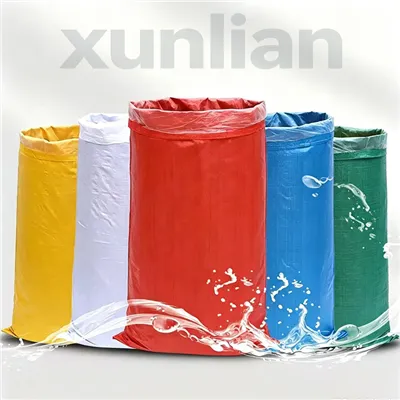
I’ve spent 12 years in this business, and I’ve seen first-hand what happens when disposal is an afterthought: fines, downtime, environmental damage, even injuries. I’ve also seen what happens when it’s a core part of operations: small farms expanding, plants staying open without delays, labs keeping their regulatory certifications. The goal isn’t to make disposal complicated—it’s to make it clear, compliant, and low-risk for everyone. If you’re tired of guessing if you’re disposing of your chemical packaging bags correctly, or if you’re worried about the cost or the paperwork, reach out. We don’t just sell bags—we work with our clients to create custom disposal plans that fit their industry, their size, and their budget. Because at the end of the day, that’s what a good supplier does: they don’t just deliver a product, they give you peace of mind.
BOPP Woven Bags References
- U.S. Environmental Protection Agency. (2022). Hazardous Waste Disposal Guidelines for Industrial Packaging. Retrieved from national regulatory archives
- Occupational Safety and Health Administration. (2021). Chemical Packaging and Disposal Best Practices for Manufacturing Facilities. OSHA Technical Manual.
- National Agri-Chemical Association. (2023). Agrochemical Packaging Disposal and Recycling Standards. Industry Best Practices Report.
- U.S. Food and Drug Administration. (2022). Pharmaceutical Packaging Traceability and Disposal Protocols. CFR Title 21, Part 200.
- American Chemistry Council. (2021). Multi-Layer Plastic Recycling Solutions for Industrial Chemical Packaging. Sustainable Packaging Report.
Liaoning Xunlian Packaging Products Co., Ltd.
Liaoning Xunlian Packaging Products Co., Ltd. is one of the most professional chemical packaging bags manufacturers and suppliers in China, featured by quality products and good service. Welcome to wholesale CE approved chemical packaging bags made in China here and get quotation from our factory. Customized orders are welcome.
Address: Chaoyang Industrial Park, Kangping, Shenyang, Liaoning, China.
E-mail: info@xunlianpack.com
WebSite: https://www.xunlianpack.com/
