
Dance Flooring Hey everyone, it’s [Your Brand – no need for a fake name, just keep it natural], and if you’re here, chances are you’re either a dancer, a studio owner, or someone who’s been Googling “how to not ruin my dance floor for the 10th time this month” – raise your hand if scrubbing scuffs off a sprung floor at 9pm after a 6-hour rehearsal has left you questioning every life choice that led you here ????♀️. As a dance flooring supplier, I get way too many late-night DMs from studios panicking about scuffs, sticky spots, or weird residue that’s making turns feel like slipping on a ice rink. Let’s cut the crap: cleaning a dance floor isn’t the same as mopping your kitchen tile. Do it wrong, and you can strip the grip, leave streaks, or even damage the surface entirely. Today, I’m breaking this down step by step, no fancy jargon, just stuff we actually use for our own floors and pass along to all our clients (yeah, the pros, not TikTok “hacks” that’ll destroy your sprung layer in 6 months). First, let’s get one thing straight: dance floors aren’t one-size-fits-all. If you’ve got a regular vinyl Marley floor (the most common one studios go for these days), that’s different from a permanent hardwood sprung floor, or even the portable ones you roll up for recitals. I’m focusing mostly on the commercial vinyl and sprung floors we supply, since that’s 90% of what folks hit us up about, but I’ll throw in quick notes for hardwood too. Let’s start with the non-negotiables: what you need to actually get the job done, no random stuff you find under your sink. First, skip the regular all-purpose cleaner. That stuff has harsh chemicals or fragrances that leave sticky residue – and if you’re doing pirouettes, sticky residue is your enemy. What you want is a pH-neutral dance floor cleaner. No, dish soap isn’t a replacement (I see you, trying to save a buck – it’s not worth it, trust me). pH-neutral means it’s balanced just right for dance floor surfaces, no stripping the grip or leaving behind gunk. Then, you need a microfiber mop – not the stringy cotton kind. Cotton holds too much water and leaves streaks, plus it can scratch the surface if there’s any hidden debris. Two microfiber pads are good: one for daily light cleaning, one for deep cleans. Oh, and a dry microfiber pad for buffing at the end – that’s the secret to no streaks. For spot cleaning, grab a soft-bristled brush (like a nail brush, not a wire one – obviously) and some elbow grease, no magic tools. Now, let’s split this into daily, weekly, and deep clean routines, because you don’t need to deep clean every day. Daily cleaning is non-negotiable if you use your floor regularly – like, every single time your studio closes. Skip the big bucket of water for this: dry dust mopping first. I know, it sounds boring, but that loose hair, dust, tiny crumb from a student’s snack, that’s like sandpaper when you’re sliding across turns. Do a full pass with a dry microfiber mop, getting all the corners, under the barres, behind the speakers – those are the spots that build up the most debris. If you’ve got a lot of foot traffic that day, or someone spilled a water bottle, do a quick damp mop: wring your microfiber pad until it’s almost completely dry (like, squeeze it over the mop and no water drips out – this is key). Dip it in a bucket of pH-neutral cleaner diluted with water, follow the ratio on the bottle (most are 1/4 cup cleaner per gallon of water, don’t just pour it straight on the floor) and mop in straight lines, not circular motions. Circular mopping leaves streaks, trust me. Also, never ever pour cleaner directly on the floor – that’s how you get puddles that warp vinyl or hardwood. Now, weekly deep cleans. This is for those scuffs that won’t come off, sticky spots from soda or dance tape residue, that weird dull patch from heavy shoe traffic. First, do the dry dust mop again, get all the loose gunk out. Then, make your cleaning solution: again, follow the ratio on your pH-neutral cleaner – too much can leave residue. For scuffs, don’t scrub super hard right away. Take a damp microfiber pad (wring it so it’s not dripping) and lay it over the scuff, let it sit for 30 seconds. That softens the scuff without scratching. Then, gently buff it in straight lines. If the scuff is still there, you can use a little bit of isopropyl alcohol (91% is best, not the 70% stuff) on a microfiber pad – only on the scuff, not the whole floor. Alcohol cuts through residue, but too much is bad, so dab it on, don’t douse. For dance tape residue, same thing: don’t pull it off when it’s warm or after a class, that’s how you pull up bits of the floor. For old tape residue, dab a little isopropyl alcohol, let it sit, then gently buff. Never scrape it with a plastic card or anything – that scratches. What about that sticky spot from a spilled energy drink? Same rule: dab, don’t scrub. If it’s super sticky, you can add a tiny bit more cleaner to the pad, but keep it damp, not wet. Once you’re done mopping, go over the whole floor with a dry microfiber pad to buff up any remaining moisture or streaks – this step is 80% of why your floor looks new, I swear. Now, what to absolutely never do. This is the part I repeat to every client until I’m blue in the face: don’t use vinegar, bleach, ammonia, wax, or any of that “natural” stuff you see on Pinterest. Vinegar is acidic, it strips the protective layer on dance floors. Bleach is way too harsh, it discolors vinyl and makes it brittle. Wax makes floors super slippery – great for a wax job, terrible for a grand plié. I once had a studio owner tell me they used white vinegar because it’s “cheap” and their floor was slippery for a month, everyone was falling left and right. Don’t be that person. Also, don’t use a regular floor buffer unless it’s specifically made for dance floors. Regular buffers can spin too fast and scratch the surface, or dig into the sprung layer. If you need to deep buff a large studio floor, hire a pro who does dance floors specifically – it’s worth the extra cost, trust me. What about portable dance floors, like the ones you rent for recitals or small performances? Same rules, just adjust for how often you use them. If you’re setting one up for a weekend show, dry mop it before each use, spot clean any spots after each rehearsal, and when you take it down, deep clean it with pH-neutral cleaner before rolling it up. Roll it loosely, not tight, and make sure it’s completely dry before storing – if you roll it up damp, mold and mildew will grow, and that’s a nightmare. For permanent hardwood sprung floors, add a quick note: you can use a hardwood-specific pH-neutral cleaner, same ratio, but never use too much water. Hardwood can warp if it gets too much moisture, so always wring that mop until it’s barely damp. I’ve seen so many studios ruin their $10k hardwood sprung floors because they mopped them with a soaked mop – don’t do that. Now, quick daily hacks to keep your floor in good shape between cleans. First, shoe policy. I know, jazz shoes or ballet slippers get dirty, but putting a doormat outside the studio entrance is non-negotiable. Most dirt that gets on dance floors comes from outside – street dust, gum, etc. Have everyone wipe their shoes on the mat before stepping on the floor. Also, no gum, food, or drinks on the floor – those are the biggest culprits for sticky spots. If someone does spill a soda, clean it up immediately, don’t wait until class is over. Another hack: if you have a high-traffic area, like by the barre or the stage, put a cheap portable mat down, but make sure it’s non-slip and doesn’t have a rubber backing that sticks to the floor. Rubber backs leave weird marks, so go for a felt-backed mat or a cotton one that breathes. What about minor maintenance between deep cleans? If you notice a dull patch, that’s usually from built-up lotion on dancers’ hands and feet (ew, yes, lotion transfers to floors!). Once a month, do a quick extra dry buff with a microfiber pad – that takes off the top layer of built-up gunk without doing a full deep clean. And if you notice a small scuff that won’t come off, don’t let it sit for months – get it out quickly, before it turns into a permanent mark. I’ve had clients bring us floors that have years of scuffs and residue, and fixing it takes twice as long as maintaining it weekly – so don’t skip the small stuff. Wait, let’s address the elephant in the room: what about when you have a lot of dancers, and the floor gets gross fast? I get it, some studios have 20+ dancers per class, and by the end of the night, the floor is covered in lint and sweat. That’s why daily dry mopping is non-negotiable – it takes 5 minutes, and keeps the wet mopping to once a day. Also, a lot of studios keep a few dry microfiber pads by the door, so dancers can swipe their feet on a quick pass if they step in something outside. No, you don’t need to get every dancer a new pair of dance socks (though that’s a nice touch), just the doormat and a quick swipe. Now, let’s talk mistakes I see all the time. Number one: using too much water. I cannot stress this enough – dance floors hate water. Even vinyl, which is water-resistant, can get warped if there’s standing water, and the protective grip layer breaks down. Number two: using the wrong cleaner. I once had a studio owner use their kid’s bubble bath to clean the floor – it left so much sticky residue that turns were impossible, they had to resurface the whole floor. Don’t do that. Number three: waiting too long to clean spots. A soda spill left overnight is 10x harder to get off than one cleaned immediately. Number four: scrubbing too hard. Most scuffs come off with a little time and gentle buffing, not elbow grease that scratches the surface. If you follow these steps, your dance floor will last years longer, and turns will be way less sketchy. At the end of the day, dance floors are an investment – whether you’re a small studio or a big performing arts center, you don’t want to have to replace yours every 2 years because you skipped the cleaning rules. If you’re in the market for a new floor, or you have questions about your current one (like “is my current cleaner safe for my floor?”), hit us up to talk. We don’t just supply floors – we help you take care of them, because we know how much work goes into keeping your studio running. No sales pitch, just honest advice, since we’ve been in this game long enough to know that a good dance floor is only as good as the care you put into it. For those who want to go deeper, here are the resources we reference with our clients, since we don’t just make stuff up: a guide on dance floor maintenance from the National Dance Education Organization, product specs for pH-neutral cleaners specifically formulated for dance surfaces, and tips for preserving sprung floor layers from flooring industry standards for performance surfaces. That’s it, no fancy stuff, no complicated steps. Now go mop your floor, and stop stressing about scuffs. References: National Dance Education Organization Dance Floor Maintenance Guidelines, International Standard for Performance Flooring Surfaces (ISO 17927), Cleaning Product Specifications for Vinyl Dance Surfaces. Dance Flooring
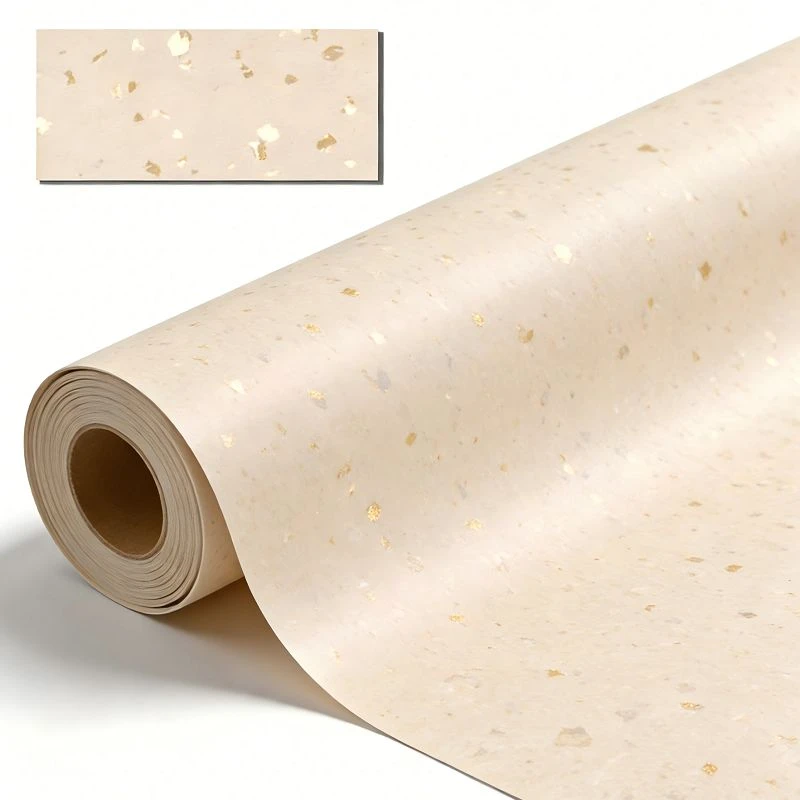
Qingdao Xinkailin Environmental Protection Materials Co., Ltd.
As one of the most professional dance flooring manufacturers and suppliers in China, we’re featured by quality products and good price. Please rest assured to buy premium dance flooring for sale here from our factory. Also, custom service is available.
Address: Room 618, Hedaxinduhui, No. 196 Tailiu Road, Shibei District, Qingdao City
E-mail: laura@xklflooring.com
WebSite: https://www.xklflooring.com/
