Hey guys, let’s cut to the chase – if you’re here, you’re probably shopping for a box truck, maybe running your own small delivery biz, or just trying to figure out what you’re signing up for when you lease or buy one. If your search landed on “how much does a 16 foot box truck weigh,” you’re already past the basic google result phase, and honestly? That’s exactly why we’re writing this. We’re a box truck supplier, not some random auto blog spitting out generic facts – we’ve sold hundreds of these 16 footers over the last 10 years, so this isn’t just textbook stuff. It’s real-world, day-to-day stuff that actually matters when you’re behind the wheel. Box Truck

First off, let’s get the basics out of the way without making your eyes glaze over. A 16 foot box truck’s empty weight – that’s just the truck itself, no cargo, no tools, no driver – usually falls between 10,000 lbs and 14,000 lbs. Wait, that’s a pretty big gap, right? Yeah, and we get why you’re side-eyeing that number. It’s not some random figure we pulled out of thin air. The difference comes down to three big factors that every supplier, every driver, every small biz owner should care about. Let’s break ’em down.
The first factor is what the box is made of. Old school box trucks used steel boxes – they’re tough, can take a beating, great for hauling heavy stuff like construction materials or large appliances. But steel is heavy. A steel 16 foot box alone can weigh 3,500 to 4,000 lbs. Then you add the chassis, engine, fuel, tires, and all that, and you’re looking at the higher end of that empty weight range – like 13,000 to 14,000 lbs. More weight means worse fuel economy, and let’s be real, gas prices are not getting cheaper anytime soon.
The other option, and what most small delivery folks go for these days? Aluminum or composite box. Aluminum is still strong, but it’s way lighter – a 16 foot aluminum box is only 2,500 to 3,000 lbs. That shaves 1,000 lbs right off the empty weight, so your total empty weight drops to 10,000 to 11,500 lbs. Composite is even lighter – it’s a mix of fiberglass and plastic, super durable, resists dents and rust, perfect for local delivery of packages or groceries. A composite box cuts another 500 lbs, so you might see a brand new composite 16 foot truck clocking in at just under 10,000 lbs empty. We sell both, and we always tell folks: if you’re hauling refrigerators or lumber, go steel. If you’re doing Amazon Flex runs or local furniture delivery, aluminum or composite is a no-brainer.
Second big factor: the chassis and engine. A lot of people forget that the box is just the back part – the front half is a regular truck chassis, and that’s where the weight comes from too. Most 16 foot box trucks use medium-duty chassis, usually from brands like Ford, GMC, Isuzu. Isuzu’s NPR series is super popular for 16 footers because their engines are smaller but still powerful enough for city driving, so they’re lighter. A 16 foot Isuzu NPR with an aluminum box weighs around 11,200 lbs empty, which is way better than a Ford F-650-based 16 footer that’s closer to 13,500 lbs. Engine size matters too – if you get a bigger V8 for extra power, that adds a few hundred lbs to the total weight. Pro tip: unless you’re hauling 5,000 lbs of concrete mix, you don’t need a huge engine. You’re just wasting money on gas and carrying unnecessary weight around.
Third factor: optional add-ons. This is where people get tripped up. If you’re not careful, adding a few random things can push your truck’s weight up way more than you expect. A liftgate? That’s a game-changer for loading heavy stuff, but a 1,000 lb hydraulic liftgate adds 1,000 lbs to the empty weight. A side door instead of a rear door for easier loading? Adds another 200 to 300 lbs. A backup camera, which we all know is a must now, is basically negligible, but if you add a bunch of shelving, bins, or a refrigeration unit for food delivery, that’s extra 500 to 1,500 lbs right there. We had a customer last year who ordered a 16 foot aluminum truck for bakery delivery, and he added a $8,000 refrigeration unit – when he brought it in for his first weight check, he realized his total empty weight went up 1,200 lbs, which meant he had less room for cargo. He ended up swapping to a slightly longer 18 foot truck to make up for it. That’s the kind of real mistake we see all the time, so pay attention to add-ons – they’re convenient, but they add weight.
Now, why does this weight number even matter to you? Let’s be honest, no one wants to do math while they’re planning their business. First, weight affects your payload capacity – that’s how much stuff you can actually haul. Payload is just GVWR (Gross Vehicle Weight Rating, the max total weight the truck is legally allowed to be) minus empty weight. So if your 16 foot truck has a GVWR of 26,000 lbs – which is the standard for most medium-duty box trucks – a 13,000 lb empty weight gives you a 13,000 lb payload. But if you’ve got a 10,500 lb empty weight, your payload jumps to 15,500 lbs. That’s a huge difference. One load of appliances could be 10,000 lbs, so a lighter truck means you can fit more, make fewer trips, and make more money.
Then there’s licensing and insurance. In most states, if your GVWR is over 10,000 lbs, you need a commercial driver’s license (CDL) to operate it. Wait, hold on – that’s a big one. A lot of people don’t know that even if your empty weight is 11,000 lbs, if your GVWR is 16,000 lbs, you might not need a CDL. But if your GVWR is 26,000 lbs, you definitely do. So knowing the weight helps you pick a truck you can actually drive, without having to spend $5,000 to get a CDL. We see new delivery drivers all the time who buy a truck without checking the GVWR, and then they’re stuck – don’t be that guy.
Fuel efficiency is another one. Every extra 100 lbs of weight cuts fuel economy by about 1%. So a steel box truck at 13,500 lbs empty gets about 8 mpg city, while an aluminum one at 11,000 lbs gets around 10 mpg. Over the course of a year, if you drive 20,000 miles, that’s a 250 gallon difference at $3.50 a gallon – that’s $875 in your pocket, not the gas company’s. That adds up way faster than you think.
Wait, let’s clear up some common myths too. A lot of people think all 16 foot box trucks are the same weight, but we had a guy come in last month swearing his old 16 foot truck weighed 18,000 lbs. No, that’s way too heavy – that’s basically a small moving truck. The moving companies often use heavier, reinforced boxes for hauling furniture, so their 16 footers are usually in the 13,500 to 14,500 lb range. Also, don’t confuse a 16 foot box truck with a cargo van – a cargo van is way smaller, weighs way less, and can’t carry nearly as much. Our 16 foot box trucks are built for long-haul deliveries or local moves, not just running to the store.
If you’re shopping right now, here’s our quick guide to picking the right 16 foot box truck based on what you’re doing: If you’re a local courier or small delivery, go aluminum box, no extra heavy add-ons – empty weight 10,500 to 11,500 lbs, GVWR 16,000 lbs so no CDL needed, payload around 5,500 lbs, fuel economy 9-10 mpg. If you’re a mover or hauling heavy stuff, go steel box, GVWR 26,000 lbs, empty weight 13,000 to 14,000 lbs, payload 12,000 lbs, but you’ll need a CDL. That’s the sweet spot for most people we work with.
Now, a quick note on maintenance if you already own a 16 foot box truck. Even if you’re not shopping, if you’re curious about weight, keep an eye on your tire pressure and any extra gear you’re adding. A lot of drivers stack old boxes or tools in the back, and over time that extra junk adds weight that you don’t even think about. We had a regular customer who hauled office supplies, and he kept old desk parts in his truck “just in case” – after a year, he realized he was carrying an extra 800 lbs, so his fuel economy dropped 8% just from that. Cleaning out your truck every 6 months is a quick way to save cash.
At the end of the day, the weight of a 16 foot box truck isn’t just a random number on a spec sheet. It’s a number that affects how much you can make, how much you’ll spend on gas, whether you need a CDL, and even how easy your job is. We’ve been supplying box trucks for years, and we’ve helped hundreds of drivers pick the right one based on their specific needs – not just the specs on Google. Whether you’re just starting out and need an affordable, fuel-efficient truck, or you’re expanding your delivery biz and need a heavy-duty option, we’ve got you covered.
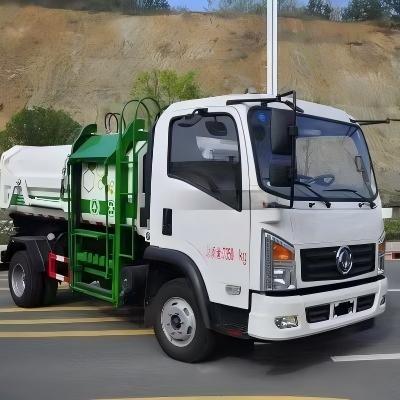
If you’re ready to chat through what you need, no pressure, no sales pitch – just a straight talk about what will work for your business. We can go over the weight options, payload, GVWR, whatever you need to know to make the right call. Reach out to us to set up a time to talk, check out inventory, or even take one for a test drive so you can feel the difference in weight for yourself. We’re here to help you get on the road with the right truck, no headaches.
Landing Gear References
- National Highway Traffic Safety Administration. (2022). Medium Duty Commercial Vehicle Weight Specifications.
- Trucking Solutions Group. (2023). Box Truck Empty Weight Variations by Body Material.
- American Trucking Associations. (2023). Fuel Efficiency Impacts of Vehicle Weight for Delivery Fleets.
- Federal Motor Carrier Safety Administration. (2022). CDL Requirements for Commercial Vehicles Under 26,000 lbs GVWR.
Owin Vehicles Co., Ltd.
As one of the most professional box truck manufacturers and suppliers in China, we also support customized service. With abundant experience, we warmly welcome you to wholesale advanced box truck for sale here from our factory. Quality products and low price are available.
Address: Room 2428, Building 3, Aosheng Building, Licheng District, Jinan City, Shandong Province
E-mail: Owinvehicle@163.com
WebSite: https://www.owintrailer.com/
