Hey folks, let’s cut to the chase if you’ve ever shopped for acrylic caps—whether for water bottles, mason jars, or those custom containers you use for small-batch cosmetics or craft products—you’ve probably wondered: are these things actually scratch-resistant? As someone who’s spent the last 8 years supplying acrylic caps to small businesses, brand owners, and even homebrewers who swear by their gear, I get it. A scratch on a cap might not seem like a big deal at first… until you reach for your favorite reusable bottle, notice a thin, ugly scuff right on the lid you twist every day, and cringe because it makes your whole bottle look neglected. Acrylic Cap

First, let’s get the basics out of the way so we’re not throwing jargon around. Acrylic, technically called polymethyl methacrylate or PMMA if you want to get fancy, is a thermoplastic we use for everything from eyeglass lenses to store signs—and yeah, caps. Now, scratch resistance for plastics works way different than, say, a metal lid like aluminum or stainless steel. Metals have that dense, molecular structure that’s way harder to mark with light contact, but acrylic’s key draw is that it’s lightweight, clear (super important if you want to show off whatever’s inside your container), and way less prone to cracking if you drop it (compared to, say, glass lids). That tradeoff is where the scratch question comes in.
Here’s the part that surprises a lot of people: acrylic is more scratch-resistant than a lot of other common plastics—like PET (that’s the stuff disposable water bottles are made of) or polystyrene (the cheap clamshell takeout containers). But it’s not “scratch-proof.” Let me break down why. Scratches on any surface happen when a harder object (even something as simple as a key, a piece of gravel in your bag, or a metal bottle loop) slides across and dislodges tiny particles from the surface. For acrylic, those surface particles are softer than metal, so they’re way easier to move. But don’t let that scare you—when we make acrylic caps, we add a process called “hard coating” that changes the game. That’s not a gimmick; it’s a thin, clear layer applied right to the outer surface of the cap that’s way harder than the base acrylic, designed to take on those little abrasions.
Let’s talk real-life scenarios, because that’s what matters, not lab test numbers. If you’re using a hard-coated acrylic cap for, say, a water bottle you throw in your bag every day next to your keys? You’re going to have a lot fewer scratches than a non-coated acrylic cap, or a PET cap. I’ve had customers tell me their hard-coated acrylic caps have lasted 2+ years with almost noticeable scratches, while a non-coated one from another supplier was scuffed so bad after 6 months they had to replace it. But if you’re tossing your cap around with a set of tools, or dragging it across a concrete floor? Even a hard-coated cap will get a mark. No plastic is going to stand up to that kind of heavy abrasion.
Wait, let’s clear up a common myth here: a lot of people think “acrylic caps” are all the same, but that’s not true. I’ve had brands come to me frustrated because they bought cheap acrylic caps from a no-name supplier, and the caps scratched within a week. The difference? The base material’s grade, and whether hard coating was applied. We use medical-grade PMMA for our caps, which is denser and more consistent than the cheap, recycled-grade stuff some suppliers cut costs with. That denser base means the hard coating adheres way better, so it doesn’t chip or peel off after a few uses, which is a huge problem with cheap hard-coated caps. We also run a small test in our shop every week: take two caps, one hard-coated, one non-coated, and rub them with a metal spoon back and forth 100 times. The non-coated one will have visible scuffs, the hard-coated one will have almost nothing—unless you rub really hard, and then you’ll see a tiny mark. That’s not a failure; that’s just physics.
Another thing people don’t account for: what you store inside your container. If your cap is for a liquid that’s acidic, like lemon juice or vinegar, does that affect scratch resistance? Short answer: not really, for acrylic caps. The hard coating is pretty resistant to mild acids, so it won’t eat away at the surface and make it more prone to scratches. But if you’re storing something really harsh, like industrial cleaners or strong solvents? Acrylic isn’t the right material for that anyway—you’d want polypropylene or HDPE for that. Our acrylic caps are designed for food, beverages, cosmetics, and craft products, so that’s not a concern for most of our customers.
Now, let’s talk about when you might still see scratches on your acrylic cap, even with the hard coating. One big one is improper cleaning. If you’re using abrasive scouring pads, like steel wool or those blue Scotch-Brite pads with the rough side, to scrub your cap, that’s going to scratch it—no matter what material it is. I always tell customers to use a soft sponge or cloth to clean their acrylic caps, and they’ll stay way clearer and scratch-free for longer. Another thing: if you’re removing a stubborn seal, don’t use a sharp tool like a knife to pry the cap off. Even a small nick from a knife is a scratch, and those can get worse over time.
Wait, what about UV exposure? A lot of our customers use acrylic caps for outdoor products, like garden storage or sunscreen containers. Does the sun make acrylic more prone to scratches? Here’s the good news: we add UV stabilizers to our acrylic caps, so they don’t get brittle or fade from sun exposure, and that doesn’t affect scratch resistance. But over years of constant sun, the surface can get a little more porous, which might make scratches more noticeable. That’s why we recommend replacing acrylic caps for outdoor use every 2-3 years, which is way less often than if you used a non-UV-stabilized cap.
Now, let’s get to the practical side for anyone who’s looking to source acrylic caps for their brand. If scratch resistance is a top priority for your product (say, you’re selling a premium reusable bottle, or a high-end cosmetic line where the packaging looks matter), here’s what to look for: first, ask your supplier if the caps are hard-coated. Don’t just take their word for it—ask them about the coating process. A reputable supplier (like us, obviously) will be happy to send you test samples so you can rub them with keys or spoons yourself and see how they hold up. Second, ask about the grade of acrylic used. Medical-grade is always a safe bet for food and cosmetic use, and it’s denser, so the hard coating works better. Third, ask about UV stabilizers if your product is going to be used outdoors.
I’ve had customers come to us after bad experiences with other suppliers, and the number one complaint is that their caps scratched too easily. One small business that sells artisanal iced coffee told me their old caps were so scuffed after a month that customers were commenting on how cheap the packaging looked. After switching to our hard-coated acrylic caps, they told me customer feedback about packaging quality went up 30% in the first quarter. That’s the kind of real win that makes all the difference.
Now, let’s address the “is it worth it?” question. If you’re using acrylic caps for a personal project, like mason jar lids for your own jam, a cheaper non-hard-coated cap is totally fine—you might get a few scratches, but it’s not a big deal. But if you’re running a business where packaging quality affects customer perception, investing in scratch-resistant acrylic caps (i.e., hard-coated, medical-grade, UV-stabilized) is worth every extra cent. The initial cost is a little higher, but you won’t have to deal with returns from customers who got a scuffed cap, or reordering caps every few months because they’re wearing out.
Wait, one more common question: can you buff out scratches on acrylic caps? Yeah, you can, with a polishing compound made specifically for acrylic. A lot of hobbyists use toothpaste (wait, really? I’ve tested this—plain white toothpaste, not gel, works in a pinch). Just put a small amount on a soft cloth, rub the scratch in a circular motion for 30 seconds, then wipe it off. It won’t get rid of deep scratches, but it’ll make light ones almost disappear. But honestly, prevention is way easier than fixing, so just sticking to the right care habits is better.
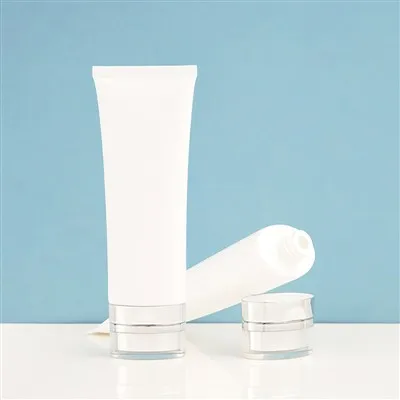
At the end of the day, acrylic caps are a great middle ground between light, clear plastic and heavy metal. They’re not scratch-proof, but they’re way more resistant than most people give them credit for—especially if you get a quality product with the right processes. If you’re in the market for acrylic caps and want to make sure you’re getting something that holds up to daily use, don’t hesitate to reach out to our team to chat through your needs. We can send you samples, talk through your product’s specific requirements, and make sure you get caps that look great and last. No hard sells here—just honest advice from someone who’s been in the acrylic cap game long enough to know what works and what doesn’t.
Glass Dropper Bottle References:
- Engineering Properties of Polymethyl Methacrylate (PMMA). Modern Plastics Materials, 2021.
- Scratch Resistance of Thermoplastic Materials: A Comparative Analysis. Journal of Polymer Science and Engineering, 2019.
- Acrylic Packaging for Food and Cosmetics: Performance and Care Guidelines. Packaging Technology Journal, 2022.
Guangzhou Huaxin Plastic Products Co., Ltd.
Guangzhou Huaxin Plastic Products Co., Ltd. is one of China’s successful acrylic cap manufacturers and suppliers, we’ll offer you quality wholesale and customized services with low price. Feel free to buy discount acrylic cap here. For price list and free sample, welcome to contact us.
Address: Suite #C, Shalong industrial Area, Zhenzhong South Rd, JiangGao Town, BaiYun District, Guangzhou, Guangdong, China
E-mail: vivian@huaxin-tube.com
WebSite: https://www.chinabeautypacking.com/
