Yo, folks! I’m here as a supplier of industrial reactors, and in this blog, I’m gonna share some crucial tips on how to maintain an industrial reactor. Whether you’re a newbie in the industry or a seasoned pro, keeping your reactor in top – notch condition is key to smooth operations and long – term success. Industrial Reactor
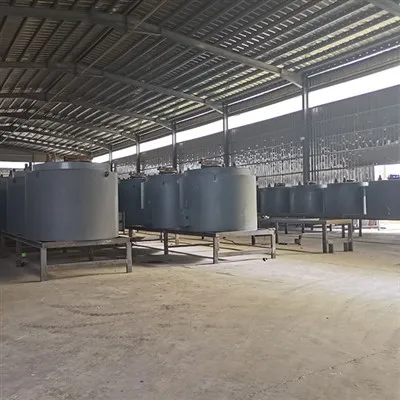
Let’s start with the basics. An industrial reactor is a workhorse in many chemical and manufacturing processes. It’s where all the chemical reactions happen, turning raw materials into valuable products. But like any piece of heavy – duty equipment, it needs regular care and attention.
Regular Inspections
First off, regular inspections are a must. You can’t just set it and forget it. You need to have a schedule for checking the reactor’s components. Look at the vessel walls. Over time, corrosion and erosion can take a toll on them. Corrosion happens when the metal reacts with the chemicals inside the reactor or the environment. Erosion is caused by the flow of fluids and particles wearing away the surface.
Use non – destructive testing methods like ultrasonic testing, radiography, or magnetic particle inspection to detect any hidden flaws in the vessel. These tests can find cracks or thinning of the walls that might not be visible to the naked eye. And don’t forget to check the gaskets and seals. Leaky gaskets can lead to product loss, safety hazards, and even environmental issues. Replace any worn – out gaskets as soon as possible.
The agitator is another critical part of the reactor. It ensures proper mixing of the reactants. Inspect the agitator blades for damage or wear. Bent or damaged blades won’t mix the contents effectively, which can impact the quality of your product. Check the shaft for alignment and lubrication. A misaligned shaft can cause excessive vibration and premature wear on the bearings.
Cleaning Procedures
Cleaning the reactor is super important. After each batch, there are often residues left inside the vessel. These residues can build up over time and affect the next reaction. They might contain catalysts, reactants, or by – products that could interfere with future processes.
Start by draining all the liquids from the reactor. Then, use an appropriate cleaning solution. The choice of cleaning solution depends on the type of chemicals used in the reactor. Some chemicals require a mild detergent, while others might need a more aggressive solvent. Make sure to follow the safety guidelines when handling these cleaning agents.
Once you’ve filled the reactor with the cleaning solution, run the agitator for a while to ensure thorough cleaning. Then, drain the cleaning solution and rinse the reactor with water multiple times. You might also want to use steam cleaning for a more in – depth clean. Steam can reach areas that liquid cleaning solutions might miss and can also help in killing any bacteria or microbes.
Temperature and Pressure Control
Maintaining the right temperature and pressure inside the reactor is crucial for both the reaction and the safety of the equipment. Most industrial reactions are very sensitive to temperature. If the temperature is too high, it can lead to unwanted side reactions, product degradation, or even an explosion in extreme cases. If it’s too low, the reaction might not proceed at all or at a very slow rate.
Use reliable temperature sensors and control systems to monitor and adjust the temperature. Many modern reactors come with automated temperature control systems that can maintain a set temperature within a very narrow range.
Pressure is equally important. Excessive pressure can cause the vessel to rupture, which is a huge safety risk. You need to have pressure relief valves installed. These valves are designed to open when the pressure inside the reactor exceeds a certain limit, releasing the excess pressure and preventing a catastrophic failure.
Maintenance of Instrumentation
The instrumentation in an industrial reactor plays a vital role in its operation. Sensors for temperature, pressure, level, and flow are constantly collecting data. This data is used to control the process and ensure that everything is working as it should.
Regularly calibrate these sensors. Over time, sensors can drift, giving inaccurate readings. Calibration ensures that the readings are correct and that you can make informed decisions based on the data. Replace any faulty sensors immediately.
The control systems that use the data from these sensors also need maintenance. Software updates might be required to improve performance and security. Make sure to test the control systems regularly to ensure that they respond correctly to changes in the reactor conditions.
Training the Operators
No amount of maintenance procedures will work if the operators don’t know what they’re doing. Provide comprehensive training to your operators. They should understand how the reactor works, how to operate it safely, and what to do in case of an emergency.
Training should cover topics like start – up and shut – down procedures, normal operation, and troubleshooting. Operators should be able to recognize the signs of a problem, such as abnormal temperature or pressure readings, and take appropriate action.
Encourage the operators to report any issues they notice during their daily operations. They are the ones on the front line, and their observations can be invaluable in preventing major problems.
Chemical Compatibility
When using an industrial reactor, you need to be very careful about the chemical compatibility of the materials in the reactor with the chemicals you’re using. Different chemicals can react differently with the metal, rubber, or plastic components of the reactor.
For example, some strong acids can corrode certain types of metals very quickly. You need to choose the right materials for the reactor walls, gaskets, and other components based on the chemicals you’ll be using. If you’re planning to change the chemicals in the reactor, make sure to check the compatibility first. Otherwise, you could end up with a damaged reactor or a failed reaction.
Record – Keeping
Keep detailed records of all the maintenance activities, inspections, repairs, and any changes in the reactor’s operation. These records can be helpful in many ways. First, they can help you identify trends in the reactor’s performance. If you notice that a particular component is failing more frequently, you can take proactive measures to address the issue.
Second, in case of an accident or a regulatory inspection, these records can prove that you’ve been maintaining the reactor properly. They can also help you calculate the total cost of ownership of the reactor over its lifetime.
In conclusion, maintaining an industrial reactor is no easy task, but it’s essential for the success of your chemical processes. By following these tips on regular inspections, cleaning, temperature and pressure control, maintenance of instrumentation, operator training, chemical compatibility, and record – keeping, you can ensure that your reactor runs smoothly and efficiently for a long time.

If you’re looking for a high – quality industrial reactor or need more advice on maintenance, don’t hesitate to reach out. We’re here to help you make the most of your investment. Get in touch with us to start a conversation about your specific needs and how we can assist you.
PMMA Exhaust Gas Treatment Equipment References
- "Chemical Reaction Engineering" by Octave Levenspiel
- "Plant Engineer’s Handbook"
- Various industry – specific technical bulletins on industrial reactor maintenance
Wuxi Quansheng Industrial Equipment Co., Ltd.
As one of the most professional industrial reactor manufacturers and suppliers in China, we have world-leading production equipment and strong manufacturing capabilities. Welcome to buy high quality industrial reactor for sale here from our factory. For price consultation, contact us.
Address: No.10, Fulaiqiao Road, Hudai Town, Binhu District, Wuxi City, Jiangsu Province, China
E-mail: 397293586@qq.com
WebSite: https://www.pmmatech.com/
