Hey there! I’m a supplier in the building wire business, and today I wanna talk about the temperature rating of building wire. It’s a topic that might not sound super exciting at first, but trust me, it’s crucial when it comes to choosing the right wire for your building projects. Building Wire
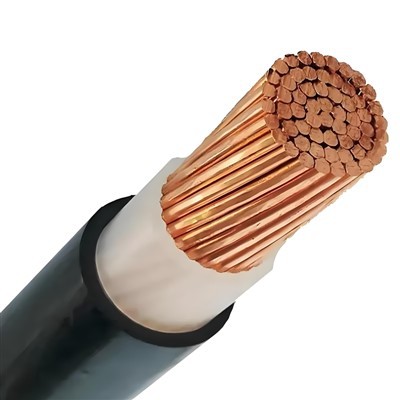
So, what exactly is the temperature rating of building wire? Simply put, it’s the maximum temperature at which the wire can operate safely and effectively over a long period. You see, wires heat up when they carry an electric current. That’s just basic physics. The more current flowing through the wire, the more heat it generates. And if the wire gets too hot, it can cause all sorts of problems, from damaging the insulation to starting a fire.
There are several factors that determine a wire’s temperature rating. One of the main ones is the type of insulation used. Different insulation materials have different heat – resistant properties. For example, PVC (polyvinyl chloride) is a common insulation material for building wire. It’s relatively inexpensive and offers decent insulation, but its temperature rating is usually around 60°C – 75°C. That means if the wire exceeds this temperature, the PVC insulation can start to degrade, become brittle, and lose its insulating properties.
On the other hand, there are wires with more advanced insulation materials. For instance, cross – linked polyethylene (XLPE) is a high – performance insulation. Wires with XLPE insulation can often handle temperatures up to 90°C or even higher. This makes them suitable for applications where the wire is likely to get hot, such as in large electrical panels or in industrial settings where there’s a lot of current flow.
Another factor that affects the temperature rating is the wire’s size. Generally, larger – gauge wires can handle more current and generate less heat than smaller – gauge wires. This is because they have less resistance. Resistance in a wire is what causes it to heat up when current flows through it. So, if you have a high – demand electrical circuit, you’ll want to use a larger wire size to keep the temperature down.
Now, why does all this matter? Well, if you choose a wire with a temperature rating that’s too low for the application, you’re asking for trouble. Let’s say you’re installing a wire in a room where there are a lot of heat – generating appliances, like a kitchen. If you use a wire with a 60°C rating and the actual temperature in the area reaches 70°C, the insulation will start to break down. Over time, this can lead to short circuits, electrical failures, and even pose a fire hazard.
On the flip side, if you use a wire with a much higher temperature rating than necessary, you might be spending more money than you need to. For example, if you’re wiring a small, low – power room like a closet, there’s no need to use a high – end, 90°C rated wire. A standard 60°C rated wire will do just fine and save you some cash.
As a building wire supplier, I get a lot of questions from customers about temperature ratings. Some are worried about safety, which is completely understandable. Others are more concerned about cost – effectiveness. And that’s where my expertise comes in. I can help you figure out the right temperature rating for your specific project.
Let’s take a look at some common applications and the appropriate temperature ratings for them. In residential wiring, most of the time, a 60°C or 75°C rated wire is sufficient. For general lighting circuits and small electrical outlets, these ratings can handle the typical load without any issues. However, if you’re installing a large electric oven or a high – power air conditioner, you might want to consider a wire with a 90°C rating. These appliances draw a lot of current and can generate a significant amount of heat.
In commercial buildings, the requirements are often more stringent. Areas with a high concentration of electrical equipment, such as server rooms or data centers, typically require wires with a 90°C or higher temperature rating. These rooms have a lot of computers and servers running constantly, which put a heavy load on the electrical system. Using a wire with a lower temperature rating in these areas could lead to frequent electrical problems and costly downtime.
Industrial settings are another story. Factories, manufacturing plants, and refineries often have extreme temperature conditions and high – power electrical equipment. In these environments, wires with temperature ratings of 90°C or even higher are a must. Some specialized industrial applications might require wires with ratings up to 150°C or more. These wires are designed to withstand the harsh conditions and high current loads found in industrial operations.
When it comes to installing building wire, it’s also important to consider the ambient temperature. The ambient temperature is the temperature of the surrounding environment. If the wire is installed in a hot area, like an attic on a summer day or near a furnace, the maximum allowable current capacity of the wire will be lower. That’s because the heat from the environment adds to the heat generated by the wire itself. So, even if you have a wire with a high temperature rating, you need to take the ambient temperature into account to ensure safe operation.
As a building wire supplier, I can provide you with all the information you need to make the right choice. I have a wide range of building wires with different temperature ratings, insulation materials, and sizes. Whether you’re a contractor working on a large commercial project or a homeowner doing some DIY wiring, I’ve got the products to meet your needs.
If you’re still not sure which temperature rating is best for your project, don’t worry. My team of experts is here to help. We can answer all your questions, provide technical support, and even offer on – site consultations if needed. We pride ourselves on providing high – quality products and excellent customer service.
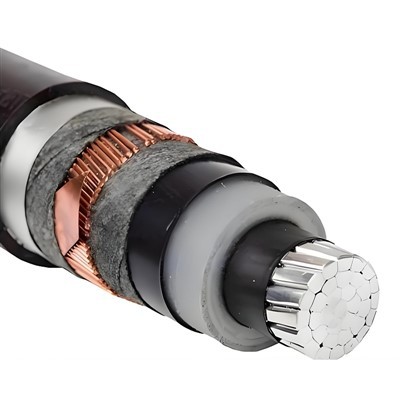
So, if you’re in the market for building wire and want to make sure you’re getting the right temperature rating for your application, get in touch with me. Let’s have a chat about your project, and I’ll help you find the perfect wire solution. Whether it’s a simple residential wiring job or a complex industrial installation, I’m here to make the process as easy and stress – free as possible.
Cable References:
- National Electrical Code (NEC)
- Electrical Wiring Handbook
- Insulation Materials Manufacturer’s Specifications
Hebei Liangyu Cable Co., Ltd.
We’re well-known as one of the leading building wire manufacturers and suppliers in China, specialized in providing high quality customized service. We warmly welcome you to buy durable building wire made in China here and get pricelist from our factory. For price consultation, contact us.
Address: Yanbai Industrial Zone, Jiajiakou Town, Ningjin County, Xingtai City, Hebei Province
E-mail: 18932990441@163.com
WebSite: https://www.liangyucable.com/
