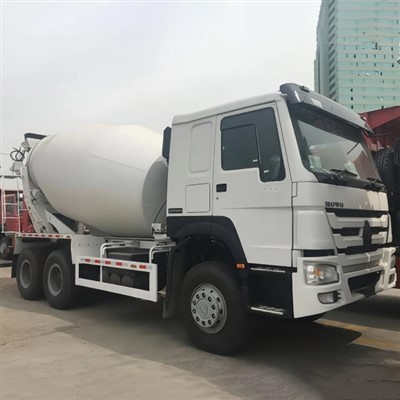
Hey there! I’m a supplier of cement mixer trucks, and I know firsthand how much of a headache the noise from these beasts can be. Whether you’re on a busy construction site or just passing by one, that constant rumbling and clanging can really get on your nerves. Not to mention, excessive noise can also lead to some serious health issues for the operators and people in the surrounding area. So, in this blog post, I’m gonna share some tips on how you can reduce the noise of a cement mixer truck. Cement Mixer Truck
Understanding the Sources of Noise
Before we dive into the solutions, let’s first take a quick look at where all that noise is coming from. There are a few main culprits when it comes to cement mixer truck noise:
- Engine Noise: The engine is one of the biggest sources of noise in a cement mixer truck. As the engine runs, it produces vibrations and exhaust noise that can be pretty loud.
- Mixing Drum Noise: The mixing drum is another major source of noise. As the drum rotates, the cement and other materials inside it create a lot of noise and vibration.
- Hydraulic System Noise: The hydraulic system that powers the mixing drum and other components of the truck can also be a source of noise. The pumps, valves, and hoses in the hydraulic system can all produce noise as they operate.
- Tire Noise: The tires on a cement mixer truck can also contribute to the overall noise level. As the tires roll on the road, they create a lot of noise, especially at high speeds.
Tips for Reducing Noise
Now that we know where the noise is coming from, let’s take a look at some tips on how you can reduce it:
1. Use Noise-Reducing Materials
One of the easiest ways to reduce the noise of a cement mixer truck is to use noise-reducing materials. There are a few different types of materials that you can use, including:
- Soundproofing Foam: Soundproofing foam is a great way to reduce the noise of the engine and other components of the truck. You can install soundproofing foam on the walls of the engine compartment, the mixing drum, and other areas of the truck to absorb the noise.
- Rubber Mats: Rubber mats can also be used to reduce the noise of the mixing drum. You can install rubber mats on the inside of the mixing drum to absorb the noise and vibration created by the cement and other materials.
- Noise-Reducing Exhaust Systems: A noise-reducing exhaust system can also help to reduce the noise of the engine. You can install a muffler or other noise-reducing device on the exhaust system to quiet the engine.
2. Maintain Your Truck Regularly
Regular maintenance is another important factor in reducing the noise of a cement mixer truck. By keeping your truck in good condition, you can prevent problems that can cause excessive noise. Here are a few maintenance tips to keep in mind:
- Change the Oil and Filters: Changing the oil and filters regularly can help to keep the engine running smoothly and reduce the noise.
- Check the Tires: Make sure the tires are properly inflated and have enough tread. Worn or underinflated tires can create more noise as they roll on the road.
- Lubricate the Moving Parts: Lubricating the moving parts of the truck, such as the mixing drum and the hydraulic system, can help to reduce the noise and wear.
- Inspect the Exhaust System: Check the exhaust system for leaks or damage. A leaky exhaust system can create a lot of noise and reduce the performance of the engine.
3. Adjust the Mixing Drum Speed
The speed at which the mixing drum rotates can also affect the noise level. By adjusting the mixing drum speed, you can reduce the noise and vibration created by the cement and other materials. Here are a few tips on how to adjust the mixing drum speed:
- Use a Variable Speed Drive: A variable speed drive allows you to adjust the speed of the mixing drum based on the amount of cement and other materials in the drum. This can help to reduce the noise and vibration created by the drum.
- Reduce the Speed During Loading and Unloading: When loading or unloading the cement, reduce the speed of the mixing drum to reduce the noise and vibration.
- Use a Low-Speed Mixing Mode: Some cement mixer trucks have a low-speed mixing mode that can be used to reduce the noise and vibration during the mixing process.
4. Install Noise Barriers
If you’re working on a construction site or in a residential area, you may want to consider installing noise barriers around the cement mixer truck. Noise barriers can help to block the noise and protect the people in the surrounding area. Here are a few tips on how to install noise barriers:
- Choose the Right Type of Noise Barrier: There are a few different types of noise barriers available, including acoustic panels, sound blankets, and noise curtains. Choose the type of noise barrier that is best suited for your needs and budget.
- Install the Noise Barrier Properly: Make sure the noise barrier is installed properly and securely. It should be tall enough to block the noise and wide enough to cover the entire area around the cement mixer truck.
- Maintain the Noise Barrier: Regularly inspect the noise barrier for damage or wear. Replace any damaged or worn parts as needed to ensure that the noise barrier is working effectively.
5. Train Your Operators
Finally, it’s important to train your operators on how to operate the cement mixer truck in a way that reduces the noise. Here are a few tips on how to train your operators:
- Teach Them to Use the Right Techniques: Teach your operators to use the right techniques when loading, unloading, and mixing the cement. This can help to reduce the noise and vibration created by the truck.
- Encourage Them to Maintain the Truck: Encourage your operators to maintain the truck regularly and to report any problems or issues immediately. This can help to prevent problems that can cause excessive noise.
- Provide Them with Ear Protection: Provide your operators with ear protection, such as earplugs or earmuffs, to protect their hearing from the noise.
Conclusion

Reducing the noise of a cement mixer truck is not only important for the comfort of the operators and people in the surrounding area, but it’s also important for the health and safety of everyone involved. By using noise-reducing materials, maintaining your truck regularly, adjusting the mixing drum speed, installing noise barriers, and training your operators, you can significantly reduce the noise of your cement mixer truck.
Concrete Mixer Truck If you’re interested in learning more about how to reduce the noise of your cement mixer truck or if you’re looking to purchase a new cement mixer truck, please don’t hesitate to contact us. We’re here to help you find the right solution for your needs.
References
- "Noise Control in Construction Equipment." Construction Equipment Guide.
- "How to Reduce Noise Pollution from Heavy Equipment." Heavy Equipment Guide.
- "The Effects of Noise on Human Health." World Health Organization.
Shandong Fuxin Automobile Technology Co., Ltd.
We’re well-known as one of the leading cement mixer truck manufacturers and suppliers in China, featured by quality products and good price. Please rest assured to buy advanced cement mixer truck made in China here from our factory. Contact us for more details.
Address: West of Nanshou Road, Beihai Road, Weifang City, Shandong Province
E-mail: h17616861003@gmail.com
WebSite: https://www.fuxinautomobile.com/
