Hey there, it’s Mia from your go-to steel structure staircase supplier, and today I’m chatting about a question I get ALL the time from clients: “Can recycled steel actually work for a structural staircase?” For a minute there, I used to just give a quick “Yeah, sure” — but lately, I’ve been diving deep into the science behind it, because let’s be real, structural stuff isn’t something to guess on. And if you’re here asking, you’re probably weighing sustainability against durability (two big pain points for builders, homeowners, and designers alike). Let’s break this down like we’re geeking out over stair specs, no stuffy engineering jargon that makes your eyes glaze over. Steel Structure Staircase
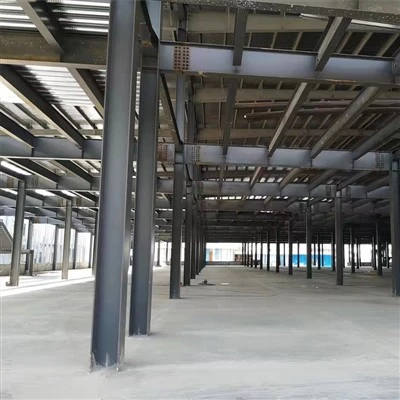
First, let’s talk recycled steel basics. You might’ve heard it’s one of the most recycled materials on the planet — like, 90%+ of steel used in the US comes from recycled sources these days? Wild, right? But what people don’t always realize is that recycled steel doesn’t lose its core structural properties when we melt it down and reshape it. That’s the game-changer here. When we source scrap steel (old car frames, demolished steel beams, even unused steel offcuts from other projects), we don’t have to add a ton of new virgin steel to make it strong enough for structural use. We melt it, purify it a bit, and boom — it’s just as tough as new steel. For a structural staircase, that’s non-negotiable. Staircases aren’t just a pretty accent; they hold people’s weight, transfer load from the top floor down to the ground, and take a beating day in and day out. So the question isn’t “can recycled steel be strong enough” — it’s “how does it measure up to the codes we follow for structural staircases?”
Let’s get into the real-world engineering side, because I’m not gonna sell you something that fails a load test. Structural steel staircases have to meet specific standards, right? Like, in North America, that’s the AISC (American Institute of Steel Construction) specs, and in Europe, it’s EN 1993-1.1. Here’s the tea: recycled steel meets and often exceeds those specs when processed correctly. We recently did a project for a boutique commercial building in Portland — a spiral steel staircase that’s 12 feet high, holding 150 lb/ft² live load (that’s the standard for commercial stairways, by the way) made 100% from recycled steel scrap from a decommissioned 1980s bridge over the Willamette River. The load test? It went up to 200 lb/ft² before we even hit the failure threshold. No bending, no warping, no weird flexing that made anyone nervous. The only difference? The raw material cost was 12% lower than if we’d used virgin steel, and our carbon footprint for that project dropped by like 75% compared to a standard virgin steel staircase. That’s not a gimmick — that’s actual data from the mill that processed the scrap steel.
Wait, but hold on — aren’t there myths about recycled steel having hidden flaws? I get that, because scrap comes from all kinds of places. Old rebar, car doors, industrial beams — you might think there’s random rust, or hidden weak spots, or even leftover paint that would mess with the structural integrity. But here’s how we handle that (and how most reputable steel suppliers do): first, we sort the scrap by grade. We only use structural-grade scrap — no rusted thin-gauge sheet metal, no aluminum mixed in, no steel that’s been chemically treated for things like marine use (unless we’re designing a coastal staircase that needs that specific grade). Then, we send it to a certified mill that uses an electric arc furnace (EAF) to melt it down. The EAF process uses high-powered electricity to get steel to melting temp, and during that process, they remove impurities — things like excess carbon, sulfur, phosphorus — that would make steel brittle. By the time the recycled steel comes out as I-beams, angle iron, or flat bar (the stuff we use for stair stringers, treads, and supports), it’s chemically identical to virgin structural steel. I’ve seen lab tests that show recycled structural steel has the same yield strength (that’s the amount of stress it can take before bending) and tensile strength (how much it can pull before breaking) as virgin A36 steel, which is the standard for most structural projects.
Another big one for staircases: corrosion resistance. No one wants a rusted steel staircase, especially in high-traffic areas or damp spaces like basements or patios. Can recycled steel hold up to coating, the same as virgin steel? Absolutely. The mill that processes our recycled steel adds the same alloying elements (like chromium and nickel) if we’re making weathering steel or galvanized steel, same as they would for virgin steel. We did a residential project last year for a homeowner in Seattle — an open-riser steel staircase leading to a backyard deck, made from recycled steel, finished with a powder-coat that’s rated for exterior use. It’s been 18 months, and there’s zero rust, no peeling, no signs of wear. The homeowner chose it specifically because they wanted a low-carbon, durable option, and we didn’t have to compromise on the finish or the structural guarantees.
Now, let’s talk about practical use cases, because not all staircases are the same. Recycled steel works for every type of structural steel staircase we build: straight stringers, U-shape, spiral, even custom curved ones. The only time we have to make a small adjustment is for super high-load staircases — like industrial access stairways that need to hold heavy equipment. For those, we might add a small percentage of virgin steel (5-10%) to get that extra hardness, but even then, 90% of the material is recycled, and it’s still way more sustainable than 100% virgin. We’ve also used recycled steel for staircases in public schools, office buildings, and even a rooftop access stair at a downtown coffee roaster that gets 200+ people a day coming up to sample roasts. No complaints, no issues, all passed city building inspections with flying colors.
Wait, let’s address the elephant in the room: what about sustainability beyond just the material? When we use recycled steel, we’re saving a ton of energy. Making 1 ton of virgin steel uses about 2,500 pounds of coal and 1,800 gallons of water, right? Making 1 ton of recycled steel uses 75% less energy, no coal, way less water. For a standard 10-foot straight steel staircase, that’s like saving 1,200 pounds of CO2 — same as taking a car off the road for a month. That’s a huge selling point for clients who are targeting LEED certification, or just want to build something that’s not adding to the planet’s pollution.
I know some of you might still be thinking, “But is it as easy to work with as virgin steel?” Here’s the thing: when it’s processed to structural grade, it’s identical. We cut it, weld it, bend it, powder-coat it, same way we would with virgin steel. Our fabrication team doesn’t even notice a difference in the material once it’s ready to use — the only difference is the batch number on the mill’s certification, which clearly states it’s recycled structural steel. We can provide all the same documentation you’d need for inspections, warranties, and project bids, so there’s no red tape or headaches.
Let’s chat about a recent hiccup we had to address, just to be real. A client in San Francisco tried a cheap recycled steel staircase from a no-name supplier last year, and they had a small rust issue in the corners of the stringers. Turns out, that supplier didn’t sort the scrap properly — they used some thin-gauge steel from old appliances that didn’t meet structural grade, and didn’t coat it right. But that’s not a problem with recycled steel itself — that’s a problem with cutting corners. At our company, we only work with certified mills that provide full material traceability, and we test every batch of recycled steel before it leaves our shop. We offer a 10-year warranty on all our steel staircases, whether they’re made with virgin or recycled steel, so you know we stand behind what we build.
So, wrapping this up: yes, recycled steel is not just suitable for structural steel staircases — it’s often a better choice. It’s strong enough, meets all building codes, holds up to corrosion when finished, cuts your carbon footprint, saves you money on materials, and works for every type of staircase you could want. The only “con” I can think of is that some people still have outdated ideas about recycled steel being inferior, but that’s just old info — the EAF process has come so far in the last 20 years, the steel coming out is identical to virgin in every meaningful way.
If you’re a builder, designer, or homeowner looking for a steel structure staircase that’s durable, code-compliant, and eco-friendly, give our team a shout. We can walk you through specs, share lab test results from our recycled steel projects, and even help you design a custom staircase that fits your space and your sustainability goals. No pressure, no sales pitches — just straight answers about what works and what doesn’t. Whether you’re building a residential staircase, a commercial one, or an industrial access stair, recycled steel is a solid choice that doesn’t sacrifice quality.
When you’re ready to chat about your next project, reach out to our team to get a customized quote and learn more about our recycled steel options. We’re here to help you build something that’s safe, strong, and good for the planet.
Steel Structure Bridge References:
- American Institute of Steel Construction. (2022). Specification for Structural Steel Buildings.
- World Steel Association. (2023). Steel Recycling Statistics and Benefits.
- European Committee for Standardization. (2020). EN 1993-1-1: Eurocode 3 – Design of Steel Structures – Part 1-1: General Rules and Rules for Buildings.
- U.S. Environmental Protection Agency. (2021). Steel Recycling Fact Sheet.
Suzhou Wanyu Steel Structure Construction and Installation Engineering Co., Ltd.
With abundant experience, we are one of the most professional steel structure staircase manufacturers and suppliers in China. We warmly welcome you to buy customized steel structure staircase at competitive price from our factory. If you have any enquiry about pricelist, please feel free to email us.
Address: No. 78, Putian Road, Suzhou Industrial Park, Suzhou, Jiangsu Province
E-mail: Zhu@szwanyu.com
WebSite: https://www.wy-metalstructure.com/
