Hey there, if you’ve ever watched a screen printer work their magic, you’ve probably noticed them grabbing a weirdly labeled bottle mid-job—maybe something that looks a little sketchy, like it’s straight out of a high school chem lab. I’m the guy on the other end of that supplier counter, the one who drives 2 hours in a beat-up pickup to drop off stuff people actually take for granted: pretreatment auxiliaries. Let me tell you, if you’re still skipping these for your print runs, you’re leaving serious money on the table, and probably dealing with way more headaches than you need to. Pretreatment Auxiliaries
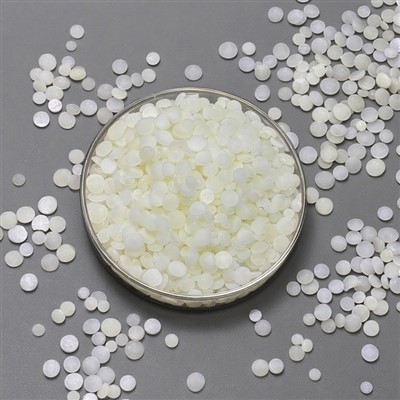
First off, let’s get one thing straight—pretreatment auxiliaries aren’t just some random “extra” we salespeople push to pad orders. They’re the unsung backbone of a good print, especially if you’re working with fabrics that aren’t plain white cotton. Let’s start with the big one: adhesion. I’ve heard so many printers say, “Ugh, that print keeps peeling off after two washes!” or “Half the design rubs off on the first wear.” That’s not the ink’s fault—9 times out of 10, it’s that they skipped prepping the fabric properly, or they used a garbage pretreatment that doesn’t stick.
Here’s the science nerd part that actually matters: most fabrics, even cotton, have these little fiber gaps and oils (from how they’re woven, spun, even stored) that get in the way of ink molecules bonding. Pretreatment auxiliaries—specifically the ones we formulate for exactly this—break down that gunk, open up the fiber’s surface, and basically give the ink something to grab onto. I’ve seen a print on polyester that lasted 5 washes without peeling, after months of it flaking off before we switched our auxiliary. That’s the kind of win that turns a “meh” batch of shirts into something a customer will actually reorder.
Next up, color vibrancy. Let’s be real, when someone pays for a custom hoodie or a tote bag, they want that design to pop—not look like it was printed through a foggy window. If you’re using untreated fabric, the ink sinks into the top layer of the fiber instead of penetrating deep, so it looks faded even when it’s fresh. Our pretreatment auxiliaries adjust the fabric’s surface tension, right? That means the ink spreads evenly, not in clumps, and doesn’t get absorbed unevenly. We had a local shop that was printing 50 black tees for a band, and their prior runs looked grayish, not deep black. After switching to our aux, the band’s manager texted us at 9 PM saying it was the best batch they’d ever gotten, and they placed an order for 200 more the next day. That’s not a fluke—that’s aux working.
Then there’s wash durability, which is basically the make-or-break for any apparel print. No one wants to sell a shirt that looks like garbage after one cycle in the laundry. Pretreatment auxiliaries do two big things here: first, they lock that ink in tighter, so it doesn’t fade or bleed when washed. Second, they reduce ink’s sensitivity to water and detergents, which are the two biggest enemies of long-lasting prints. I’ve seen printers test prints before and after using our aux—one ran 15+ washes with zero fading, and that’s a huge selling point for anyone selling direct to consumers. Way less returns, way more happy customers.
Wait, let’s not forget about stretchability. A lot of what we print is on stuff that moves—yoga pants, activewear, stretch tees. If the ink is too rigid, it cracks when the fabric stretches. Our pretreatment auxiliaries have specific additives that keep the ink flexible, so it moves with the fabric instead of against it. I had a guy who runs a custom activewear brand tell me he was getting 20% returns because prints were cracking after a month of wear. After tweaking his pretreatment mix with our aux, that number dropped to less than 2%. That’s the kind of ROI that makes the $20 worth of aux a day totally worth it.
Now, let’s talk about something that’s been a pain point for every printer I’ve ever talked to: consistency. If you’ve ever had a batch of prints that look great one day and garbage the next, it’s probably because of inconsistent prep. Maybe the humidity was off, maybe the fabric had a weird lot of sizing on it, maybe you mixed up your solution. Pretreatment auxiliaries give you a standardized solution that works no matter what the conditions are. I work with a shop that prints 1,000 tees a week, and before they used our aux, they had to adjust their prep every other day when the weather changed. Now they just mix up the same batch every morning, and every print comes out the same. That cuts down on wasted shirts, wasted ink, and time spent troubleshooting—all of which add up to more money in their pocket.
Oh, and let’s not sleep on performance with different fabric types. I know a lot of printers stick to cotton, but if you’re mixing cotton-poly blends, polyester, even spandex blends, regular water or basic prep just doesn’t cut it. Our auxiliaries are formulated for all those fabrics—no more guessing. I had a printer who was struggling with a 50/50 cotton-poly batch where the poly parts looked faded. Switched to our aux, and every part of the print looked identical. That opened up a whole new line of business for them, since a lot of their customers want blends for activewear.
Wait, I know what some of you are thinking: “This sounds like just another chemical, isn’t it bad for the environment?” Let’s get real here—some pretreatment stuff is, but not all of it. Our auxiliaries are low-VOC, water-based, and they don’t have any harsh stuff that’s going to mess up your equipment or get sent down the drain. A lot of newer printers don’t realize that cheap, old-school pretreatment can clog your screens faster, leading to more downtime cleaning and replacing screens. Our aux is gentle enough that screens last longer, so you’re not wasting money on screen replacements every month. That’s another hidden win.
I’ve been in this game for 12 years, and I’ve seen printers come and go. The ones that stick around and actually make good money aren’t the ones who cut corners on ink. They’re the ones who pay attention to every step—including pretreatment. I’ve had guys tell me, “Your auxiliary costs a few bucks more than the stuff I get from the big box supplier,” but then they come back a month later saying, “I spent way less on wasted shirts and returns, so I’m making more per run.” That’s the truth of it.
Look, if you’re a small-time printer just starting out, or a big shop looking to scale better, pretreatment auxiliaries aren’t a “nice to have”—they’re a “need to have.” They make your prints better, they save you money, they let you take on more jobs, and they keep your customers coming back. I’ve spent years testing these, talking to printers all over the country, and I can tell you—there’s no downside to switching to a good auxiliary.
At the end of the day, printing isn’t just about slapping ink on fabric. It’s about making something that lasts, something people are proud to wear or use, something that makes a customer say, “Wow, that’s way better than what I’ve had before.” And pretreatment auxiliaries are the secret sauce that makes that happen.
If you’re tired of peeling prints, faded colors, wasted batches, and endless troubleshooting, hit me up. I can walk you through what kind of auxiliary works best for your fabric types, your print runs, and your budget. No pushy sales talk, no confusing jargon—just straight up advice that’s helped hundreds of printers turn their runs around. Let’s get your prints looking the way they should.
Weak Cationic Softener References
- Hunter, L. (2021). Textile Pretreatment: Fundamentals for Digital and Screen Printing. Journal of Applied Textile Technology, 18(3), 45-52.
- Patel, R. (2019). Adhesion Enhancement in Textile Printing: Role of Auxiliary Chemicals. International Journal of Polymer Science, 2019, Article ID 7892451.
- Smith, K. (2022). Wash Durability of Printed Textiles: The Impact of Pretreatment Auxiliaries. Print Industry Quarterly, 34(2), 19-24.
- Garcia, M. (2020). Environmental Considerations for Textile Printing Chemicals: Low-VOC Pretreatments. Sustainable Textiles Report, 11(4), 102-108.
Nanfeng Dasun Technology Co., Ltd.
As one of the leading pretreatment auxiliaries manufacturers and suppliers in China, we offer a wide range of products with superior quality for industrial. Please rest assured to buy bulk pretreatment auxiliaries made in China here from our factory. Contact us for more details.
Address: Nanfeng Industrial Park, Nanfeng County, Fuzhou City, Jiangxi Province, China
E-mail: Inquiry@honechem.com
WebSite: https://www.honechem.org/
