When I first started working as a Vertical Form Fill Seal (VFFS) machine supplier, I quickly learned that selling the equipment is just the first step—keeping it running is where long-term partnerships are built. I’ve had countless clients reach out after their first machine installation, panicking because a seal isn’t right, the film feeder is jammed, or they can’t get their 12oz granola bags to fold correctly. That’s when I realized: technical support for VFFS machines isn’t a one-size-fits-all service; it’s a layered, on-demand system designed to address every possible hiccup, from a minor adjustment to a full hardware replacement. Let me break down what that support looks like for operators who rely on these machines to keep their production lines moving. Vertical Form Fill Seal Machine(VFFS)
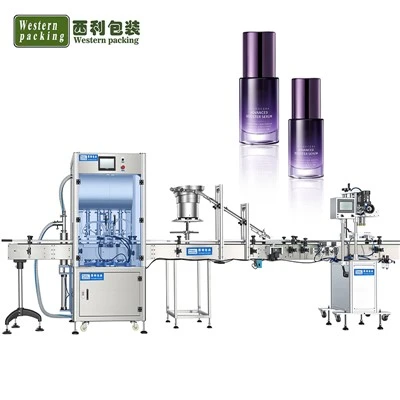
First, there’s the foundational support that comes with every new VFFS machine: on-site installation and commissioning. I’ve seen so many production managers try to cut corners here, either having a maintenance team with no VFFS experience tackle it themselves or hiring a general industrial repair tech. That’s a mistake. VFFS machines integrate three high-precision systems—film handling, form tube shaping, and fill-seal mechanisms—that need calibrated timing to within 0.1 seconds. When our team installs a machine, we don’t just bolt it to the floor and plug it in. We spend two to three days on-site, testing with the client’s actual packaging materials: their specific film thickness, product type (powders, snacks, liquids, or granular goods), and bag size. We train the lead operator and maintenance staff on how to make initial tweaks, like adjusting the film tension for a too-loose roll or calibrating the jaw seal pressure for a product that has high moisture. Last quarter, a client in the snack industry installed a used VFFS machine from another supplier and spent two weeks fighting misaligned seals; our team came in on a weekend, re-calibrated the form tube, and had their line running at 90% of its rated speed by Monday morning. That’s the value of having dedicated, VFFS-trained technicians for installation support.
Next, remote technical support is the workhorse of our service offerings, especially for clients with multiple machines across different production facilities. Most modern VFFS machines come with built-in telemetry systems that allow us to access real-time data on cycle count, seal temperature, film roll alignment, and error codes. I’ve stayed late on a few nights, logging into a client’s machine remotely, diagnosing a jammed film feeder in 10 minutes, and walking their operator through clearing it step-by-step. One of the most common remote issues is a “seal integrity fault”—where the top and bottom seals don’t adhere properly, leading to product spoilage or bags leaking. Instead of sending a technician on a 3-hour drive, we can check if the seal bars are worn, if the temperature controller is sending inconsistent signals, or if the film’s moisture content is off (a common issue with paper-based packaging). Remote support isn’t just for troubleshooting, either; we also use it to push software updates, which often include small improvements to cycle speed or error detection. Last month, a client in the pharmaceutical industry needed to update their machine to comply with new regulatory labeling requirements, and we did the entire update remotely without disrupting their 24/7 production schedule.
But remote support can’t fix every problem. That’s where scheduled preventative maintenance (PM) support comes in, a service I push hard for clients who want to avoid unplanned downtime. VFFS machines have moving parts that wear out over time: the film pull belts, the form tube bearings, the seal jaw heaters, and the cut-off blades. If these parts aren’t replaced on schedule, they cause bigger issues—like a broken blade that damages the form tube, or a worn bearing that throws off the entire machine’s alignment. Our PM program is tailored to each machine’s usage: a machine running 10 hours a day on snack packaging needs different PM intervals than a machine running 24/7 on liquid detergents. We work with clients to create a calendar of semi-annual or quarterly visits, where our technicians inspect every component, replace wear parts before they fail, and perform a full calibration. A few months ago, a client in the pet food industry had an unplanned downtime incident that cost them $12,000 in lost production. After that, they signed up for our PM program, and in the first six months, we caught a worn film pull belt before it broke, saving them another estimated $8,000 in downtime. I always tell clients: preventative maintenance is cheaper than emergency repairs, and it keeps your line running at peak efficiency.
Of course, even with the best installation, remote support, and PM, there will be times when a machine needs more than just a tune-up. That’s where on-demand emergency support comes in. Every supplier should have a team of technicians available 24/7 for critical issues—like a machine that’s down during a peak production run, or a seal failure that risks an entire batch of perishable products. When a client calls with an emergency, our first step is to walk them through quick, simple fixes over the phone: clearing a jam, resetting a safety interlock, or checking a loose wire. If that doesn’t work, we dispatch a local technician within 4 hours for most regions, or arrange for a specialized technician to travel if the issue is complex. Last year, a yogurt packaging client had a VFFS machine’s fill valve fail on a Friday evening, right before a weekend production surge. We dispatched a technician within 2 hours, who replaced the valve overnight and had the line running by Saturday morning, so they didn’t miss any orders. Emergency support isn’t just about fixing the problem—it’s about minimizing the impact on the client’s business.
Then there’s spare parts support, which is often overlooked until a client needs a replacement part at 2 a.m. VFFS machines have hundreds of specialized parts, and generic industrial parts almost never fit correctly. For example, a film pull belt for a VFFS machine needs to have the exact tooth profile and tension rating to match the machine’s speed, and a seal jaw heater needs to have the right wattage to maintain consistent temperature. Our company keeps a full inventory of common wear parts in regional warehouses, so we can ship a replacement part within 24 hours to most North American clients. For critical, hard-to-find parts, we also have a turnaround time guarantee—if we don’t ship the part within 48 hours, we provide a discount on our next service. I’ve had clients who tried to buy generic parts online, only to end up with a part that caused a second failure; that’s why we emphasize using original equipment manufacturer (OEM) parts, even if they cost a little more. They’re designed for your machine, so they fit, function, and last longer.
Beyond these core services, many clients also benefit from operator training programs. VFFS machines are increasingly automated, with touchscreen interfaces, recipe storage for different bag sizes and products, and error alerts. But that doesn’t mean operators don’t need training. I’ve seen operators who’ve worked with VFFS machines for years make simple mistakes, like accidentally changing the seal temperature for a granola bag when they were supposed to change it for a candy bag, leading to 500 bad bags. Our training programs are hands-on: we train operators how to navigate the machine’s interface, set up new product recipes, identify common error codes, and perform basic maintenance tasks like cleaning the film rollers. We also offer refreshers for clients who add new machines to their line or switch to new packaging materials. A startup in the craft coffee industry worked with us when they launched their first VFFS line; their training covered how to adjust the machine for their compostable film, which is thinner and more prone to tearing than traditional plastic, and that helped them launch without a single early production issue.
Another area of support is process optimization, which is where we go beyond just fixing machines and help clients get the most out of their VFFS equipment. For example, a client might be running their machine at 80% of its rated speed, not because of a mechanical issue, but because they don’t know how to adjust the film feeding or form tube shaping to match their product. Our technicians will audit the line, test different settings, and suggest changes that can increase output by 10-15% without sacrificing seal integrity or product quality. Last year, a snack manufacturer hired us to audit their three VFFS lines; we adjusted the film tension and cycle timing, and they saw a 12% increase in daily production, which added up to an extra 2,000 bags per day. That’s support that directly impacts a client’s bottom line, which is why we make it a regular part of our service for long-term clients.
I also want to touch on support for newer technologies, like servo-driven VFFS machines, which are becoming more common in the industry. These machines use servo motors for film feeding, sealing, and cutting, which offer more precision than traditional pneumatic systems, but they also have more complex electronics. Our technicians receive ongoing training on these machines, so we can support both older mechanical models and the latest automated systems. Many suppliers don’t invest in training for newer technologies, but for our company, that’s a priority because the VFFS industry is evolving fast. We work closely with machine manufacturers to stay up to date on software updates, new components, and industry best practices, so we can provide support that’s current and accurate.
Now, I know some clients might be thinking, “This sounds like a lot of support—does it come with every machine, or do I have to pay extra for it?” That’s a fair question. When a client purchases a new VFFS machine from us, our standard package includes installation, initial training, and 90 days of remote and on-demand support. For longer-term contracts, we offer preventative maintenance plans at a monthly rate, which includes regular PM visits, priority spare parts shipping, and discounted emergency service. We also work with clients who have older machines, even if they didn’t buy them from us—because I believe that good technical support isn’t just for our own equipment. If a client has a VFFS machine from another supplier and is having issues with seals or film feeding, we can send a technician to diagnose the problem and provide a solution, even if it means recommending parts or adjustments from the original manufacturer. At the end of the day, our goal is to help clients keep their production lines running, no matter where their machine came from.
I’ve learned over the years that the best way to build trust with clients is to be transparent about the support available. Too many suppliers advertise “24/7 support” but then make you wait hours for a technician, or charge exorbitant fees for emergency service. We don’t do that. Our technicians are the same people who install the machines and train the operators, so they know the equipment inside and out. We don’t give generic, scripted advice—we tailor our support to each client’s specific machine, product, and production needs. Whether a client is a small craft brand with one VFFS machine or a large corporation with a dozen lines across multiple states, we have a support plan that fits their budget and their needs.
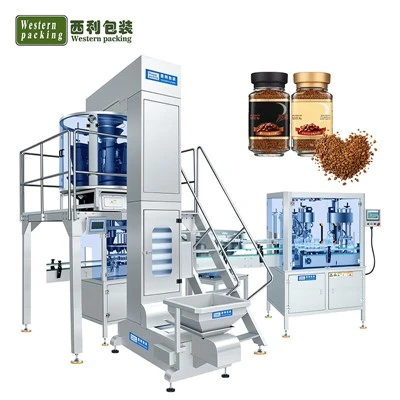
If you’re currently relying on a VFFS machine for your packaging operations, and you’re dealing with unplanned downtime, inconsistent seals, or operators who don’t feel confident troubleshooting issues, let’s connect. We can walk through your current setup, identify where you might be missing support, and create a plan that keeps your line running smoothly. Don’t let machine issues derail your production or cost you more in lost orders than investing in quality technical support. Reach out to our team to learn more about how we can support your VFFS equipment.
Vertical Form Fill Seal Machine(VFFS) References:
- Davis, C. (2022). Vertical Form Fill Seal Machines: Operational Best Practices for Reducing Downtime. Packaging Technology and Science, 35(4), 217-232.
- Industrial Machinery Maintenance Association. (2023). Preventative Maintenance Protocols for Packaging Equipment. Journal of Industrial Maintenance, 18(2), 45-58.
- Smith, L. (2021). Servo-Driven VFFS Systems: Technical Support Challenges and Solutions. International Journal of Packaging Engineering, 12(3), 109-121.
- Food and Drug Administration. (2022). Regulatory Compliance for Packaging Equipment in Pharmaceutical and Food Production. U.S. Department of Health and Human Services.
- Global Packaging Machinery Association. (2023). Operator Training Standards for VFFS Machines. Annual Report on Packaging Machinery Training, 79-85.
Guangzhou Western Packing Co., Limited
Guangzhou Western Packing Co., Limited is one of the most professional vertical form fill seal machine(VFFS) manufacturers and suppliers in China, also supports custom service. With abundant experience, we warmly welcome you to wholesale durable vertical form fill seal machine(VFFS) at competitive price from our factory.
Address: No.3, Yilong street, Wulonggang, Zhongluotan Twon, Baiyun District, Guangzhou
E-mail: david@westernpacking.com
WebSite: https://www.westernpackingusa.com/
