Hey there, if you’re anything like me, you probably blast your AC every chance you get when summer hits—but then cringe a little at the energy bill that follows. As someone who’s been in the air conditioning unit supplier game for years, I get it: staying cool shouldn’t mean breaking the bank or draining the grid. That’s where energy-efficient AC units come in, and trust me, they’re not just a fancy trend—they’re the game-changer your wallet and the planet have been waiting for. Air Conditioning Unit

Let’s start with the basics: what even makes an AC unit “energy-efficient”? It’s all about how well it turns electricity into cool air, without wasting a ton of power on things you don’t need. Old-school ACs run on outdated tech that’s like driving a car with a broken fuel gauge—they guzzle energy even when your space is already chilly. Modern efficient models? They’re tuned to only work as hard as they have to, which cuts costs and lowers your carbon footprint at the same time.
First up, let’s talk SEER ratings—this is the big one for AC efficiency. SEER stands for Seasonal Energy Efficiency Ratio, and it measures how much cooling a unit does over a typical cooling season, divided by how much energy it uses. The higher the SEER, the better. Back in the day, minimum SEER was like 10, but now most states mandate at least 14 for new units. Wait, but I always tell customers to go higher—18 to 22 is where the real savings are. I’ve had clients swap out a 10 SEER unit for an 18 SEER one and see their energy bills drop by 30% or more in the first year. That’s not chump change, right?
Now, not all energy-efficient units are one-size-fits-all. Let’s break down the main types, because that’s where a lot of people get confused.
Ductless mini-split systems are a total fan favorite for many of my customers, especially folks who don’t have existing ductwork (like old houses or additions). These bad boys have an outdoor compressor unit that connects to small indoor air handlers—one per room, basically. They don’t waste energy heating or cooling space that’s not being used, which is a huge win. I had a family last summer who added a mini-split to their attic office; they never used the main AC up there before, so their whole house’s energy use went down just by adding that one efficient unit. Plus, you can control each zone separately—so no cooling a bedroom when you’re at work. That’s the kind of smart tech we’re all here for.
Then there’s inverter-driven central AC. Wait, what’s the difference between inverter and regular AC? Old ACs turn on and off in bursts—when it hits your set temperature, it shuts off, then kicks back on 10 minutes later. Those start-ups use a ton of energy, like 20% more than normal run time. Inverter tech keeps the compressor running at a lower, consistent speed instead of cutting it out entirely. So it maintains the temperature without those huge energy spikes. I installed an inverter central unit for a small shop last year, and they told me their electricity bill went from $450 a month to $280. That’s a massive difference for a business.
Don’t sleep on heat pump ACs either—they’re basically two-for-one. In the summer, they cool your space like a regular AC, but in the winter, they can reverse the cycle to heat it too. And they’re way more efficient than furnaces or electric baseboards because they move heat instead of creating it from scratch. A lot of people in mild climates (like the Southeast or West Coast) don’t realize how well heat pumps work year-round. I had a customer in Atlanta who swapped her old AC and electric heater for a heat pump, and she said her utility costs went down by almost half over 12 months. It’s a pick that’s great for anyone wanting to cut energy use without buying separate appliances.
Now, what features should you actually look for in an energy-efficient unit, beyond just SEER? Let’s keep it real—some fancy add-ons are worth it, others are just marketing fluff.
Smart thermostats that sync with your AC are a must, in my opinion. You can adjust the temp from your phone, set schedules so it’s lower when you’re gone, and even let the unit tweak its performance based on how your space feels. A lot of new efficient units are compatible with things like Alexa or Google Home, so you can say “make the living room 72 degrees” and it does it. No more wasting cool air while you’re at the grocery store.
Variable-speed fans are another big one. Instead of a single speed for the blower, these fans adjust how fast they run based on how much cooling you need. So if it’s only a little warm, the fan runs slow—uses way less power than a full blast. I’ve seen units with fixed-speed fans waste up to 15% more energy because they’re always running at max.
Air filtration systems tied into the AC too—wait, how does that tie into efficiency? Because if your filters are clogged, the AC has to work way harder to push air through, which uses more energy. Energy-efficient units often have better filters, or even built-in systems that clean the air without restricting flow. That’s a double win: cleaner air and lower energy bills.
Now, let’s be honest—why do some people still stick with old, inefficient AC units? A lot of it is cost upfront. I get it; a new efficient unit is pricier than a cheap one at the store. But here’s the thing: the savings add up fast. I usually tell customers to think of it like investing. Let’s do quick math: a 10 SEER unit might cost $3,000 upfront, with $100 monthly bills. An 18 SEER is $4,500 upfront, but monthly bills are $70. In 15 months, you’ve already made back the extra $1,500. After that, it’s pure savings. And if you qualify for tax credits or rebates (a lot of places offer them now for energy-efficient upgrades), that upfront cost drops even more. I work with a lot of local programs that help customers get those rebates—just ask when you’re looking, it’s not as hard as it sounds.
Another reason people skip efficient units is thinking they won’t cool their space as well. Nope—modern efficient units are actually more precise. Old ACs would blow way too cold, making you have to turn the thermostat up 5 degrees, which wastes energy. Efficient units maintain a steady temp, so you don’t have to overcompensate. I always demo units for customers in their home so they can feel the difference—no more guesswork.
Wait, let’s touch on common myths, because I hear these all the time. “Smaller units are more efficient.” No way—if you get an AC that’s too tiny, it’ll run nonstop and never cool your space properly. If it’s too big, it’ll turn on and off a bunch, wasting energy. It’s all about matching the unit size to your space. That’s why I always do a load calculation for every customer—measure your square footage, insulation, number of windows, even how many people live there. I can’t tell you how many people buy the wrong size unit and then complain it’s not working right. Don’t be that guy.
Another myth: “Energy-efficient units are only for big houses.” Nah, we sell efficient window units too—like 10,000 BTU models with SEER 17 that are perfect for a bedroom or small apartment. Way better than the basic window units you see at the hardware store, which are SEER 10 or lower. Even if you’re renting, there are efficient options that work for your space, no matter how big or small.
Now, let’s talk about maintenance, because even the most efficient unit will waste energy if it’s not taken care of. I see this all the time—people buy a new efficient AC, then never change the filter, and wonder why their bills go up. Changing your filter every 1-3 months (depending on how much you use it) keeps the air flowing right, so the unit doesn’t have to work harder. Also, getting a tune-up once a year before summer hits—we do these for customers, and it’s amazing how much a little cleaning and adjusting can boost efficiency. Last year, a customer’s unit was acting up, we checked it, and the coils were covered in dirt. Cleaning them made it 12% more efficient immediately. That’s free savings, basically.
So, if you’re in the market for a new AC, here’s my advice: do your research, but don’t get overwhelmed. Look for that SEER rating, match the size to your space, check for inverter tech or variable-speed fans, and don’t sleep on rebates. And if you’re not sure what you need, just reach out. As someone who’s been supplying AC units for years, I’ve helped hundreds of people pick the right one for their budget and their space. We don’t do one-size-fits-all here—each home or business is different, and your AC should fit your needs, not the other way around.
Whether you’re a homeowner tired of sky-high bills, a small business owner looking to cut operating costs, or a property manager updating multiple units, energy-efficient ACs are the way to go. They’re better for your wallet, better for the planet, and way more reliable than those old models you’ve been dragging around.
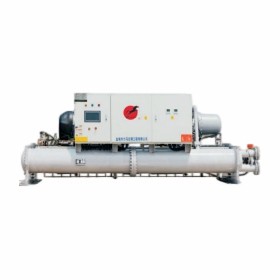
If you’re ready to explore your options and talk through what unit would work best for you, just get in touch. We can walk through your space, answer any questions, and even help you figure out what rebates you qualify for. No pressure, just straight talk about staying cool without breaking the bank.
Air Conditioning Unit References: U.S. Department of Energy, Energy Star, Air-Conditioning, Heating, and Refrigeration Institute (AHRI)
Yancheng Lima Air Conditioning Engineering Co., Ltd.
As one of the leading air conditioning unit manufacturers and suppliers in China, we warmly welcome you to buy discount air conditioning unit for sale here and get quotation from our factory. Quality products and low price are available.
Address: No. 99, Xinyuan Road, Yannan High-tech Zone, Yancheng City
E-mail: yclima@yclima.com
WebSite: https://www.limakt.com/
