As a supplier of crawler excavators, I’ve spent thousands of hours working with operators, maintenance teams, and workshop technicians to troubleshoot on-site issues—none are more common or frustrating than track slip. If you’ve ever stood on a worksite and watched a 30-ton excavator spin its tracks uselessly on loose dirt, stuck trying to dig a trench or lift a load, you know how expensive that slip can be: delayed timelines, extra fuel costs, and unnecessary wear on critical components. Track slip isn’t just “operator error,” either; it’s a combination of mechanical, terrain, and usage factors that even seasoned teams miss. Let’s break down exactly what causes it, how to spot it early, and what we as a supplier do to mitigate it with the machines we deliver. Crawler Excavator
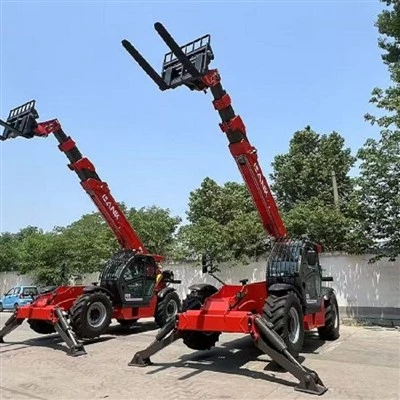
First, let’s clarify what track slip actually means for crawler excavators. It’s not just the track moving a little under the machine—when an excavator’s tracks slip, the sprocket (the large gear that drives the track chain) rotates, but the track itself doesn’t move the excavator forward or backward. This creates a destructive “spin” where the track slides over the ground, rather than transferring power to move the machine. For operators, it often looks like the excavator’s engine is revving, the sprocket is turning, but the truck bed or trench you’re trying to reach stays stubbornly out of grasp. As a supplier, I’ve seen this turn a simple half-day job into a full-day delay on sites from residential construction to mining operations, and it’s rarely the fault of a bad machine design.
One of the most frequent root causes of track slip comes down to track tension—and this is something every operator and maintenance tech should check before a job, even if the machine ran well the day before. Tracks run on a system of idlers (the wheels at the front and rear of the track chain) and a tension cylinder, usually filled with hydraulic oil or grease, that keeps the track tight enough to avoid sag. When tension is too loose, two things happen: first, the track can slip off the sprocket or idlers entirely, causing a derailment that’s a nightmare to fix mid-job. Second, even a slightly loose track will stretch under load, creating space between the track shoes and the ground that reduces traction. We’ve had a customer call us last summer complaining his 20-ton excavator was slipping on a residential demolition site; when our technician arrived, he found the track tension was 20% below the manufacturer’s recommended level. That loose track was sliding over the dirt instead of gripping, and tightening it to spec fixed 90% of the issue right away. It’s important to note that tension isn’t a one-time set-it-and-forget-it number: temperature changes, wear on track pins, and even digging hard into rock can loosen tension over a single shift. We always include a tension gauge with every new excavator and post quick tension-check videos on our customer portal to prevent this simple, avoidable issue.
Next, terrain conditions are a major factor, and they’re one that often catches even experienced operators off guard. Crawler excavators rely on friction between their track shoes and the ground to move, so low-friction surfaces are the top enemy of traction. Wet, muddy clay is a classic culprit—when water fills the gaps between track shoes and compacted soil, it acts like a lubricant, reducing friction by up to 70% in some cases. We had a mining customer last winter working on a site where they’d recently flooded a section of road for a trench dig; their 40-ton excavator slipped so badly they had to bring in a bulldozer to pull it out mid-job. But it’s not just mud: loose sand, gravel, and even frozen ground can cause slip if the track can’t get purchase. On loose sand, track shoes can sink only a few inches, so the surface they’re gripping is unstable, leading to spin. On frozen ground, the smooth, hard surface means track shoes have no texture to bite into, even on a 50-ton machine. A common mistake we see here is operators trying to power through slip by revving the engine higher—this only makes the track spin faster, which erodes the ground under the shoes even more, creating a deeper rut that’s harder to get out of. Our advice? On low-friction terrain, reduce speed, use the excavator’s low-travel gear (which delivers more torque to the tracks, rather than raw speed), and, if possible, place timbers or track pads under the shoes to increase surface area and friction.
Mechanical wear is another slow-burn cause of track slip that’s often overlooked until it becomes a major problem. The track system has dozens of moving parts: track chains, sprockets, idlers, rollers, and track shoes, all of which wear down over hundreds of hours of operation. Sprockets, for example, have teeth that interlock with the track chain links to transfer power. As those teeth wear down—from digging into rock, hitting debris, or lack of lubrication—their shape changes, so they don’t grip the track links as tightly. That reduces the amount of power transferred from the engine to the tracks, leading to slip. We had a construction customer with a 15-ton excavator that had 3,000 hours on it; he complained of consistent slip on flat ground, and when we inspected it, the sprocket teeth were worn down 30% beyond the manufacturer’s allowable limit. Replacing the sprocket and a slightly stretched track chain fixed the issue. Track shoes themselves also wear: the metal treads or lugs on the bottom of the shoes get flattened or worn down over time, reducing the surface that grips the ground. On rocky sites, track shoes can also get bent or cracked, creating gaps that let the track slide instead of bite. As a supplier, we include wear indicators on every sprocket, idler, and track shoe, and offer affordable rebuilt parts packs for machines under 5,000 hours to prevent this type of slip.
Operator technique might be the most variable cause of track slip, and it’s one that we work hard to educate new operators on when they pick up a new excavator from us. Many new operators are trained to “push” through obstacles by revving the travel controls, but that’s a surefire way to cause slip. When you’re digging a load and moving at the same time, if you try to lift too much material while moving, the excavator’s center of gravity shifts forward, reducing traction on the rear tracks. Or, if you turn too sharply at speed, the outside track has to work harder to pivot, leading to spin. We once had a customer who was a first-time excavator operator; he’d been lifting 2 tons of concrete with his 25-ton excavator while backing up, and every time he moved, the rear track would slip. Once he adjusted his technique to lift the load in a stable position first, then move slowly, the slip stopped entirely. Another common technique mistake is setting the tracks too wide for the job: while a wide track base is good for stability, on narrow worksites, it can cause the tracks to dig into the ground unevenly, leading to slip on one side. We teach all our customers to match track width to the worksite—narrow tracks for tight residential lots, wide tracks for soft, muddy terrain—to optimize traction.
It’s also worth addressing a common misconception: newer, more expensive excavators don’t get track slip. We’ve seen brand-new 50-ton excavators slip on muddy sites just as often as 10-year-old models, usually because of poor tension checks or operator error. That’s why we don’t just sell machines—we offer on-site training sessions for all new customers, covering not just how to operate the excavator, but how to do maintenance that prevents issues like track slip. Last year, we ran a training day for a fleet of 10 excavators at a construction company in Ohio; after teaching their operators to check track tension before every shift, they reported a 60% drop in track slip-related delays over the next three months.
Now, what can you do if your excavator is slipping right now, instead of just preventing it? First, stop revving the engine—this will only make the slip worse and can cause track chain breakage. For minor slip on flat ground, try adding weight to the front of the excavator (by digging a small scoop of dirt and placing it in the bucket) to shift the center of gravity forward, increasing traction on the rear tracks. For deeper slip or stuck machines, use a bulldozer or another excavator to pull slowly, not with a sharp yank, which can damage track components. For persistent slip that doesn’t go away after adjusting tension, it’s likely a mechanical wear issue, and you should contact a certified technician to inspect sprockets, idlers, and track chains.
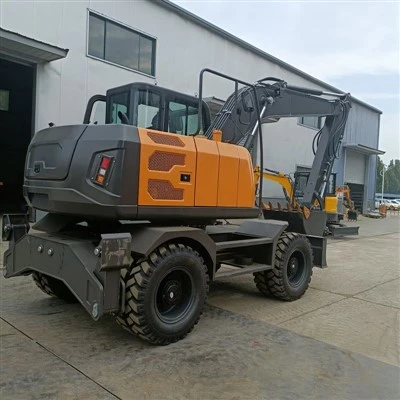
As a crawler excavator supplier, our goal isn’t just to sell a machine—it’s to make sure it works for you, day in and day out, without unnecessary downtime. Track slip is a manageable issue if you know what to look for, from checking track tension daily to training operators on the right techniques. If you’re experiencing recurring track slip with your current excavator, or you’re in the market for a new machine that’s built with durable track systems to reduce this kind of downtime, don’t hesitate to reach out to our team to discuss your needs and find the right solution for your worksite.
Loader References
- Caterpillar Inc. (2022). Crawler Excavator Track System Maintenance Guidelines. Caterpillar Global Construction.
- Komatsu America Corp. (2021). Traction Performance and Track Slip Mitigation for Heavy Construction Equipment. Komatsu Technical Report.
- International Union of Operating Engineers (2020). Excavator Safety and Troubleshooting Handbook. IUOE Training Department.
- Society of Automotive Engineers (2019). Wear Characteristics of Track Shoes and Sprockets in Off-Road Construction Equipment. SAE International Journal of Commercial Vehicles.
- Construction Equipment Association (2022). Terrain-Based Traction Recommendations for Crawler Excavators. CEA Technical Bulletin.
Shandong Feisite Machinery Co., Ltd.
As one of the most professional crawler excavator manufacturers and suppliers in China, we’re featured by quality products and good service. Please rest assured to buy cheap crawler excavator made in China here and get quotation from our factory. Customized orders are welcome.
Address: 100 meters south of Zengfusi Village, Mihe Town, Qingzhou City, Shandong Province
E-mail: Wpeng19911103@qq.com
WebSite: https://www.shandongfeisite.com/
