Hey folks, if you’re here, you probably either just unboxed a Type T Bulb LED from our shop (welcome, by the way!) or you’re hunting for a no-fuss install guide that doesn’t read like a 10-page manual for a rocket ship. Let me cut to the chase: Type T bulbs—those classic tubular shape, usually used in garage lights, shop ceilings, or even some retro dining fixtures—are way simpler to swap than they look, and as your go-to Type T Bulb LED supplier, I’ve seen way too many folks mess up basic steps because they skip the “prep like you’re dealing with a hot stovetop” basics. No fancy tools, no confusing jargon, just real talk from someone who’s spent the last 3 years shipping these bulbs to people who actually need ’em. Type T Bulb LED
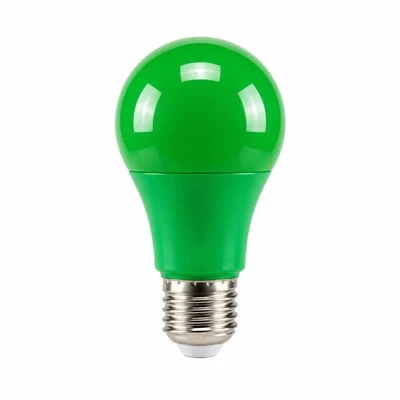
First, let’s get one thing straight: this isn’t your old incandescent Type T bulb install. Those bad boys just twisted in, boom, done. But LED Type T bulbs? They run on a little different wiring, and cutting corners here is how you blow a bulb before you even turn the light on, or worse, risk a shock. Let’s start with the non-negotiable prep work—no shortcuts here.
Before you even grab the bulb, go flip the circuit breaker for that light. I know, I know, it sounds obvious, but last month a customer emailed me saying their bulb burned out 10 minutes after installing it, and when I asked if they’d cut power, they said “well, the switch was off.” Newsflash: wall switches can be finicky—they sometimes turn off the light but leave the circuit live for the wiring inside the wall. Don’t just trust the switch. Test it: grab a non-contact voltage tester (these are $5 at any hardware store, I link ’em in our shop often) and hold it near the socket. If it beeps, that means power’s still there. Flip the breaker again, test until it’s silent. This step takes 2 minutes and saves you from a trip to the ER or a dead bulb. Pro tip: keep a small step stool handy too—most Type T sockets are 7+ feet up, no need to stretch and fall.
Next, take the old bulb out. If it’s an incandescent or fluorescent Type T, that’s usually a simple twist: turn it counterclockwise until it releases. But wait—what if it’s stuck? Don’t yank it. Grab a pair of rubber gloves, wrap a rag around the base, and twist gently. If it still won’t budge, don’t use pliers—you’ll scratch the base and break it, making the new bulb won’t fit. If all else fails, cut power again, turn off the breaker, and gently break the old bulb with a flathead screwdriver (wear safety goggles here, glass chunks fly) then fish out the remaining parts with needle-nose pliers. No stress, we’ve all been there.
Now, this is where most people mess up: the socket check. Your Type T Bulb LED isn’t universal. Most of our bulbs work with standard E26 or E27 sockets (that’s the medium screw base you see in most homes), but some older fixtures have a “bi-pin” base—tiny two prongs sticking out the end. Wait, did I say prong? Yeah, Type T comes in two main base types: screw-in (Edison base, E26/E27) and bi-pin (T5, T8, T12, common in fluorescent shop lights). If you bought our Type T LED, make sure it matches your socket. If you got it from us, it should be labeled on the box—we print the base type right there so you don’t guess. If you’re not sure, send us a quick message before you start, we’ll help. No one wants to buy a bulb that doesn’t fit.
Okay, assuming you’ve got the right base, let’s get to the actual install. For screw-in Type T LEDs: line the base up with the socket, twist it clockwise until it’s snug. Don’t over-twist! Those plastic sockets can break if you crank too hard. A good rule is: twist until it stops, then give it about a quarter turn more. If it’s wobbly, it’s not in all the way. If it’s too tight, you risk damaging the bulb’s connections.
For bi-pin Type T LEDs (the ones with two little prongs): here’s the trick. The socket has two tiny holes that the prongs slide into. Line the prongs up, push gently until you hear a click—don’t force it. Some bi-pin sockets have a retention clip; if yours does, push the bulb up until the clip catches the small notch on the bulb’s base. That’s it, no twisting needed here. Super easy, way less fussy than fluorescent tubes.
Wait, hold on—what about ballasts? Oh, right! If you’re replacing an old fluorescent Type T bulb, that’s a common point of confusion. Old fluorescent lights use a ballast to regulate power, and some Type T LED bulbs work with the existing ballast, while others need you to bypass it. Here’s the deal: all our Type T LED bulbs specify if they’re “ballast-compatible” or “ballast-bypass required” on the product page and the box. If you have a T8 or T12 bulb from the 90s/00s, most are ballast-compatible, but double-check. If you skip this and use a ballast-bypass LED with an old ballast, it will burn out fast. I’ve seen this happen so many times—folks don’t read the label, buy the wrong one, and get mad at us when it breaks. Don’t be that person. Our product pages have a little diagram showing how to check if your ballast is compatible, just scroll down.
Once the bulb is in, the big test: flip the breaker back on, then the wall switch. If it lights up, you’re golden. If it doesn’t, don’t panic—9 times out of 10, it’s a simple fix. First, check if the bulb is seated right. For screw-in, give it a gentle clockwise twist to make sure it’s snug. For bi-pin, push it up a little to make sure the clip caught. If it still won’t light, turn power off again, take the bulb out, and check for loose wires in the socket. Wait—if you’re comfortable, you can pull the socket cover off (turn power off first, always) and make sure the wires are screwed tight to the socket terminals. If they’re wiggly, use a screwdriver to tighten them. No need to rewire the whole fixture, just the terminals. If that still doesn’t work, it’s probably a bad bulb, and we’ll replace it no questions asked—our warranty covers that, no fine print.
Now, a few pro tips from a Type T Bulb LED supplier who’s seen every install fail: 1) If you’re installing multiple Type T bulbs in a shop or garage, label each socket when you pull the old ones out. Some older fixtures have different wiring, so you don’t mix up hot and neutral. 2) These bulbs run cooler than old incandescents, so you don’t have to worry about burning your fingers when swapping, but still—turn power off first. 3) If your fixture has a dimmer switch, make sure your Type T LED is compatible with dimmers. A lot of standard Type T LEDs aren’t dimmable, and plugging one into a dimmer will cause it to flicker. If you need a dimmable one, just let us know, we stock a whole line of dimmable Type T LEDs specifically for that.
Oh, and one last thing: disposal of old bulbs. We hate that people just toss old incandescents or broken fluorescents in the trash. They have tiny amounts of mercury, so check your local recycling center—most hardware stores take old bulbs for free, and we offer a $5 discount when you send us your old Type T bulb to recycle. That’s a little side thing we do to keep things green, and our customers love it.
At the end of the day, installing a Type T Bulb LED isn’t rocket science. It’s 2 minutes of prep, a quick check of the base and ballast, and twisting or clicking it into place. If you run into a snag—whether it’s a stuck bulb, a wonky socket, or you just need to confirm which bulb fits your fixture—we’re here to help. We’re not a huge corporate supplier, so you don’t get a call center robot reading a script. Shoot us a message, send a pic of your socket or old bulb, and we’ll tell you exactly what to get and how to install it right. No guesswork, no hassle.
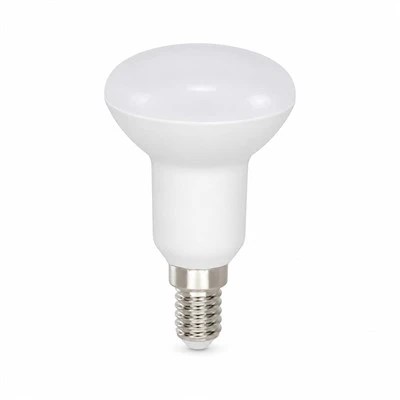
If you’re ready to grab your Type T Bulb LED or have more questions about install, feel free to reach out to our team to discuss your specific needs—we’re happy to help you find the right product and walk you through every step.
Type T Bulb LED REFERENCES
- Department of Energy. (2022). LED Bulb Installation Guidelines for Residential and Commercial Lighting. U.S. Department of Energy.
- Illuminating Engineering Society. (2021). Best Practices for Installing Tubular LED Bulbs in Vintage and Modern Fixtures. IES Lighting Library.
- National Electrical Contractors Association. (2020). Electrical Safety Basics for DIY Light Installations. NECA Publications.
Hangzhou Lin’an Mingfeng Electric Parts Co., Ltd.
We are one of the most experienced type t bulb LED manufacturers and suppliers in China since 1996. We warmly welcome you to wholesale customized type t bulb LED made in China here from our factory. If you have any enquiry about pricelist and quotation, please feel free to email us.
Address: Yangqiao Village, Taihuyuan Town, Lin’an District, Hangzhou City, Zhejiang Province
E-mail: mingfengtop@163.com
WebSite: https://www.mingfengtop.com/
