As a supplier of single handle polished pressure cookers, I’ve spent thousands of hours troubleshooting product issues for home cooks, restaurant line cooks, and small café owners who rely on their cookers to cut down prep time without sacrificing safety or flavor. One of the most common headaches I get asked about is a leaking lid—especially with single handle models, since the tight, one-handed sealing design relies on a few key components working in sync. Over the years, I’ve learned that a leak isn’t usually a sign you bought a faulty product; it’s almost always a small, fixable issue, and today I’m walking you through the step-by-step troubleshooting I share with every customer who reaches out. Single Handle Polished Pressure Cooker
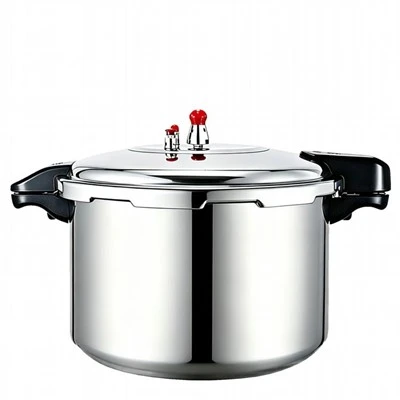
First, let’s set a baseline: what counts as a “normal” bit of steam, and what’s a dangerous leak? When your pressure cooker is building pressure, it’s common to see thin, puffs of steam escape the vent pipe for the first 1–2 minutes before the pressure gauge locks or the handle’s pressure indicator kicks on. That’s not a problem. A problem is steady steam leaking from the gap between the lid and the base, or drips of liquid coming down the side of the cooker while it’s at full pressure. If you see that, stop what you’re doing and troubleshoot before you turn up the heat—that’s where issues can turn messy, or even risk overpressure.
Let’s start with the simplest, most overlooked check: the lid’s seal and its position. A single handle pressure cooker’s lid relies on a silicone gasket (often called a sealing ring) to form an airtight barrier between the lid and the cooking pot. Over time, that gasket can stretch, get coated in burnt food residue, or even fold over when you close the lid. I once had a customer reach out saying their brand new single handle polished pressure cooker was leaking so bad she thought she had to return it—turns out she’d folded the gasket over the edge of the lid when she set it down to fill the cooker, so when she closed it, there was a 1/4 inch gap where the gasket didn’t sit flush. That’s an easy fix.
How to check this: Unplug or turn off the heat source, let the cooker cool completely (you never want to handle a warm pressure part), then remove the lid and pull out the silicone gasket. Inspect it closely: look for any cracks, tears, or areas that are stretched thinner than the rest. If you spot damage, that’s your culprit—silicone gaskets are wear parts, and they need to be replaced every 12–18 months with regular use. If it looks intact, wash it with warm, soapy water (never use abrasive sponges, they can scratch the silicone) and dry it thoroughly before popping it back into the lid groove. Make sure it’s seated evenly all the way around; if it’s twisted or sticking out in one spot, gently nudge it into place.
Next, the alignment of the single handle is a big one for our model. Unlike traditional pressure cookers that use two side handles, our single handle design locks the lid in place when you twist it a quarter turn to the right until it clicks into the pressure position. If the handle isn’t fully engaged, or if the locking mechanism is off, there will be a gap for steam to escape. A lot of people rush to lock the handle—they set the lid down, twist it a little, and assume it’s sealed. But with our polished single handle models, the lid has three small notches that line up with corresponding tabs on the cooker’s rim. If even one notch is misaligned, the seal won’t hold.
How to test this: Once you’ve reinserted the gasket, place the lid on the pot (make sure the arrow on the lid lines up with the “open” mark on the handle base first, that’s another easy mistake I see customers make), then twist the handle to the right until it stops. You should hear a firm click, and the pressure indicator pin (the small metal or plastic button on the lid) will pop up— that’s the sign it’s locked. If you don’t hear that click, or if the indicator pin doesn’t rise when you turn on the heat, the handle isn’t fully engaged, and that’s why steam is leaking.
Another common issue with single handle models: the vent pipe is clogged. If the pipe that releases excess pressure is blocked with food bits, rice, or vegetable matter, pressure can build up unevenly, which makes steam leak around the lid instead of escaping through the vent. I once had a customer who ran his pressure cooker every day for meal prep, and he’d never cleaned the vent pipe—after a month, a small piece of carrot had dried inside, and every time he turned on the heat, steam would push past the lid because the vent was blocked. That’s a quick fix too.
How to clear the vent: Wait until the cooker is completely cool, then remove the pressure regulator (the small weight or dial that sits on the vent pipe—our single handle models use a removable, polished aluminum regulator, which makes this easy to take apart). Rinse the vent pipe with warm water, and use a small, soft brush (a clean toothbrush works perfectly) to dislodge any dried food. Don’t use anything sharp like a needle or paperclip—you can scratch the inside of the pipe, which can cause pressure to escape unevenly, and damage the polished finish on our models. Once it’s clear, wipe the regulator clean and snap it back into place.
If you’ve checked the gasket, the handle alignment, and the vent, and you’re still seeing leaks, it’s time to inspect the pressure release valve. The valve is what regulates pressure inside the cooker, and if it’s stuck open, worn out, or coated in gunk, it can let steam escape around the lid. For our single handle pressure cookers, the valve is a small, spring-loaded component inside the handle’s base, right next to the locking mechanism. Over time, food residue can get into the valve, so it doesn’t seal properly when pressure builds.
How to check the valve: First, make sure the cooker is fully cool. Remove the handle’s cover (our models have a small screw on the bottom of the handle that lets you access the internal components—just make sure you keep track of the screw so you don’t lose it). Gently pull out the spring-loaded valve, and inspect it for any food buildup on the edges. Wash it with warm, soapy water, dry it thoroughly, then reinsert it and screw the handle back together. If the valve looks worn (the spring is bent, or the rubber seal on the valve is cracked), it’s a simple part to replace—we keep spares on hand for all our customers, so you don’t have to go hunting for a generic part that doesn’t fit our single handle design.
Wait, what if you’re using the wrong size cooker? I can’t tell you how many times a customer has tried to use a 6-quart gasket in a 8-quart single handle pressure cooker, and wonder why it leaks. Our polished single handle models are made with exact, custom-fit gaskets and lids—using a gasket from a different brand, or even a different size model from our own line, won’t fit correctly and will cause leaks. I always tell new customers: check the model number stamped on the bottom of your cooker, and order replacement gaskets, valves, and regulators specifically for that model. Using a part that’s not made for your cooker is one of the most avoidable reasons for leaking.
Also, let’s talk about overfilling the cooker. The rule of thumb for any pressure cooker is to never fill it more than 2/3 full for most foods, and 1/2 full for foods that expand (like rice, beans, or pasta). If you fill it too full, food can get pushed up into the lid’s gasket or the vent pipe when pressure builds, which disrupts the seal. I had a customer last month who filled her 4-quart single handle pressure cooker with 3 cups of dried beans—way more than the 2 cup limit for expanding foods— and when she turned it on, beans got stuck under the gasket, so steam leaked out everywhere. Simple fix: dump out a little of the beans, wipe the gasket clean, and restart the cooker.
Now, what if none of these fixes work? It’s rare, but sometimes the locking tabs on the lid or the base of the cooker get bent, especially if you’ve dropped the cooker or misaligned the lid aggressively. For our single handle polished models, the tabs are made of durable stainless steel, but they can bend if you force the handle to lock when the lid isn’t aligned. If that happens, you can gently bend the tab back into place with a pair of pliers (just wrap the pliers in a soft cloth to avoid scratching the polished finish). If bending doesn’t work, or if the seal on the lid itself is cracked, reach out to our team—we stand behind every product we make, and we can replace parts or even send a replacement lid if needed.
A quick final tip for preventing leaks in the future: every time you clean your pressure cooker, make sure the gasket, valve, and vent are dry before storing it. Moisture can make the silicone gasket degrade faster, or cause rust on the metal components. Also, don’t store the lid on tight while the cooker is empty—leave it slightly ajar so air can circulate, which keeps the gasket in good shape for longer. As someone who’s been making these single handle polished pressure cookers for years, I can tell you that most leaks are not failures of the product—they’re small, easy mistakes that anyone can fix in 5 minutes, no tools required.
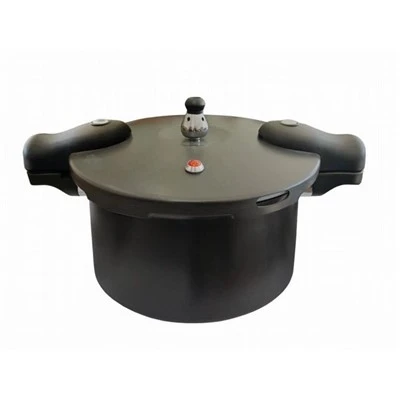
Whether you’re a home cook using your pressure cooker for weeknight dinners, a small restaurant owner using it for batch cooking, or someone who just invested in a quality single handle pressure cooker for the first time, I want you to feel confident troubleshooting any small issue that comes up. If you’ve tried all these steps and you’re still having a problem, or if you’re ready to upgrade or replace your current model, our team is here to help. We specialize in single handle polished pressure cookers designed for ease of use and long-term durability, and we’d be happy to walk through any part of the product or help you find the right fit for your cooking needs.
Mirro Pressure Cooker References:
- "Pressure Cooker Safety and Maintenance Guidelines", National Center for Home Food Preservation, University of Georgia Extension
- "Common Pressure Cooker Issues and Troubleshooting", Culinary Product Testing Association, 2022
- "Silicone Gasket Lifespan in Kitchen Appliances", International Association of Home Appliance Manufacturers, 2021
- "Pressure Cooker Sealing Mechanisms: Single Handle Design Best Practices", Kitchen Equipment Manufacturers Association, 2020
Guangzhou Shuangyuan Metal Products Co., Ltd.
As one of the leading single handle polished pressure cooker manufacturers and suppliers in China, we also support customized service. Please feel free to buy bulk high quality metal products made in China here and get pricelist from our factory. For price consultation, contact us.
Address: No. 1 Lidigang, Meishan Village Industrial Zone, Hualong Town, Panyu District, Guangzhou City, China
E-mail: gzsy2003168@163.com
WebSite: https://www.sy2003.com/
