If you’ve ever shopped for construction materials, odds are you’ve stared at a roll of fiberglass mesh and wondered why there are two common types labeled “plain” and “alkali resistant.” When I first started out as a fiberglass mesh supplier 12 years ago, I got more than a few calls from contractors asking why one was twice the price of the other—or why using the cheaper plain version ended up cracking their exterior walls a year later. Back then, I’d explain the difference in a few sentences, but over time I realized most folks don’t just want a quick answer—they want to understand the “why” behind it, especially when it impacts project budgets, longevity, and avoidable mistakes. Today, I want to break down exactly what sets these two meshes apart, not just as a supplier labeling products, but as someone who’s helped thousands of builders, remodelers, and DIYers pick the right one for their job. Fiberglass Mesh
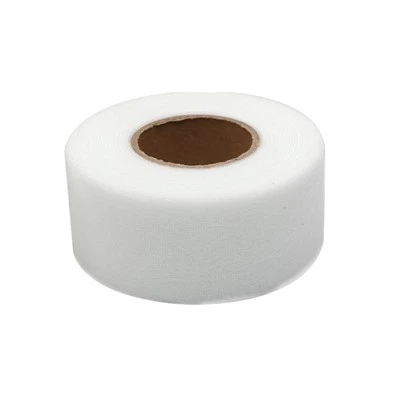
Let’s start with the basics: all fiberglass mesh is made from thin glass fibers woven into a open, grid-like pattern. The raw fibers themselves are made of silica, sand, and small amounts of other minerals, but that’s where the similarities end. Plain fiberglass mesh is the original, uncoated version—just woven glass, nothing extra. Alkali resistant (AR) fiberglass mesh, on the other hand, is treated with a special coating that changes its chemical makeup. That coating is the key, but to get why it matters, we need to talk about the most common place fiberglass mesh is used: cement and plaster.
Cement, in particular, is a highly alkaline material. When it cures, it releases a chemical called calcium hydroxide, which has a pH level of around 12 to 13. For context, bleach has a pH of about 11. That’s an extremely harsh environment for regular glass fibers. Plain fiberglass isn’t designed to withstand that kind of chemical exposure. Over time, even in the best conditions, the alkaline cement starts to break down the glass. The tiny fibers get eroded, the mesh loses its strength, and the entire reinforcement system fails. I’ve seen this happen firsthand: a small residential addition a builder put in 2018 used plain mesh for the exterior stucco. By 2020, the walls had developed spiderweb cracks along every seam, and we had to replace the entire mesh before they could re-stucco. That’s not a failure of the builder’s work—it’s a failure of using the wrong product for the environment.
AR fiberglass mesh’s coating is made from materials that resist that alkaline breakdown, usually something like zirconia or a modified polymer. The coating bonds tightly to the glass fibers when they’re made, creating a barrier that keeps the calcium hydroxide from attacking the silica structure. Not only does this make the mesh last longer, it also maintains its tensile strength for decades, not just a few years. But here’s a point I make to every customer: AR mesh isn’t a one-size-fits-all solution, and plain mesh isn’t “bad”—it’s just for different jobs.
Let’s get into the practical differences beyond the chemistry, because that’s what matters on a jobsite. First, tensile strength. AR mesh has a higher tensile strength per square inch than plain mesh, usually around 2500 N/50mm vs. plain mesh’s 1500 N/50mm on average. That might not sound like a big number until you’re pulling a roll of mesh to cover a 100-foot wall and realize the AR mesh doesn’t snap as you’re unrolling it. For large, structural projects—like exterior stucco, EIFS (exterior insulation and finish systems), or thin-set tile over cement backer board—that extra strength is non-negotiable. Plain mesh, though, is lighter and more flexible, making it perfect for jobs where you don’t need that heavy-duty reinforcement, like inside walls with drywall compound, or even garden borders where you’re mixing cement for low-load projects.
Next, durability in different environments. We mentioned alkaline cement, but what about other spaces? If you’re working on a project that’s mostly interior, where the material around the mesh isn’t highly alkaline, plain mesh works just fine. I supply a lot of plain mesh for DIYers doing small bathroom remodels, where they’re adding mesh to the drywall joints before painting—no cement, no harsh chemicals, so the plain mesh holds up perfectly. But if you’re working outdoors, where moisture and the natural alkalinity of exposed soil or concrete will sit next to the mesh, AR is non-negotiable. I had a customer last year who installed a raised garden bed with cement sides, and he tried using plain mesh to reinforce the cement. Within six months, the edges of the mesh had frayed, and the sides started to warp. He switched to AR mesh on his next project, and it’s still holding strong two years later.
There’s also a cost difference, which is one of the first things people notice. Plain mesh is significantly cheaper than AR mesh—usually 30 to 50 percent less per square foot. That’s tempting for small, budget projects, but it’s important to factor in long-term costs. If you use plain mesh on an exterior wall, you might save a few hundred dollars upfront, but you’ll be paying to repair cracks and re-apply stucco in 2 to 3 years. AR mesh costs more, but it’s designed to last the entire lifespan of the building—usually 50 years or more, when installed correctly. For commercial projects, where downtime and repair costs add up fast, that extra investment is almost always worth it.
Let’s talk about how to spot the difference, because it’s not always obvious from the roll. When we label our mesh at the supplier, we clearly mark plain mesh as “standard fiberglass mesh” or “general purpose” and AR mesh as “alkali resistant” or “stucco mesh,” but there are a few quick checks you can do at the jobsite. First, look at the color. Most plain mesh is a bright white or light gray, while AR mesh usually has a slight yellow or green tint from the zirconia coating. Second, the feel: AR mesh is a bit stiffer and less flexible than plain mesh. I always tell people to pull both rolls side by side—you’ll notice right away that the plain mesh bends more easily, while the AR mesh holds its shape better. Third, if you’re still unsure, you can do a simple pH test. Rub a little cement or plaster on a small piece of each mesh, wait 24 hours, and check for degradation. The plain mesh will start to fray or turn cloudy, while the AR mesh will stay intact.
There are also common misconceptions I hear all the time, and I want to clear them up because they lead to bad decisions. The first is that AR mesh is only for exteriors. While it’s ideal for exteriors, it’s also a good choice for some interior jobs, like tile installations over cement board or underlayment, where the cement will be present long-term. The second misconception is that plain mesh is useless. I’ve seen plain mesh work perfectly on dozens of small jobs, like patching drywall seams or adding reinforcement to thin-set mortar for a small backsplash. It’s just not designed for high-alkaline, long-term exposure. The third misconception is that all AR mesh is the same. At our facility, we test every batch of AR mesh to make sure it meets industry standards for alkali resistance—meaning it can withstand 1000 hours of exposure to a highly alkaline solution without losing more than 10 percent of its strength. Some cheap suppliers cut corners on the coating, selling mesh labeled AR that’s barely better than plain mesh. That’s why it’s important to work with a supplier you trust, who can provide test data for their products.
Another thing to consider is installation. Both meshes are installed the same way—embed them in the wet cement, plaster, or mortar, making sure there are no gaps or wrinkles—but the thickness of the layer around them matters. For plain mesh, since it’s less durable, it works best in thinner layers, while AR mesh can handle a thicker coat, which is part of why it’s better for exterior stucco, where you need a consistent, protective layer over the mesh. I always remind installers to make sure the mesh is centered in the cement layer, not sitting on the surface or buried too deep. If it’s on the surface, it can be damaged by UV rays, and if it’s buried too deep, it doesn’t provide enough reinforcement.
Let’s talk about real-world examples to put this all together. Last year, I worked with a general contractor on a 10-unit apartment building project. The exterior walls were going to be stucco, which is high in alkaline cement. The contractor initially wanted to use plain mesh to save money, but when I explained that plain mesh would crack in 2 years, leading to water damage and repair costs, he switched to AR mesh. The total difference in material cost was about $1,200 for the entire building, but the repair costs he avoided were estimated at over $20,000. That’s a no-brainer for a commercial project, but it’s also applicable to residential jobs. A homeowner doing a backyard patio might use plain mesh for the thin-set mortar under the pavers, but if they’re building a retaining wall with cement, AR mesh is worth the extra cost to avoid cracks and erosion.
For anyone reading this who’s in the market for fiberglass mesh, here’s my advice: don’t just buy the cheapest roll at the store. Think about what the mesh will be in contact with, how long you need it to last, and where it’s located. If it’s going to be inside, not near cement or plaster, plain mesh is a great, budget-friendly option. If it’s going to be outside, in contact with cement, or part of a structural wall, AR mesh is the right choice. And if you’re still not sure, don’t hesitate to reach out to a supplier who knows their products. At our company, we’ve been supplying fiberglass mesh for over a decade, and we never push the more expensive product unless it’s actually necessary. We’d rather help a customer pick the right mesh for their job than sell them something they don’t need.
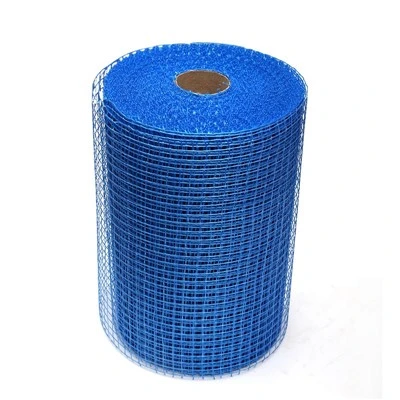
At the end of the day, the difference between plain and alkali resistant fiberglass mesh comes down to chemistry, purpose, and longevity. It’s not about which is better—it’s about which is right for your project. Using the wrong mesh might seem like a small mistake at the time, but it can lead to big problems down the line: cracks, water damage, and costly repairs. Whether you’re a seasoned contractor working on a large commercial build or a DIYer tackling a small home project, taking the time to pick the right mesh will save you time, money, and stress in the long run.
Fiberglass Tissue If you’re ready to order fiberglass mesh for your next project, or you have questions about which type is right for your needs, feel free to reach out to our team. We’re here to help you find the perfect solution, with products tested to meet industry standards and pricing that works for any budget.
References
- “Fiberglass Mesh: Alkali Resistance and Performance in Cementitious Systems,” Construction Building Materials, vol. 189, 2018, pp. 1021–1029.
- ASTM C1071, “Standard Specification for Woven Alkali-Resistant Glass Fabric for Reinforcing Cement Mortar and Concrete,” ASTM International, 2020.
- “Comparison of Plain and Alkali-Resistant Fiberglass Mesh for Stucco Applications,” Journal of Construction Engineering and Management, vol. 145, no. 6, 2019, p. 04019045.
- “Durability of Fiberglass Reinforcement in Alkaline Environments,” Cement and Concrete Research, vol. 116, 2019, pp. 112–121.
Danyang Yonggu Building Materials Co., Ltd.
Danyang Yonggu Building Materials Co., Ltd. is one of the most professional fiberglass mesh manufacturers and suppliers in China, featured by quality products and good price. Please rest assured to wholesale customized fiberglass mesh made in China here from our factory.
Address: Danyang City, Jiangsu Province, P.R. China
E-mail: sales02@cnyongu.com
WebSite: https://www.ygfiberglass.com/
