If you’ve ever pulled on a soft, lightweight layer that feels like a warm hug without weighing you down, chances are it was a fleece hoodie. As someone who’s spent years working with hoodies—selecting materials, testing durability, and talking to customers about what makes a great layering piece—let me break down exactly what a fleece hoodie is, why it’s more than just a casual wardrobe staple, and how it fits into both everyday life and functional gear. Hoodies
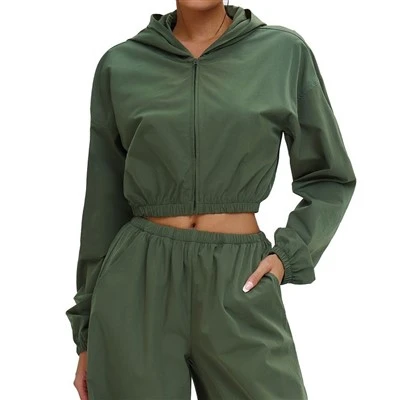
First, let’s start with the basics: fleece is a synthetic fabric made from polyester, derived from plastic bottles, and it’s this material that defines a fleece hoodie. Unlike cotton, which absorbs moisture and stays heavy when wet, fleece is designed to trap air close to your body, creating insulation without bulk. It’s also breathable, so you don’t overheat during walks, work errands, or even light workouts. The fleece used in hoodies comes in different weights—think lightweight (100–200 GSM) for layering under jackets on cool days, midweight (200–300 GSM) for standalone wear in mild weather, and heavyweight (300+ GSM) for cold climates. I’ve seen customers pick the wrong weight more times than I can count: grab a midweight for running errands in spring, and save the heavyweight for winter hikes. It’s a small detail, but it makes all the difference.
A lot of people mix up fleece with other soft fabrics, like sherpa or microfiber, but fleece has a unique pile structure. Most fleece for hoodies is either “polar fleece” (the classic, fluffy fabric you’d recognize from old sweatshirts) or “fleece jersey,” a smoother, stretchier blend that looks more like a traditional cotton hoodie on the outside. Polar fleece is softer and more insulating, perfect for casual use, while fleece jersey drapes better, making it a go-to for people who want a polished look without sacrificing comfort. That versatility is why fleece hoodies work as well at a coffee shop as they do on a camping trip.
Let’s talk about the history, too. Fleece was invented in the 1970s by Malden Mills, a textile company in the US, as a more affordable alternative to wool. Early versions were thick and a bit scratchy, but by the 1990s, brands like Patagonia started refining the fabric, making it softer and more breathable. That’s when fleece hoodies exploded in popularity—they became the uniform of outdoor enthusiasts, students, and anyone tired of bulky wool sweaters. Today, fleece is one of the most widely used materials in hoodies because it’s durable, easy to care for, and eco-friendly, especially when it’s made from recycled polyester. I’m proud to source fleece that’s made from post-consumer plastic bottles—each hoodie we produce keeps at least 10 bottles out of landfills.
Now, why choose a fleece hoodie over a cotton one? Cotton hoodies are soft, but they absorb moisture, take forever to dry, and can get stiff after a few washes. Fleece wicks away sweat, so if you’re moving around, you stay dry. It also repels light rain, so a sudden drizzle won’t leave you soaked. I test every batch of fleece hoodies we carry by wearing them on my morning runs—if they get damp, they dry in 20 minutes, and they don’t smell musty like a cotton hoodie would. That’s a big one for people who wear their hoodies multiple times between washes.
But fleece hoodies aren’t just for casual wear. They’re a staple in workwear, too. Our team supplies fleece hoodies for construction workers, delivery drivers, and warehouse staff because they’re warm enough for outdoor breaks and breathable enough when you’re inside a busy workspace. We’ve also worked with schools, where fleece hoodies are popular as part of uniform sets—they hold up to daily wear, don’t fade easily, and kids love how soft they are. For functional use, the best fleece hoodies have a few key features: a lined hood to block wind, a kangaroo pocket for hands or small items, and flatlock seams to prevent chafing when you’re moving around.
Wait, but what about the downsides? Fleece can pill if it’s not cared for properly—small balls of fabric that form on the surface after washing. That’s why we recommend turning hoodies inside out and washing them on a gentle cycle with cold water. Avoid fabric softeners, which can clog the fleece’s fibers and reduce its breathability. Also, while fleece is water-resistant, it’s not waterproof—so if you’re going out in heavy rain, you’ll still need a jacket over top. But for most people, those are minor trade-offs for a fabric that’s so comfortable and practical.
I’ve seen fleece hoodies evolve a lot over the years. What started as a basic outdoor layer now comes in everything from slim-fit styles for streetwear to oversized, cozy designs for loungewear. We offer a range of styles: full-zip fleece hoodies for easy on and off, pullovers for a classic look, and even hoodies with thumbholes for extra coverage in cold weather. Our customers love that they can customize their fleece hoodies with logos, prints, or embroidery—whether it’s a company uniform, a school spirit item, or a personal gift. That’s one of the best parts of working with hoodies: you can make them unique to your needs.
As a supplier, I’ve learned that a great fleece hoodie isn’t just about the fabric—it’s about the details. The stitching has to be strong, so the hood doesn’t come loose after a few washes. The drawstrings should be thick and easy to adjust, not thin and prone to tangling. The kangaroo pocket needs to be deep enough to hold a phone, wallet, and a pair of gloves. I’ve rejected hundreds of hoodies over the years because they missed even one of these small details, and I know my customers appreciate that attention to quality.
If you’re in the market for fleece hoodies—whether you’re a business looking for bulk orders, a school needing uniforms, or an organization in need of workwear—we can help. We offer flexible options for customization, competitive pricing, and reliable shipping to meet your timeline. Our team has years of experience working with fleece, and we’re happy to answer any questions about fabric weight, style, or order minimums. We take pride in providing hoodies that are not only comfortable and durable but also made with sustainable materials that matter. So if you’re ready to talk through your needs, don’t hesitate to reach out to our team to discuss pricing, specifications, and next steps.
Sports Jerseys For more information on fleece and its uses in apparel, you can refer to these sources:
- “The History and Science of Fleece Fabric” by Textile World
- “Sustainable Textiles: The Role of Recycled Polyester” by the Environmental Protection Agency
- “Performance Fabrics for Active Wear” by Outdoor Industry Association
Jingjiang Bes Textile Products Co., Ltd.
Jingjiang Bes Textile Products Co., Ltd. is one of the most experienced hoodies manufacturers and suppliers in China. We are committed to providing high quality custom service, OEM/ODM service and private label service for global clients. If you’re going to buy bulk premium hoodies, welcome to get samples from our factory. Also, low MOQ and 2 years warranty are available.
Address: No.27, Xidingjiadai, Chaoxi Village, Maqiao Town, Jingjiang City, Jiangsu
E-mail: henry@bescustomapparel.com
WebSite: https://www.bescustomapparel.com/
