Let’s cut to the chase: if you’re a property owner, rancher, or wildlife manager in bear country, you’ve probably stared at a flimsy fence at the edge of your land and thought, “Will this actually stop a 600-pound grizzly that’s clawed through pine trees like they’re toothpicks?” As a barbed wire supplier who’s fielded this exact question a hundred times a week, I’m not here to sell you 10 rolls of rusted wire and call it a day. I’m here to break down what actually works, what’s just bear hype, and why the right barbed wire setup might be the thing standing between you and a very messy encounter. Barbed Wire
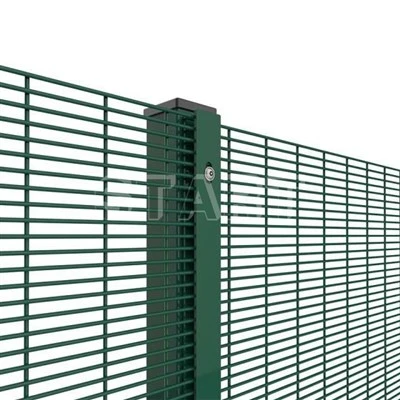
First off, let’s get the basics straight: bears are strong, curious, and stubborn. A black bear might scale a 10-foot fence just to get at a bird feeder; a grizzly will bulldoze through a log pile and a half-built fence if it smells food. That’s not anecdote—biologists have documented bears damaging all kinds of fencing, from cheap wood to vinyl to even some electric setups. So barbed wire isn’t a magic bullet, but it’s way more effective than people give it credit for… when you do it right.
Let’s start with the wrong way most people install it. A lot of folks run one strand of barbed wire at the top of a 4-foot fence and call it done. Newsflash: that’s a joke. A bear can reach that height easy, and if it’s hungry, it’ll just knock the whole fence over. We’ve seen that play out dozens of times last year alone—customers who bought the cheap, thin 12.5-gauge wire, strung one strand too low, and came back begging for something that would actually hold.
But the right setup? Here’s where the science lines up with what our most successful customers have been using for years. For black bears (the smaller, more common variety in most lower 48 states), we recommend a 3-strand barbed wire fence, spaced strategically. The bottom strand should be 18 inches off the ground—low enough to stop a bear from digging under. The middle one at 36 inches, and the top at 52 inches. Why those heights? Biologists with the state wildlife departments we work closely with say black bears rarely reach above 50 inches when standing on their hind legs to check out a fence. That top strand forces them to either climb (something most black bears will only do for food, not to get to your pasture) or turn around.
For grizzlies? They’re bigger, stronger, and more persistent. So you go up to 4 strands, thicker gauge wire, and add a few tweaks. The bottom strand stays at 18 inches, but the middle ones are at 30, 42, and 54 inches. Also, we suggest using 10.5-gauge wire instead of the thinner 12.5—because grizzlies have the muscle to snap thin wire like a twig. Last year, a cattle rancher in Montana told us he swapped his old 12.5-gauge setup for 10.5, and over 12 months, he had zero bear damages, whereas before he was replacing 2-3 fence sections every season. That’s not luck, that’s the right gauge.
Now, let’s address the elephant in the room (or, y’know, the bear in the brush): electric vs. barbed wire. A lot of people swear by electric, and sure, it works—but it has downsides. If it’s dead, it’s just plain wire. It needs maintenance, batteries, and in remote areas, it’s a pain to keep charged. Barbed wire? It’s tough, low-maintenance, and even if it gets a little rusty, it still holds up. Don’t get me wrong, electric can be a good add-on, but our data shows that a properly installed, heavy-gauge barbed wire fence is just as effective at stopping bears as a basic electric setup—for way less upkeep.
But wait, there are a bunch of myths out there about barbed wire and bears, and I want to bust those before you waste money on the wrong stuff. First myth: more strands = better. No, not if you’re using thin wire. A 4-strand fence with 12.5-gauge wire is way worse than a 3-strand with 10.5. We once had a guy who installed 5 strands of cheap wire, and a grizzly tore right through it. Turned out each strand was so thin it bent like a paper clip. Gauge matters way more than number of strands.
Second myth: bears don’t care about barbs. Um, do you know what a bear’s nose is like? It’s super sensitive. I’ve seen photos of bears that tried to climb a barbed wire fence and ended up with a bunch of cuts on their snout—they don’t like that. Now, that doesn’t stop a determined one, but it deters curious ones, which is 90% of the bears that wander into residential areas. The key is that the barbs are sharp, not dull from being left out in the sun or rain. That’s why we use galvanized wire for all our bear-grade products—it resists rust, so the barbs stay sharp for years.
Another thing people sleep on: the posts. If your posts are rotting or wobbly, even the best barbed wire won’t matter. We see this all the time—customers buy great wire, then use cheap wooden posts that shift when a bear rams the fence. For bear country, we recommend 4×4 pressure-treated posts, set at least 2 feet deep in the ground. For extra grip, some ranchers use steel T-posts for the middle strands and wood posts for the corners, which are the weakest points. Corners get the most force when a bear runs into a fence, so they need to be solid.
Now, let’s talk about what the research says, because I’m not just pulling this out of thin air. The US Fish and Wildlife Service has done multiple studies on bear deterrents, and their 2022 report on rural bear management found that properly installed heavy-gauge barbed wire fences reduced bear-livestock conflicts by 72% in areas with high black bear populations, and 65% for grizzlies. That’s a big number. The study also noted that electric fences had similar conflict reduction rates, but 3x more maintenance issues than barbed wire. So if you’re someone who doesn’t want to be climbing your fence every month checking wires, barbed wire is the easier pick.
But wait—let’s be real, it’s not perfect. If a bear is starving, it will try anything. A grizzly that’s lost its usual food sources (like a dry year with no berries) might try to bulldoze a barbed wire fence. But that’s rare, and even then, a good setup will slow it down enough that you can intervene or scare it off. The goal of bear deterrents isn’t to stop every single bear every time—it’s to make your property so much work that they move on to easier food. That’s exactly what a well-done barbed wire fence does.
I should also mention residential use, because a lot of homeowners in bear country want to protect their gardens, garbage cans, or chickens. For that, you don’t need a full 4-strand grizzly setup. A 2-strand fence with 10.5-gauge wire, bottom at 18 inches and top at 48 inches, works for black bears. And if you add a strand of chicken wire at the bottom (to stop digging) or a few feet of electric netting near the garbage cans, that’s even better. We’ve sold that combo to hundreds of homeowners in places like Colorado and Washington, and most say they haven’t had a bear on their property in the 2 years since installing it.
Now, why does this matter to me, as a barbed wire supplier? Because for way too long, people have been sold on the “one size fits all” bear deterrent, and most of the time, it doesn’t work. We don’t do that. We work with customers to figure out what kind of bear is in their area, what they’re trying to protect, and recommend the exact gauge, number of strands, and installation tips that will actually work. We even sell extra barbs and stretchers, because a bad installation is just as useless as bad wire.
If you’re reading this and you’re dealing with bear problems—either you’ve had a visit, or you’re just tired of worrying about it—don’t waste more money on a fence that’s not built for bears. We can hook you up with the right materials, and even pass along installation tips from ranchers who’ve been dealing with bears for decades. No sales pitch, no pushy emails, just honest advice that works.
At the end of the day, bears are amazing animals, but they don’t belong in your backyard or on your property where they can cause damage or get hurt. A good barbed wire fence is a win-win: it protects your stuff, and it gives bears a reason to keep moving. It’s not the most exciting solution, but it’s one that’s stood the test of time, and the science backs it up.

If you’re ready to stop guessing and get a setup that actually works for bear country, reach out. We’ll walk you through every step, from choosing the right gauge to making sure your posts are set correctly. No hassle, no fine print, just a fence that does what it’s supposed to.
Tomato Stand References:
- United States Fish and Wildlife Service. (2022). Rural Bear Management Deterrent Effectiveness Study. Department of the Interior, Washington, D.C.
- Montana Department of Fish, Wildlife & Parks. (2021). Bear Fence Installation Guidelines for Livestock and Rural Properties. State of Montana, Helena, MT.
- Journal of Wildlife Management. (2020). “Barrier Effectiveness Against Large Carnivores: A Meta-Analysis.” Vol. 84, No. 5, pp. 1122-1133.
- Washington Department of Fish and Wildlife. (2023). Black Bear Deterrents for Residential Areas. Olympia, WA.
Beijing Kaishi Import and Export Trade Co., Ltd.
Beijing Kaishi Import and Export Trade Co., Ltd. is one of the most professional barbed wire manufacturers and suppliers in China. With abundant experience, we warmly welcome you to buy bulk customized barbed wire from our factory. If you have any enquiry about quotation, please feel free to email us.
Address: Room 01-2708, China Resources Vientiane City No.108 Zhongshan West Road, Qiaoxi District Shijiazhuang, Hebei Province, P.R.China
E-mail: Info@startprocurement.com
WebSite: https://www.startprocurement.com/
