If you’ve ever spent time around a rabbit—whether as a long-time owner, a foster parent, or even just pausing to watch one in a park—you’ve probably noticed something odd: that constant, almost compulsive chewing on wood, cardboard, fabric, or whatever crosses its path. Last month, I had a chat with a new customer at our Pet Supplies store who brought in a 1-year-old Holland Lop named Maple, frustrated because she’d chewed through two couch legs and a set of wooden bookshelves in a week. “I thought rabbits just chew because they’re bored,” she said, wiping down a cardboard box Maple had just turned into a nest. “Do I really need to buy those fancy chew sticks, or is this just a phase?” That question is one I hear all the time, and it’s far more important than just stopping a rabbit from destroying furniture—this is a matter of their long-term health, rooted in their unique biology that many new (and even some experienced) rabbit owners overlook. Pet Supplies

Let’s start with the basics: rabbit teeth aren’t like human teeth, or even like dog or cat teeth. Humans have 2 sets of teeth in our entire lives—baby teeth that fall out, adult teeth that stay with us for 70+ years. Rabbits? They have what’s called elodont teeth, which means they grow continuously for their entire lives. Incisors, the four front teeth you see when a rabbit nibbles a carrot, grow about 2-3 millimeters a week— that’s roughly the thickness of a paperclip. Their molars, the big teeth at the back of their mouth used for grinding, grow at almost the same rate, around 1.5-2 millimeters weekly. In the wild, this constant growth is intentional. Rabbits eat a diet that’s 80% or more high-fiber, coarse forage: grass, hay, leafy weeds, and the occasional small twig. This tough, abrasive material grinds their teeth down naturally as they eat, keeping them at the perfect length—usually around 4-6 millimeters for incisors, and tailored to the shape of their jaw for molars. No chewing required beyond what comes with eating their normal diet, right? So why all the talk about chew sticks?
Here’s the catch: most domestic rabbits don’t get enough of that coarse forage grinding to keep their teeth trimmed properly. The average house rabbit’s diet is often heavy on pellets, sweet treats like fruit, or even soft vegetables like lettuce—foods that are low in fiber and far less abrasive than wild grass or hay. Without that daily grinding from their main food source, their teeth start to grow unevenly. That’s called malocclusion, one of the most common and dangerous health issues in domestic rabbits. Malocclusion doesn’t just make it hard for a rabbit to eat; it can lead to sharp points on their molars that slice into the inside of their cheeks or tongue, abscesses along their jawline, eye problems if the incisors grow into the nasal cavity, and even life-threatening infections that require expensive veterinary care. Last year, we supported a rescue that had to put down a 3-year-old rabbit named Clover because her molars had grown into her eye socket—all because her previous owner fed mostly pellets and never offered anything to chew on beyond a few carrot slices.
Now, I know what you’re thinking: if a rabbit’s teeth grow nonstop, why not just let them chew on random household stuff? Maple’s owner tried that, right? She started giving old shoe boxes, cotton t-shirts, and even a plastic dog toy. But here’s the other thing about rabbit teeth: they’re not just for grinding hay. Rabbit incisors are strong, sharp, and designed for gnawing through hard, dense material—something that soft cardboard or fabric just doesn’t provide the right kind of resistance for. When a rabbit chews on something too soft, it doesn’t put enough pressure on their teeth to shape and trim them correctly. And chewing on non-suitable materials can be dangerous: wood that’s been treated with paint or stain is toxic if ingested, plastic can cause intestinal blockages that often require emergency surgery, and even small pieces of cardboard can be a choking hazard if a rabbit swallows too much at once.
That’s where purpose-built chew sticks come in, but not all chew sticks are created equal. As a Pet Supplies supplier, we’ve tested dozens of options over the years, and the best chew sticks for rabbits meet three key criteria: they’re safe, they provide proper abrasion, and they’re enticing enough that rabbits will actually use them. Let’s break that down. First, safe: no added chemicals, no artificial flavors, no paint, no varnish. The top options are made from natural, untreated wood—apple wood, willow, birch, or aspen are all ideal. Avoid cedar or pine, though; those woods have strong aromatic oils that can irritate a rabbit’s respiratory system, which is super sensitive, and even cause liver damage over time. We once had a customer bring back a bulk pack of cedar chew sticks because her rabbit stopped eating after a week of being in the same room with them—she didn’t realize how harmful those oils were until our vet partner explained it.
Second, proper abrasion: remember, rabbits need hard, dense material to gnaw on to trim their teeth, not soft cardboard. Apple wood chew sticks are perfect because they’re dense enough to create that needed resistance, but not so hard that they can crack a rabbit’s incisors (which is another risk—hard materials like antlers or dried corn cobs can chip teeth if a rabbit bites down too hard). Willow is a bit softer, so it’s great for younger rabbits who are still teething, or for rabbits that are just starting to learn to use chew sticks instead of household items. Third, enticing: rabbits are creatures of habit, and they have individual preferences. Some love apple wood, some go crazy for willow, some even like small chew sticks made from dried alfalfa (but those are better as a supplement, not a primary chew, because they’re higher in sugar). The worst thing is buying a chew stick your rabbit ignores—last year we did a survey of our customers, and about 30% said they bought a chew stick that their rabbit never touched, so it just sat in their closet. That’s why we started selling variety packs of chew sticks, so owners can test which type their rabbit likes without buying a whole bulk pack of something that doesn’t get used.
But wait—chew sticks aren’t a replacement for a proper diet. That’s a mistake a lot of new owners make, thinking “if I give my rabbit chew sticks, I don’t need to feed them hay.” No way. Hay should make up 80-90% of a rabbit’s diet, specifically timothy hay (for adult rabbits) or alfalfa hay (for baby and pregnant rabbits). Hay is the primary way their teeth get worn down naturally, and chew sticks are just a supplement to make sure they’re getting extra grinding if their molars need it, or if they’re feeling bored. Boredom is another big factor here. Rabbits are social, intelligent animals that need mental stimulation, and chewing is a natural behavior that keeps them occupied. A rabbit that doesn’t have enough chew options is more likely to chew on electrical cords (which is a fire hazard) or furniture, not because they’re being naughty, but because they’re bored and looking for something to do. We had a customer last month whose rabbit chewed through an extension cord because he only had one small chew stick, so we suggested adding three more around his play area, plus a willow tunnel to chew on when he’s out of his cage. He hasn’t chewed on anything he shouldn’t since.
Now, let’s talk about common myths I hear all the time, because that’s part of the problem with rabbit care. Myth #1: “Only rabbits that chew a lot need chew sticks.” No—even rabbits that don’t chew much need their teeth checked regularly. A vet can do a quick dental exam to make sure their teeth are growing evenly, and chew sticks are a great way to prevent issues before they start. Myth #2: “Chew sticks are just a scam by pet stores to make more money.” I get why owners think that—lots of pet products are overpriced or unnecessary, but for rabbits, chew sticks (when the right kind) can prevent thousands of dollars in vet bills from dental issues. A single dental procedure for malocclusion can cost $300-$800, which is way more than a month’s worth of quality chew sticks. Myth #3: “All wood chew sticks are the same.” As I mentioned earlier, cedar and pine are dangerous, soft woods don’t do anything, and hard woods can chip teeth. It’s important to do your research, or buy from a reputable supplier that understands rabbit biology.
Over the years, we’ve worked with hundreds of rabbit owners, and one thing has become clear: the best rabbit care is about meeting their natural needs, not just meeting their basic food and water requirements. Rabbits evolved to chew constantly, to grind their teeth down with coarse forage, and to have access to safe, durable materials to gnaw on when their main diet isn’t enough. Maple, that Holland Lop I mentioned at the start? Her owner came back a month later, this time with a stack of apple wood and willow chew sticks from our store, and a photo of Maple sitting on the couch, chewing on a chew stick instead of the legs. She said Maple still chews occasionally, but now she only chews on her designated chew toys, and her next vet check showed her incisors are at the perfect length, no sharp points on her molars. That’s the win we love to see—keeping rabbits happy, healthy, and living in harmony with their owners, instead of fighting over couches and bookshelves.
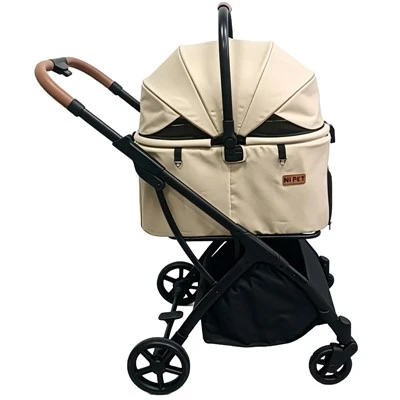
Baby Stroller As a Pet Supplies supplier, we’re always working to improve our rabbit products, and we’ve teamed up with rabbit veterinarians to create chew sticks that are tailored to different life stages: soft willow for kits (baby rabbits) that are teething, dense apple wood for adults needing extra grinding, and variety packs for multi-rabbit households. We also work with rabbit rescues across the country to donate chew sticks and educational materials, because we know that many new owners don’t have access to the right information when they first get a rabbit. If you’re a rabbit owner looking for safe, effective chew options, or if you’re a store or rescue partner looking to bulk order quality rabbit chews, we’d love to connect with you to discuss our product lines, custom bulk options, and support for rabbit welfare initiatives.
References
- Meredith, A. (2019). Dental care in rabbits. Journal of Exotic Pet Medicine, 28, 45-52.
- Harcourt-Brown, F. M. (2020). Nutrition and dental health of domestic rabbits. Veterinary Clinics of North America: Exotic Animal Practice, 23(2), 279-294.
- Rabbit Welfare Association & Fund. (2022). Domestic rabbit husbandry guidelines: Chewing and enrichment. Retrieved from rabbitwelfare.co.uk
Zhongshan Jingao Trading Co., Ltd.
We are one of the most professional pet supplies manufacturers and suppliers in China, featured by quality products and good service. Please rest assured to wholesale bulk pet supplies in stock here and get free sample from our factory. Customized orders are welcome.
Address: Caosan Zhuwei Industrial Zone, Guzhen Town, Zhongshan City, Guangdong Province
E-mail: kingloek@qq.com
WebSite: https://www.wellbestvip.com/
