Hey there! If you’ve ever ordered a takeout sandwich that stayed crispy through your commute, or a medicine blister pack that kept light from ruining the pills, you’ve probably interacted with aluminum foil laminated paper (let’s just call it AL foil laminate from here on—way easier). As a supplier of this stuff, I get so many questions in my DMs and inbox: “How’s this different from regular paper?” “Does it hold up in steam?” and the one I get at least twice a week: “What’s the haze value?” Aluminum Foil Laminated Paper
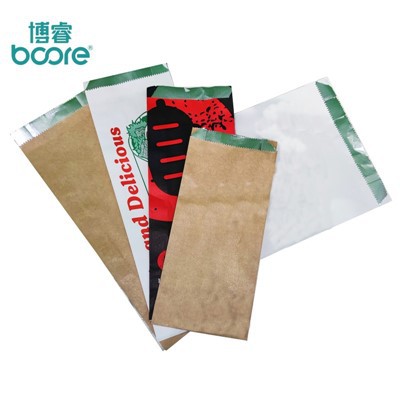
I used to roll my eyes a little at first—haze value sounds like some super technical lab term, right? But honestly, once I dug into it, it’s actually super important for anyone buying AL foil laminate, whether you’re packaging food, skincare, or even small tech parts. It’s not just a random number—it tells you how clear or opaque the material is, which directly impacts what you can use it for. Let me break this down like I would over coffee with a new client, no boring textbook jargon.
First, let’s get basics out of the way: AL foil laminated paper is basically a three-layer (sometimes more) combo: paper as the base, a thin aluminum foil layer, and a plastic film (usually PE or PET) as the outer or inner layer. That foil is the secret sauce—blocks light, keeps moisture out, stops oxygen from getting in. But the haze value? That’s all about light passing through the material. Haze is different from clarity, by the way. Clarity is how sharp you can see through something; haze is the tiny amount of light that scatters when it goes through, making it look a little milky or foggy instead of totally see-through.
Wait, but why does that matter for AL foil laminate? Because most of the time, we’re not making this to be 100% clear. If you’re packaging a bag of chips, you don’t want light getting in—light makes fats go rancid, and you’d rather customers not see the inside (or the crumbs floating around). But sometimes, like if you’re making a windowed food bag or a product where brand visibility matters, you need a little clarity without losing all the foil’s protective perks. That’s where haze value comes in.
Now, what’s the actual number we’re talking about here? Let’s keep it real—laboratory tests use a thing called a haze meter, right? The standard test is ASTM D1003, which measures the percentage of light that scatters more than 2.5 degrees off the straight path when passing through the material. For most standard AL foil laminated paper we supply, the haze value is anywhere from 85% to 98%. Hold on, before you panic—if you know what that means, that’s actually really high haze. Wait, let’s clarify: a lower percentage means less haze, so clearer material. So 90% haze means 90% of the light that scatters is over 2.5 degrees—so only 10% is clear, straight-through light. That’s exactly what most clients want, because we need that foil layer to keep light out, right?
But wait, we do make custom stuff too. If a client needs something a little clearer for a windowed package, we can tweak the lamination process to knock that haze down to 60% to 75%. I had a coffee roaster come to me last year—they wanted the bag to show off the golden beans but still keep light from making the coffee go stale. We adjusted the bonding between the foil and the film, used a thinner foil layer (without losing any barrier power), and got their haze down to 72%—perfect for their needs. They ended up ordering 50k rolls, so it worked out.
Let me get into why the number varies so much, because that’s the part most new buyers don’t get. Haze depends on three big things: how thick the foil is, what kind of plastic film we use, and how we laminate all the layers together. Thicker foil means more light scattering—so higher haze. If you use a clear PET film vs. a cloudy PE film, that’ll bump haze up or down too. Even the adhesive we use for lamination plays a role—some adhesives are milky, some are clearer, so that tiny layer can shift the haze by a few percentage points.
I’ve had clients call me asking for “the lowest haze possible” and then get confused when the material doesn’t block light like they need. Let me set the record straight: AL foil laminated paper isn’t like a glass window. You can’t get it to 5% haze (super clear) and still have the foil block 99% of light. That’s a trade-off. I always tell new clients: be specific. Do you need maximum light protection? Go for 95-98% haze. Do you need some visibility? 70-85% is your sweet spot. Anything lower than 60% and you’re basically using a clear film with a thin foil—losing most of the barrier power, which defeats the whole purpose of buying AL foil laminate.
Wait, let’s talk real-world examples so this isn’t just numbers. Take blister packs for prescription meds—those need to be almost totally opaque, right? You don’t want sunlight breaking down the active ingredients. Our standard haze for blister pack AL foil laminate is 96-98%—that’s exactly what the pharmacists and drug companies ask for. Then there’s snack packaging: if it’s a normal chip bag, it’s 90-95% haze, totally light-proof. But if it’s a special “window bag” for dried fruit, we drop it to 70-75% so you can see the fruit through the foil-laminate window without it going bad.
I should also mention that haze is different from opacity, which is another common mix-up. Opacity is how much light can’t pass through the material at all—so a totally opaque material has 0% light transmission. Our AL foil laminate has an opacity of over 99.9% for the standard grades, which is the big selling point for packaging that needs to protect contents from light. Haze is just the scattered light, not the total blocked light. That’s a key distinction I wish more people knew—no one wants to buy “low haze” and find out light is still getting through.
Now, let’s get into a common question: do different industries need different haze values? Heck yeah. As I mentioned, pharma is all about high haze (95%+) for maximum light block. Food and beverage varies—roasters, dried goods, need mid-haze, while frozen food that’s not light-sensitive might go a little lower. Skincare, like face oil packaging, needs high haze to keep UV rays from breaking down the oil’s ingredients. Even industrial stuff, like packaging for electronic parts that can get damaged by light, uses 90%+ haze.
Wait, I’ve had a client who works with craft candles reach out to me last month. They wanted packaging that showed the candle’s color through the material but kept light from melting the wax. We tried a few lamination tweaks, got their haze to 68%, and they were stoked. Said it’s way better than their previous plastic packaging that let UV fade the candle’s scent. That’s the fun part of this job—tweaking the haze value to fit exactly what someone needs, not just selling a one-size-fits-all roll.
Let me also address the elephant in the room: is there a “good” haze value? Nope, it’s all about application. If someone tells you “low haze is better,” they’re not thinking about what the material is for. I’ve seen suppliers cut corners by using a thinner foil to lower haze, but that hurts the barrier. Or use a cheap adhesive that makes haze low but makes the layers peel apart after a few months. As a supplier, I always prioritize the function first—so haze is just a measurement to get us to the right material, not the end goal.
How do we test haze in our facility, by the way? We use a basic haze meter that’s calibrated every month to make sure numbers are accurate. We take three different samples from every batch, test them, and average them. If a client asks for a custom haze, we can test prototypes before they place a big order—no guesswork, no surprises. I had a small bakery ask for custom wraps that showed their custom cookie designs through the laminate, so we made four prototypes with different haze levels, sent them samples, and they picked the one that let their design pop while keeping the cookies fresh for 2 weeks. That’s the kind of hands-on stuff we do here, not just big bulk orders.
Wait, let’s clear up another myth: do paper weights affect haze? A little, but not as much as foil thickness or the outer film. Thicker paper can scatter a tiny bit more light, but most of the haze in AL foil laminate comes from the foil and the plastic layers. For example, if you have a 50gsm paper base vs. a 70gsm base, the haze might shift by 1 or 2 percentage points, which is negligible compared to a 10gsm foil difference (which shifts it 5-10 points). So paper weight is more about durability than haze, which is good to know if you’re choosing between grades.
Now, why should you care about this as a buyer? If you’re sourcing AL foil laminated paper, not knowing the haze value means you might end up with something that doesn’t work for your product. If you buy high haze for a window bag, your customers can’t see what they’re paying for. If you buy low haze for light-sensitive food or meds, your product goes bad faster. It’s all about matching the haze to your needs, not just grabbing whatever’s cheapest.
I also get a lot of people asking if haze affects printing. Oh, that’s another big one! If you’re printing logos, product info, or designs on the laminate, higher haze might make the colors look a little muted. So if you have bold branding, you might want a lower haze (75-85%) so the printing pops. That’s another reason why haze matters beyond just light protection—for marketing and brand appeal. I had a client whose logo looked washed out on a 98% haze roll, so we swapped them to a 88% haze grade, and their sales went up a little because the packaging looked brighter. Small thing, but it makes a difference.
Let me wrap this up with something practical, since I’m a supplier, not just a lab nerd. If you’re shopping for AL foil laminated paper, don’t be afraid to ask about haze value. Tell us exactly what you’re packaging, how much light protection you need, if you need window visibility, and if your branding needs to pop. We can run a quick test, send you free samples with different haze levels, and find the exact number that works for you.

I know technical terms can be annoying, but haze value is actually one of the most useful specs for this material. It’s not just a number in a test report—it’s how you make sure your product stays fresh, looks good on shelves, and doesn’t get ruined by light. If you’ve been guessing about haze values, or if you need help figuring out what’s right for your project, hit me up. No pressure, just a quick chat to walk through your needs, maybe send some samples, and get you the right AL foil laminate for your business.
Food Packaging Film Series References
- ASTM International. Standard Test Method for Haze and Luminous Transmittance of Transparent Plastics (ASTM D1003). 2021.
- Hansen, N. et al. Barrier Properties of Aluminum Foil Laminated Packaging Materials for Food Applications. Journal of Packaging Science and Technology, vol. 29, no. 3, 2020, pp. 187-202.
- Paper and Plastics Industry Association. Specifying Laminated Packaging Materials for Light-Sensitive Products. 2022.
- Wang, L. et al. The Effect of Adhesive Layers on Haze Values of Flexible Packaging Laminates. Packaging Technology and Science, vol. 34, no. 6, 2021, pp. 245-258.
Qingzhou Bright Packaging Technology Co., Ltd.
As one of the leading aluminum foil laminated paper manufacturers and suppliers in China, we also support customized service. Welcome to wholesale high quality aluminum foil laminated paper at competitive price from our factory. If you have any enquiry about quotation, please feel free to email us.
Address: 1 Yanying Road, Naoshan Development Zone, Qingzhou, Shandong Province, China
E-mail: Sales12@brpack.com
WebSite: https://www.qzbrpack.com/
