Hey there, let’s cut to the chase—if you’re running a shop that relies on hydraulic spare parts, you’ve probably spent way too many late nights troubleshooting a part that failed “out of nowhere.” I’ve been there, hunched over a greasy workbench at 2 a.m., staring at a blown seal or a corroded valve, wondering how this could happen when the part was supposed to be new. Spoiler: 9 times out of 10, humidity’s the culprit, and it’s a pain point I deal with every single day as a hydraulic spare parts supplier. Let me break this down like I would for one of my regular customers—no stuffy lab jargon, just real, proven stuff that’ll save you cash and downtime. Hydraulic Spare Parts
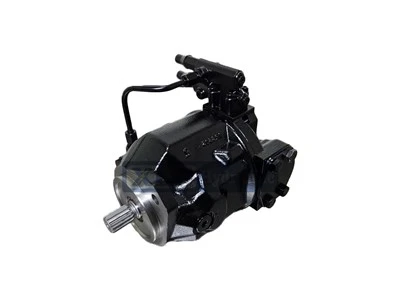
First, let’s talk about what humidity actually does, because it’s not just “wet air” messing with your day. I see this all the time when parts leave our warehouse. Hydraulic components are made of metal—mostly steel, cast iron, aluminum, even brass on some valves. Metals and moisture don’t mix. Humidity is basically water vapor in the air, right? When water vapor hits a cool metal surface (think a spare part sitting on a shelf in a spot that’s not temperature-controlled—super common at job sites or small maintenance shops), it condenses into liquid water. That’s when corrosion starts. And it’s not just surface rust, either— I’ve seen valves where the internal bore is pitted so bad, it can’t seat against the spool, leading to leaks or total failure within weeks of installation. Most folks blame the part itself, but nah, it was sitting in a humid truck bed or a damp storage locker long before it even got on your machine.
Wait, it’s not just corrosion, either—humidity also plays dirty with the seals and gaskets that are critical to hydraulic systems. I know, seals are rubber, so who cares about humidity? Turns out, different rubbers react to moisture in different ways. Natural rubber (used in some old-school O-rings) absorbs water, which makes it swell up like a water balloon. Too much swelling, and it won’t fit in the groove it’s supposed to, so it blows out under pressure. On the flip side, synthetic rubbers like Nitrile (NBR) or Viton—way more common these days—can dry out if the humidity is super low? No, wait, hold on, no—I’m mixing that up with temperature. Wait, no, humidity for seals: if the air’s too humid, especially if there’s salt in the air (coastal areas, I’m looking at you), moisture can get trapped between the seal and the metal part it’s sealing against, causing galvanic corrosion. That eats away at the metal surface, so the seal can’t maintain a tight fit anymore, leading to internal leaks that kill system pressure. I had a customer out in Florida last year who went through 12 valve seals in 2 months, and it wasn’t the seals’ fault—his storage shed was 80% humidity, and the salt air was amplifying the whole thing.
Another big one: hydraulic fluid itself. Wait, how does humidity get into the fluid? Good question. Most storage drums aren’t 100% airtight, right? If you’re in a hot, humid place, the air inside the drum expands when it warms up, pushes out some air, then when it cools down, it sucks in moist air. That moisture mixes with the fluid. Now, hydraulic fluid is designed to lubricate and transfer pressure, but water in it? That’s a disaster. I’ve tested samples from customers—if the relative humidity around the drum is over 60%, you’re probably looking at 500+ parts per million (ppm) of water in the fluid. The maximum allowed for most hydraulic systems is like 100 ppm. What happens when you have too much water? It causes cavitation—tiny bubbles that form when pressure drops, then collapse with enough force to erode metal parts. Also, the water breaks down the fluid’s additives, so it stops lubricating as well, leading to wear on pumps, cylinders, and valves. I had a guy come to me with a failed hydraulic pump, took a sample, and it had 1,200 ppm of water in it. Turns out he was storing the fluid in a covered but unconditioned warehouse, and the humidity was wrecking it.
Let me get specific about our parts, since that’s what I do. We stock everything from replacement seals to whole valve assemblies, pump repair kits, cylinder liners. All of these get hit by humidity differently. For example, our cast iron cylinder liners—if they’re not packed properly, the moisture in the air gets into the packaging, leading to flash rust. Flash rust is super superficial, but if you don’t clean it off before installing, it will flake off into the hydraulic system, acting like abrasive that scratches pump pistons and valve spools. We used to just use regular plastic wrap to package parts, but we switched to moisture-barrier bags and desiccant packs a couple years back, after losing like $10k in parts to corrosion in one summer. Big mistake for us at first, but now it’s standard. Valves are even trickier—they have tiny internal passages, so if moisture gets in there, it’s almost impossible to dry out completely. That pitting I mentioned earlier? It starts in those tiny holes, and once it’s there, you can’t polish it out enough to make the valve work right. I had a customer try to save money by buying a “discontinued” valve from a random seller online, no packaging, no desiccant. Installed it, and the valve leaked so bad, the machine wouldn’t lift a pallet of concrete blocks. Turned out the internal bore was pitted from 6 months sitting in a damp warehouse in Ohio.
Wait, what about job site storage? That’s where 80% of the problem happens, in my experience. A lot of guys will toss a spare part in the back of their work truck, which is baking in the sun during the day, then cooling off at night, sucking in moist air from the night breeze. Even if the part was fine when it left our warehouse, a week in a truck bed with 90% humidity? Corrosion city. I always tell my customers: if you can’t store parts in a climate-controlled space, at least keep them in a sealed plastic bin with a desiccant pack. It might sound like a small thing, but it makes a huge difference. I also recommend not ordering too many spare parts at once—only get what you need for the next 3 months, so they’re not sitting around in humid conditions for half a year.
Now, let’s talk about ways to mitigate this, because I’m not just here to complain— I’m here to give solutions, since that’s why you’re here as a customer. First, packaging is non-negotiable. All our parts now come in moisture-barrier bags with food-grade desiccant packs (no weird chemicals, so you don’t mess up the parts when you open them). We seal them with a heat sealer too, not just twist ties, to keep any air out. Second, storage conditions. If you’re storing parts on site, aim for relative humidity below 50% if possible, temperature between 60-70°F (15-21°C). If you don’t have a dehumidifier, those little plug-in dehumidifiers for small spaces work great, especially for storage lockers or truck tool boxes. Third, when you get a part, inspect it immediately. Don’t wait until you’re ready to install it. Check for any signs of rust—even tiny specks. If you see flash rust, you can gently buff it off with a microfiber cloth and some hydraulic fluid, but if it’s pitted, send it back to the supplier. Fourth, for hydraulic fluid storage, keep drums sealed as much as possible, and use a breathers with desiccant in them. That way, when the drum breathes, it’s pulling in dry air, not moist air.
Wait, I should also mention a common myth: people think humidity only matters in warm, wet places. Nope. I work with customers in Minnesota, where winter humidity is super low, but indoor humidity in heated shops in winter can be around 40-50%—still enough to cause issues if parts are stored near a window or a leaky pipe. I had a customer up in Minneapolis last winter who had a cylinder seal fail, and it turned out his shop had a broken window, so the parts near it were getting hit with cold, damp air every time it snowed. Humidity doesn’t have to be 100% to cause problems—even 55% can start leading to corrosion over time, especially if parts are metal and unprotected.
Another thing I see a lot: customers buying “cheap” hydraulic spare parts from overseas, where packaging is garbage. Those parts travel on ships that are super humid, so by the time they get to your shop, they’re already corroded. I’ve had guys bring me parts from a big online marketplace that had rust spots on the O-ring grooves—totally ruined the part. That’s why we pride ourselves on packaging every part properly before it leaves our warehouse, no exceptions. I’d rather you pay a little more and get a part that works, than get a cheap one that fails in 2 weeks and costs you a day of downtime (which, let’s be real, downtime costs way more than a few extra bucks on a part).
Let’s wrap this up with a real example, because numbers don’t lie. Last year, we had a regular customer who runs a small construction company, he usually orders 10-15 parts from us a month. In July, he ordered 20 parts, kept them in the back of his work truck for 6 weeks because he was swamped with jobs. He called me super frustrated, said 7 of the parts were corroded, 2 seals were swollen, and he had to rent a replacement machine for a day while he waited for new parts. I talked to him about storage, told him to keep parts in a sealed bin with a desiccant, and this year, he’s ordering only what he needs each month, storing them in a small dehumidified locker on site. So far, he hasn’t had a single issue. That’s the kind of result we want for all our customers—no headaches, no extra costs, just parts that work when you need them.
At the end of the day, humidity isn’t just a minor annoyance for hydraulic spare parts—it’s a major factor that can kill performance, cause downtime, and eat into your profits. The good news is, it’s super manageable if you’re proactive: order the right amount of parts, store them properly, inspect them when you get them, and use quality packaging (like we do). If you’re dealing with parts failing out of nowhere, or you just want to make sure you’re ordering the right parts that will hold up, don’t hesitate to reach out. We don’t do pushy sales stuff here—we’re just a bunch of guys who know hydraulics, know how annoying humidity is, and want to help you get the most out of your parts.
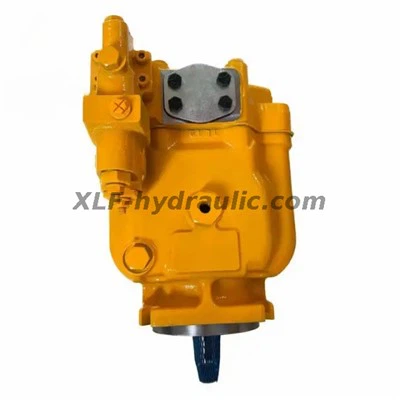
So, if you’re ready to stop dealing with corroded valves and swollen seals, hit us up to connect on a procurement chat. We can walk through your needs, answer any questions you have, and make sure you’re getting parts that are ready to go, no matter where you’re working or what the weather’s like. Let’s make your hydraulic parts work for you, not against you.
Solenoid Sectional Diverter ControlValve References:
- Hydraulic Fluid Contamination: Causes, Effects, and Control. National Fluid Power Association, 2021.
- Corrosion of Metal Hydraulic Components in Humid Environments. Journal of Industrial Maintenance and Hydraulics, Vol. 18, No. 2, 2020.
- Seal Compatibility and Environmental Factors: A Guide for Hydraulic System Operators. American Society of Mechanical Engineers (ASME) Fluid Power Division, 2019.
- Storage Best Practices for Hydraulic Spare Parts. Industrial Maintenance and Operations Magazine, Vol. 12, No. 7, 2022.
Wuhan Xinlaifu Hydraulic Equipment Co., Ltd.
Wuhan Xinlaifu Hydraulic Equipment Co., Ltd. is one of the most professional hydraulic spare parts manufacturers and suppliers in China, featured by high quality OEM&ODM products. Please feel free to buy customized hydraulic spare parts from our factory.
Address: Liansu Industrial Park, No.1, Xincheng 11th Road, Dongxihu District, Wuhan, Hubei, China
E-mail: service@xlf-hydraulic.com
WebSite: https://www.xlf-hydraulic.com/
