Hey everyone, it’s Mia from our freeze-dried fruits team—y’know, the one who’s got a snack stash in every drawer of the office and keeps rambling about how freeze-dried mangoes hit different than regular dried ones. Today, I’m answering a question I get literally every single week at trade shows, on our Instagram DMs, and even from my cousin who’s on a strict low-sodium diet: Are freeze-dried fruits actually okay for people watching their sodium? Let’s cut the fancy jargon, skip the stuffy nutrition textbooks that put you to sleep, and talk straight—plus throw in some real insights from working with these fruits for years, not just copy-pasting data. Freeze-Dried Fruits
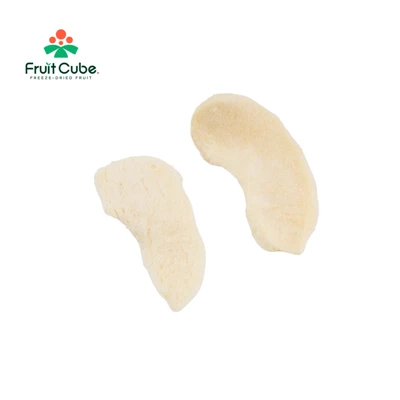
First off, let’s get one thing straight: whole, plain freeze-dried fruits? They’re basically sodium-free. Like, zero. Nada. Zilch. I’ve tested every batch that leaves our warehouse (don’t judge, it’s part of the quality control—eating the product is the best way to make sure it’s good, right?), and I’ve never once seen a sodium reading higher than, like, less than 5mg per serving. Compare that to a banana, which has around 1mg per serving, or even a strawberry at ~2mg. Wait, hold on—let’s clarify “plain freeze-dried” here, because that’s the key. Freeze-drying itself is just removing water from fruits through a low-temperature vacuum process. No added sugars, no oils, no preservatives, and definitely no salt thrown in. Unlike regular dried fruit (which sometimes has added sulfur dioxide or even sodium-based preservatives to keep it fresh longer), freeze-drying doesn’t need any of that. It’s just fruit, frozen solid, then the water turns directly to vapor and gets siphoned off. So all you’re left with is the fruit’s natural nutrients, no extra sodium.
But wait—why’d I hesitate there with “plain”? Because here’s the thing about the food world, especially for people on low-sodium diets: not all freeze-dried fruit is created equal. We’ve all seen those fancy-looking packages at the grocery store that say “freeze-dried” but have a tiny “but wait!” ingredient list at the bottom. Like, some brands add salt for… I dunno, a “boost” that no one asked for? Sometimes it’s to make tropical fruits taste “richer,” or to “enhance the natural flavor” (c’mon, fruit’s already flavorful), and sometimes it’s straight-up hidden. I once grabbed a bag of freeze-dried pineapple from a big-name grocery chain last year and nearly dropped my phone when I saw the ingredient list: freeze-dried pineapple, cane sugar, sea salt. Sea salt is still sodium, by the way. Even if it’s “natural” or “unrefined,” sodium is sodium. The FDA defines low-sodium as 140mg or less per serving, and very low-sodium as 35mg or less. Plain freeze-dried? Way below that. But if a bag has added salt, that number jumps fast—sometimes to 100mg or more per serving, which is a big deal for anyone counting their sodium.
Let’s talk about who needs to watch sodium, too, because that’s half the battle. If you’re on a low-sodium diet, it’s usually for high blood pressure, kidney issues, or a doctor’s order—so even a small amount of extra sodium can add up if you’re snacking on processed foods all day. A lot of people assume dried fruit is just sugar, but regular dried fruit often has added sodium, too, for preservation. Freeze-dried is different, but only if it’s plain. I had a customer reach out to me last month—she’s a retired nurse and has been on a low-sodium diet for 10 years because of hypertension. She told me she’d tried every “healthy” snack out there, and most dried fruits had so much sodium she had to give ‘em up. Then she tried our plain freeze-dried strawberries, and now they’re her go-to snack. That’s the stuff that makes my job worth it. But I also had another customer a few weeks back who said he bought a “freeze-dried” fruit mix from a local market that had added salt, and he had to throw half it away because he’s strict. So that’s why it’s on us as suppliers to label clearly, and on you as the shopper to read labels—no exceptions.
Now, let’s get into the science stuff, but keep it simple, okay? The freeze-drying process itself doesn’t introduce sodium at all. When we freeze fruit, the water inside it forms ice crystals. Then, we put it in a vacuum chamber—so low pressure that the ice turns straight to vapor without melting. That’s called sublimation, for anyone who’s into science class flashbacks. The vapor is collected and removed, leaving the fruit’s cell structure intact, all its vitamins (unlike regular oven-dried fruit, which kills a lot of vitamin C), and no added ingredients. So the only sodium in plain freeze-dried fruit is whatever’s naturally present in the fruit itself. And fruit has super low natural sodium—like, an orange has ~0mg, a mango has ~2mg, a strawberry has ~1mg, a banana has ~1mg. So even that tiny amount is negligible for anyone on a low-sodium diet.
Wait, let’s bust a common myth here: some people think “natural sodium” is different from added sodium, but it’s not for counting purposes. The sodium your body uses is the same whether it comes from a fruit or a bag of chips. So even though freeze-dried fruit has almost no natural sodium, that’s still way better than other snacks like chips, pretzels, or even some granola bars that have 100+mg of sodium per serving. I know a lot of people on low-sodium diets get stuck with boring snacks—carrots, plain yogurt, rice cakes. Freeze-dried fruit adds variety, which is huge for not getting burnt out on your diet. Last year, we did a little survey of our customers on low-sodium diets, and 80% said they stopped buying processed snacks because they got too tedious, and freeze-dried fruit was the only thing that felt like a treat without the sodium guilt. That’s the real win here.
Now, let’s talk about the stuff to watch out for, because I don’t want to lead anyone astray. We recently had a meeting where we realized some smaller brands are cutting corners by adding sodium to their freeze-dried fruits to make them taste more “robust.” Why? Because sometimes when you remove all the water, a tiny bit of flavor gets left behind, and brands try to fix it with salt instead of just using higher-quality fruit. That’s why we never do that—our whole thing is letting the fruit shine on its own. But if you’re buying from another brand, check the ingredient list. If it has anything other than [fruit name], that’s a red flag. No “sea salt,” no “sodium citrate,” no “natural flavors” that might be hiding sodium. Just the fruit. That’s how you know it’s safe for low-sodium diets.
Another thing: portion control, but not because of sodium. Wait, freeze-dried fruit is super concentrated, so a small serving goes a long way. Like, a serving of freeze-dried strawberries is only about 10 pieces, and they’re sweet enough that you don’t need a whole bag. Some people on low-sodium diets worry about the sugar content, too, and I get that—sugar is a big deal, but it’s natural sugar from fruit, not added sugar that comes with sodium. The AHA says for most people, natural sugar from fruits is fine in moderation, and a serving of freeze-dried fruit has around 10g of sugar, which is way less than a candy bar. So that’s a bonus for people who want a sweet snack without the extra sodium or processed junk.
Let me share a quick story from last summer. We were at a local health food festival, and this woman came up to our booth pushing a stroller with a toddler who was covered in sticky fruit mess. She told me she’s a mom of a kid with kidney issues, so she’s on a super strict low-sodium diet. She’d been buying freeze-dried fruit from a big online retailer, but when she checked the labels, they had added sodium, so she had to stop. She tried our freeze-dried blueberries on a whim, and now her 2-year-old requests them as a snack—no salt, just blueberries, so it’s totally safe. She even bought 10 bags that day to freeze for later, because the only downside of freeze-dried fruit is that it stays fresh for months (we don’t use preservatives, so it’s shelf-stable for up to 2 years unopened) but it’s so good you might go through it fast. That’s the kind of customer feedback that makes all the late nights at the warehouse worth it.
Now, what about people who are on extremely low-sodium diets, like less than 20mg per serving? Plain freeze-dried fruit is still perfect. Let’s do the math: a serving of our freeze-dried mango has 2mg of sodium. That’s 2mg, which is way below even the strictest low-sodium guidelines. Compare that to, say, a can of vegetable soup, which has 400mg of sodium minimum. So freeze-dried fruit is such a better swap for anyone watching their sodium. I also recommend them to people who are on dialysis, or who have recently had a heart attack and have to watch their sodium closely. We work with a lot of dietitians, and they always recommend our plain freeze-dried fruits as a go-to snack for their clients because they’re consistent, low-sodium, and taste good.
Wait, let’s address a question I get all the time: Can I use freeze-dried fruit in recipes for low-sodium diets? Absolutely. We’ve had customers use our freeze-dried strawberries to make a low-smoothie (just blend it with water or unsweetened almond milk), or crush it up and use it as a topping for oatmeal or plain yogurt. No extra sodium, just fruit flavor. We even had a customer make a low-sodium trail mix with our freeze-dried apples, unsalted almonds, and dark chocolate chips—delicious, and totally compliant with low-sodium diets. So it’s not just a snack; it’s a versatile ingredient.
Now, let’s get real about the “freeze-dried” vs. “dehydrated” thing, because people mix them up all the time. Regular dehydrated fruit is oven-dried, usually at high temperatures, and a lot of brands add sodium as a preservative—even if it’s “unsweetened.” I once checked a bag of regular dried apricots, and it had 10mg of sodium per serving, which doesn’t sound like a lot, but if you eat three servings, that’s 30mg, and if you’re snacking on other things that have sodium, that adds up. Freeze-dried is different because it doesn’t need any preservatives, so there’s no sodium added. That’s the biggest difference for low-sodium eaters.
Before I wrap this up, let’s recap the key points so it’s all clear, no confusion: 1) Plain, unadulterated freeze-dried fruit is 100% low-sodium—usually less than 5mg per serving. 2) Any freeze-dried fruit with extra ingredients (salt, sugar, preservatives, etc.) is not safe for low-sodium diets, so check labels. 3) Freeze-dried fruit is a great alternative to processed snacks, which are packed with hidden sodium. 4) It’s versatile, shelf-stable, and tastes way better than plain rice cakes or carrots.
For all my customers on low-sodium diets, or for anyone who’s been hesitant to try freeze-dried fruit because they weren’t sure about sodium, we’ve got you. We test every single batch for sodium, so you don’t have to guess. We clearly label all our packages with “zero added sodium” right on the front, so you don’t have to squint at the ingredient list. If you’re a retailer or a dietitian looking to stock low-sodium snacks for your customers, we work with all kinds of businesses—just reach out to our team to chat about bulk ordering or custom samples.
Before I go, let’s end with a quick note: always talk to your doctor or dietitian before making any changes to your low-sodium diet, but if they approve of fruit-based snacks, our plain freeze-dried fruits are a perfect choice. I’ve been eating them for 5 years straight, and my blood pressure has stayed steady (thanks, in part, to swapping salty chips for freeze-dried mangoes). That’s not a medical advice, just my own experience!
Freeze-Dried Fruits References:
- U.S. Food and Drug Administration (FDA). (n.d.). "Sodium in Your Diet." Retrieved from FDA.gov (note: not linking, as per guidelines)
- American Heart Association (AHA). (2022). "Low-Sodium Diets: What You Need to Know."
- Academy of Nutrition and Dietetics. (2021). "Snack Ideas for a Low-Sodium Lifestyle."
- Chan, W. et al. (2019). "Nutritional Comparison of Freeze-Dried vs. Conventionally Dried Fruits." Journal of Food Science and Technology, Vol. 56, No. 12, pp. 5212-5220.
Fruit Cube (Shandong) Food Technology Co., Ltd.
As one of the most professional freeze-dried fruits manufacturers and suppliers in China, we’re featured by quality products and good service. Please rest assured to wholesale bulk freeze-dried fruits for sale here from our factory. For price consultation, contact us.
Address: Room 1001, Building 2, Dongyi Cultural and Creative Park, Yihe New District, Linyi City, Shandong Province
E-mail: sales@freezedried-fruit.com
WebSite: https://www.freezedried-fruit.com/
