When I started working as a solar DC cables supplier five years ago, I learned something the hard way: even the best solar panel system can fail if its DC cables aren’t installed right. I used to get calls from installers saying their systems were dropping voltage or tripping breakers within months, and most of the time, the issue traced back to a simple installation mistake—nothing to do with the cable quality I sent over. That’s why today, I want to break down exactly how installers can protect their work, avoid those preventable headaches, and keep solar DC cables safe from the start. Solar DC Cables
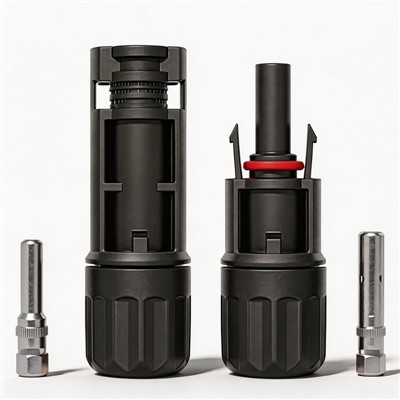
First, let’s talk about choosing the right cable for the job. I know it’s tempting to grab whatever’s in stock, but not all solar DC cables are created equal. A lot of installers mix up general-purpose DC cables with the ones designed specifically for solar applications. Solar DC cables, like the ones we supply, are rated for UV resistance, extreme temperatures (both sweltering summer heat and freezing winter cold), and the specific voltage and current of your system. Using a cable rated for less than your project’s needs is a quick path to insulation breakdown. For example, a residential rooftop system might need 10AWG for runs under 50 feet, while a large commercial ground-mount system might require 8AWG for longer runs to minimize voltage drop. Always cross-check the cable’s voltage rating with your array’s maximum DC voltage—undersizing here leads to overheating and fire risks.
Next, let’s get the basics of sizing and routing right. Too many installers overlook voltage drop, and while a little drop is inevitable, too much wastes energy and puts extra strain on your inverter. The rule of thumb I share with our regular customers is that voltage drop should never exceed 2% for the entire DC circuit. To calculate that, you need to account for the length of the cable run and the current it’s carrying. Longer runs need thicker gauge cables, and that’s where clear documentation from your panel specs helps. Then there’s routing: don’t run solar DC cables alongside AC power lines or metal pipes without proper separation. Crossing AC and DC lines creates electromagnetic interference that can cause signal issues, and running cables directly on hot roof surfaces can raise their operating temperature beyond their rating. Use cable trays, clamps, or conduit designed for outdoor use to keep cables elevated and protected from sharp edges that could nick the insulation. I’ve seen too many installers skip protective conduit for rooftop runs, and a single sharp edge from a roof tile can lead to a frayed cable, exposed conductors, and a short circuit.
Termination is another make-or-break step. Even a great cable will fail if it’s terminated poorly. That means stripping the insulation correctly—too much and you expose extra conductor, too little and your connector won’t seat right. Use a crimping tool specifically designed for solar cable lugs and connectors; pliers or generic crimpers won’t create a secure, weather-tight connection. Loose crimps cause arcing, which is a major fire hazard, and over-crimping can damage the conductor itself. Also, make sure all connections are tight, but don’t over-tighten—over-torquing can crack the connector or strip the threads. We include a torque wrench with every bulk cable order for this exact reason, and I tell installers to double-check every single connection after they finish installing, not just before they power on the system.
Environmental protection is non-negotiable too. Solar DC cables are exposed to the elements 24/7, so their connectors and terminations need to be sealed against moisture, dust, and insects. Rain, snow, and humidity can get into unprotected connections and cause corrosion, which degrades performance over time. Even small rodents can chew through unprotected cables if they’re run near ground level—so use durable, chew-resistant conduit for ground-mount runs. Also, if you’re splicing cables, use heat-shrink tubing or waterproof junction boxes rated for outdoor use, not just electrical tape. Tape dries out and cracks after a year or two, leaving the connection exposed. We recommend our customers use junction boxes with IP67 ratings for all underground or outdoor splices, as those are designed to stay watertight no matter how heavy the rain gets.
Testing after installation is a step a lot of installers rush through, but it’s critical for catching issues before they become big problems. Before connecting the system to the inverter, use a multimeter to check for continuity between conductors and make sure there are no short circuits. Test the insulation resistance too—this tells you if there’s any leakage current between the cable conductors and the ground, which would mean damaged insulation. I always advise installers to do a second test a week after the system is up, just to confirm nothing shifted during the initial start-up. We even include a quick testing guide with every cable shipment, because knowing how to use a multimeter for solar-specific tests isn’t common knowledge for every installer.
Now, I want to be clear: none of this is to blame installers for mistakes, because there are a lot of moving parts in a solar project. That’s why we work closely with our clients to answer questions and provide guidance at every stage. If you’re a smaller installer just starting out, or a larger company looking to standardize your practices, we can share best practices tailored to your projects. Whether you need help choosing the right gauge for a commercial ground-mount array, or tips on sealing terminations on a rooftop residential system, our team is here to support you.
At the end of the day, safe installation of solar DC cables isn’t just about following rules—it’s about protecting your work, your customers, and their investment. A safe, well-installed solar system lasts longer, performs better, and avoids costly callbacks. If you’re ready to source reliable solar DC cables and get expert advice on your next installation project, reach out to our team to discuss your needs. We’re here to help you get it right the first time, every time.
Containerized Energy Storage Systems References
- National Electrical Code (NEC) 2020, Article 690: Solar Photovoltaic Systems
- International Electrotechnical Commission (IEC) 60364-7-712: Electrical installations of buildings – Part 7-712: Requirements for special installations or locations – Solar photovoltaic power supply systems
- Underwriters Laboratories (UL) 4703: Standard for Safety for Photovoltaic Cables
- Solar Energy Industries Association (SEIA) Installation Best Practices Guide, 2022 Edition
- Institute of Electrical and Electronics Engineers (IEEE) 1547: Standard for Interconnection and Interoperability of Distributed Energy Resources with Associated Electric Power Systems Interfaces
Tianjin Xilingke New Energy Technology Co., Ltd.
As one of the most professional solar dc cable manufacturers and suppliers in China, we’re featured by quality products and low price. Please rest assured to wholesale durable solar dc cable made in China here from our factory. For quotation, contact us now.
Address: Suite 2601, Tower B, Wanghai International, Haihe East Road, Hebei District, Tianjin, China.
E-mail: robin@sinelinkev.com
WebSite: https://www.sinelinkenergy.com/
