If you’ve ever run your fingers over a cozy hand-knit sweater with subtle color pops, a thick tweed scarf that catches the light, or a delicate lace shawl with tiny, raised flecks, you’ve interacted with a fancy yarn. As a fancy yarn supplier who’s worked with designers, knitwear brands, and small craft teams for over a decade, I can tell you this: fancy yarn isn’t just “pretty regular yarn.” It’s a category of textile engineered to add texture, depth, and character to fabrics that plain single or plied yarns simply can’t deliver. What sets fancy yarn apart is its structure—unlike standard yarns, which are designed for consistency, fancy yarns are intentionally irregular, blending different fibers, twist levels, and shapes to create visual and tactile interest. But here’s the thing: not all fancy yarns are the same. Over the years, I’ve seen brands reach for the wrong type for their project, leading to frustration with drape, durability, or cost. That’s why I want to break down the main types of fancy yarn, how they’re made, and when to use them, so whether you’re a designer sourcing for a collection or a maker searching for the perfect yarn for your next piece, you’ll know exactly what to ask for. Fancy Yarn
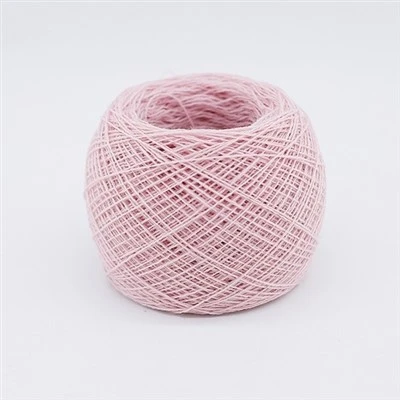
First, let’s start with the most iconic type of fancy yarn: slub yarn. Slub yarn is probably the one you recognize most, even if you don’t know the name. Those uneven, thick-and-thin spots that run along its length? That’s the slub, a deliberate flaw (for lack of a better term) that gives the yarn a relaxed, organic, hand-spun vibe. Slub yarn is made by adjusting the spinning process during production: a machine feeds extra fiber into the yarn intermittently, creating thicker sections, while the twist is reduced in those spots to keep them soft rather than stiff. I’ve supplied slub yarn for everything from casual sweaters that feel lived-in to lightweight summer scarves—its irregularity hides small imperfections in construction, so even a beginner knit piece looks intentional. But it’s not one-size-fits-all: cotton slub yarn is perfect for breezy tops, while wool slub adds warmth and depth for outerwear. One tip I always share with new customers: go for a slub with evenly spaced, gentle thicknesses if you want a polished look, or a more pronounced slub for a rustic, bohemian aesthetic. I once worked with a small sustainable brand that used a 100% organic cotton slub for their line of tote bags, and customers loved that each bag felt unique—no two slubs were exactly the same, which became a selling point.
Next up: bouclé yarn. If slub is organic and relaxed, bouclé is playful and tactile. Characterized by tight, looped curls scattered along its core, bouclé gets its whimsical texture from a specific spinning method: two yarns are twisted together—one core yarn (usually smooth, for structure) and a loop yarn, which is wrapped around the core at intervals to form those tiny, bouncy loops. What I love about bouclé is its versatility: it adds instant texture to projects without being heavy. I’ve seen bouclé used for baby blankets (the loops feel soft against sensitive skin), statement sweaters (the loops catch light to create a subtle sheen), and even upholstery yarn, because the dense loops are durable. But bouclé does have a few quirks: it’s bulkier than regular yarn, so it can stretch more than you might expect, and the loops can catch on hardware or sharp edges if you’re making accessories like bags. A common mistake new buyers make is thinking bouclé is just for knitwear—last year, I supplied a bouclé blend of merino wool and nylon to a shoe brand, and they used it to line winter boots; the loops added insulation while keeping the inside soft. If you’re looking for a yarn that turns a simple stitch, like garter stitch, into something visually complex, bouclé is the way to go.
Then there’s chenille yarn. Chenille is known for its velvety, pile-like surface—run your hand over it, and it feels like soft fabric rather than yarn. The name itself comes from the French word for “caterpillar,” which makes sense when you look at its shape: it’s a flat, fuzzy yarn with short fibers sticking out all around, creating that plush finish. Unlike most yarns, which are spun from fibers, chenille is actually made in a two-step process: first, small strips of fabric (usually cotton, acrylic, or wool) are cut to form the “pile,” then these strips are twisted around a core yarn to hold them in place. I’ve supplied chenille for luxury throws, plush toys, and high-end upholstery—its softness makes it a favorite for items that are meant to be touched. But chenille isn’t for every project. It’s heavy, so it’s not ideal for lightweight summer garments, and the fuzzy surface can make stitches look more solid than lacy, so lace designers usually steer clear. That said, when a brand wants a sweater that feels like a hug, chenille is unbeatable. A few years back, I worked with a boutique that created a line of loungewear using a 100% cotton chenille, and their return rate for comfort issues was zero—customers raved about how it felt softer than their old sweaters.
Moving away from fuzzy, looped textures, we have metallic yarn. If slub, bouclé, and chenille are about tactile texture, metallic is all about visual pop. These yarns are made by wrapping a thin layer of metal (usually aluminum or copper) around a core of cotton, polyester, or viscose, or by printing metallic foil onto a synthetic fiber. For decades, designers have used metallic yarn for holiday collections, evening wear, and accessories, but modern metallic yarns are much more refined than the scratchy, stiff ones of the past. I now supply a blend of polyester and metallic thread that’s soft enough for scarves and sweaters, not just special occasion pieces. One thing to note: metallic yarn has a lower stretch than natural fibers, and the metal can break if twisted too tightly, so it’s best for patterns with large, loose stitches (like garter stitch or stockinette) rather than tight cables. I once helped a bridal accessory designer who was struggling with a cheap metallic yarn that frayed mid-production—switching to my durable metallic blend fixed the issue, and her beaded shawls became a bestseller. It’s also important to match the metallic finish to the project: a matte metallic is great for a subtle, understated sheen, while a high-shine metallic adds drama for events.
Another type I’ve seen grow in popularity is tape yarn. Tape yarn is flat, ribbon-like, instead of the round shape of most yarns. It’s made by cutting wide strips of fiber (cotton, nylon, or even recycled plastic) into thin, flexible ribbons, then twisting them slightly during processing. What makes tape yarn unique is its wide, flat profile: it creates crisp, defined stitches, so it’s often used for geometric patterns, bags, and structured outerwear. I love tape yarn for summer projects because it’s lightweight, breathable, and doesn’t hold heat like wool or acrylic. A recent customer, a small handbag maker, used a cotton tape yarn in natural tones to create a line of tote bags, and their customers loved that each bag had a smooth, structured shape without being stiff. That said, tape yarn can be prone to fraying if the edges aren’t sealed, so I always recommend a tape yarn with heat-sealed edges if you’re using it for projects that will get a lot of wear and tear, like bags or floor mats. It’s also not ideal for projects with lots of small, detailed stitches—its flat shape can make tiny stitches look bulky or uneven.
We can’t talk about fancy yarn without mentioning knot yarn, a more playful, decorative type that’s great for statement pieces. Knot yarn is made by tying small, uniform knots along a core yarn, creating raised, rounded nodes that add both texture and visual interest. Unlike slub, which is irregular, the knots in knot yarn are usually evenly spaced, giving it a more intentional, whimsical look. I’ve supplied knot yarn for scarves, pillow covers, and even wall hangings—its knots add a three-dimensional quality that makes plain stitches look dynamic. A common use case is for fall home decor: a neutral wool knot yarn woven into a throw pillow adds warmth and texture without overwhelming a room. That said, knot yarn can be bulky, so it’s best for projects that don’t require a lot of drape, like pillows or shawls, rather than fitted garments. I once worked with a craft studio that used knot yarn to make kids’ costumes for a local theater production, and the knots helped the costumes stand out on stage without adding too much weight.
There’s also sequin yarn, a close cousin to metallic and knot yarns that adds a glamorous, sparkling touch. Sequin yarn is made by attaching small, flat sequins at regular intervals along a core yarn, either by hand or by machine. It’s different from using loose sequins because it’s already integrated into the yarn, so it’s easier to work with and less likely to fall off during construction. I’ve supplied sequin yarn for evening gowns, party dresses, and holiday decorations—its sparkle turns a basic knit or weave into something special. The key with sequin yarn is choosing the right size sequin for your project: small sequins (2mm-4mm) are subtle and great for everyday pieces, while large sequins (8mm+) make a bold statement for events. I once helped a bridesmaid dress designer source a silver sequin yarn with 3mm sequins for a line of simple slip dresses, and it added just enough sparkle to feel special without competing with the bride’s gown.
Now, as a supplier who’s spent years hearing from customers about what works and what doesn’t, it’s worth mentioning a few tips to get the most out of fancy yarn. First, always test a swatch before committing to a large project. Fancy yarns can have unexpected drape—slub and bouclé might be softer than you expect, while chenille and tape yarn might be stiffer. Knit a small swatch with your chosen needles and stitch pattern to check how the yarn looks and feels, and make sure you have enough yarn: since each skein is unique (especially slub, knot, and metallic yarn), it’s easy to run out mid-project. Second, match the yarn type to the project’s purpose. If you’re making a baby blanket, avoid bouclé yarn with loose loops that could come off and be a choking hazard—opt for soft, closed chenille or a smooth cotton slub. If you’re making a winter sweater, a wool blend slub or chenille will keep you warm, while a lightweight tape or cotton slub is perfect for summer.
Over the years, I’ve also seen trends shift—10 years ago, bouclé was mostly used for outerwear, while today it’s a staple for loungewear and baby products. Recycled fancy yarns are also in higher demand now; I now supply slub and tape yarns made from recycled cotton and plastic bottles, which is a big selling point for brands focused on sustainability. But no matter the trend, the core of fancy yarn remains the same: it’s a way to add personality and uniqueness to fabrics that plain yarns can’t replicate.
If you’re a designer, maker, or brand looking for the right fancy yarn for your next project, whether it’s a collection of sweaters, a line of accessories, or custom home decor, I’m here to help. I work with small craft teams and large brands alike, offering a range of natural, synthetic, and recycled blends, and I can guide you to the right type of fancy yarn based on your project’s needs, budget, and aesthetic. Don’t hesitate to reach out to discuss your requirements, ask questions, or request samples to test for yourself.
Fancy Yarn References:
- Cook, J. (2021). Textile Yarns: Technology, Structure, and Applications. Woodhead Publishing.
- Miller, S. (2019). Fancy Yarns: A Guide to Types, Uses, and Construction. Interweave Press.
- Zhang, L. (2022). Sustainable Textile Fibers and Yarns for Modern Apparel. Journal of Textile Science and Fashion Design.
- International Textile Manufacturers Federation. (2020). Global Trends in Fancy Yarn Production and Consumption. ITMF Annual Report.
Huangshan Aotai Textile Co., Ltd.
As one of the most professional fancy yarn manufacturers and suppliers in China, we’re featured by quality products and good service. Please rest assured to wholesale bulk premium fancy yarn in stock here and get quotation from our factory. We also accept customized orders.
Address: Development Zone, Bei’an Town, She County, Huangshan City, Anhui Province
E-mail: aotaifangzhi2007@163.com
WebSite: https://www.cn-aotai.com/
