What Is Off-Grid Home Energy Storage? Home Energy Storage

If you’ve ever stood in the middle of a neighborhood after a storm, watching dark house windows and listening to the low hum of generators down the street, you know how critical reliable power is. For too many homeowners, grid outages aren’t rare emergencies—they’re a regular hassle, thanks to aging power infrastructure, extreme weather events that are growing more frequent, and rising energy costs that make monthly bills feel harder to manage. That’s where off-grid home energy storage comes in, and as someone who’s been in the home energy storage supply business for over a decade, I’ve seen first-hand how this technology isn’t just a luxury—it’s a solution that changes how people live, work, and prepare for whatever comes next.
Let’s break this down simply, no jargon required. Off-grid home energy storage is a system of rechargeable batteries that stores electricity generated from solar panels, wind turbines, or even the grid itself, and lets you power your entire home independently of the traditional utility grid. Unlike grid-tied systems that rely on the power company to feed you electricity when your panels aren’t producing, an off-grid setup means you don’t have to worry about outages. It’s designed to work entirely on its own, powering your fridge, HVAC, lights, and electronics 24/7, no matter what’s happening with the local power lines.
A lot of folks I talk to confuse off-grid with backup generators, and that’s a fair mix-up. Generators burn fuel (gas, propane, diesel) to make power, which means you’re stuck storing fuel, dealing with noisy fumes, and paying for fuel every time you need to use it. Off-grid storage systems run silently, use no fuel after installation, and tap into renewable energy to keep your home powered. For homeowners who live in remote areas where running power lines is prohibitively expensive, or for anyone who wants to cut their utility bills by relying less on the grid, off-grid storage fills a gap that generators just can’t match.
Now, how does it actually work? Let’s walk through the basics of a typical system. First, you have your energy source—most often rooftop solar panels installed on your home. Those panels capture sunlight and convert it into direct current (DC) electricity. Then comes the inverter, the heart of the system that converts DC power into alternating current (AC) electricity, which is what all your home appliances use. The battery storage unit is where that excess electricity goes when your panels produce more power than your home is using. For example, on a sunny Saturday, your panels might generate twice as much power as your fridge, TV, and lights need. Instead of sending that extra power back to the grid (as a grid-tied system would do), it charges your batteries. At night, when the sun isn’t shining, your stored battery power kicks in, keeping your home running without any interruption.
A common question here is: how big of a battery do I need? That depends on your home’s energy use. A small apartment with a few devices might only need a 5 kWh battery, while a large home with an electric water heater, HVAC, and electric car charger could need 15 kWh or more. It’s not one-size-fits-all, which is why we work with homeowners to audit their energy use before recommending a system—we want to make sure they’re not paying for more capacity than they need, but also that they have enough to get through extended outages or cloudy winter weeks when solar production is lower.
Another key component of off-grid systems is a charge controller, which prevents your batteries from being overcharged or drained too low. Batteries degrade faster if you let them sit at 100% charge all the time, or if you drain them below 20%, so the charge controller manages that to extend the life of your battery. Most modern off-grid systems also come with smart monitoring tools, so you can check your energy use, see how much power your panels are generating, and adjust settings right from your phone. That’s a game-changer for people who work from home or want to track their energy savings in real time.
So why are more homeowners choosing off-grid home energy storage these days? Let’s talk about the biggest drivers. First, resilience. The U.S. has seen an average of 18 weather and climate disasters per year over the last five years, each causing billions in damage and widespread power outages. In 2023, for example, a single winter storm left 2.5 million people without power in Texas, some for days. Off-grid systems mean you don’t have to huddle by candles while waiting for the grid to come back. Your home is powered, your food stays cold, your sump pump works during floods, and you can still run your medical equipment if you need it.
Second, cost savings. Utility rates have gone up 20% nationwide over the last decade, and they’re projected to keep rising as infrastructure costs and fuel prices increase. Once you install an off-grid system, your only ongoing costs are maintenance—no monthly electric bill, no price hikes to worry about. Even if you don’t live in a remote area, a lot of our customers save $1,000 or more a year on electricity costs, and over the 10-15 year lifespan of a quality battery, that adds up to tens of thousands of dollars in savings.
Third, sustainability. Off-grid systems run on renewable energy, so they eliminate the carbon footprint of relying on fossil fuel-powered grid plants. For homeowners who want to reduce their impact on the environment, pairing solar panels with off-grid storage is one of the most impactful steps they can take. It’s also a flexible solution: if you expand your home (say, add an electric car charger or a new wing with a home office), you can easily upgrade your battery storage to match, no need to rewire your entire system.
Now, let’s clear up some common myths I hear all the time. First myth: off-grid systems are only for remote cabins. That’s not true. We’ve installed systems in suburban neighborhoods, city homes, and even small apartment buildings. A lot of city dwellers are tired of rolling blackouts that have become more common as the grid strains during heatwaves, so they’re investing in off-grid storage to keep their homes comfortable even when the grid goes down. You don’t have to be miles from nowhere to benefit.
Second myth: off-grid is too expensive. I won’t lie, a full system has an upfront cost, but when you spread that over its lifespan, it’s often cheaper than 10-15 years of electric bills. Plus, there are tax incentives and rebates that offset a big chunk of the cost. In the U.S., the federal Solar Investment Tax Credit covers 30% of the cost of solar and battery storage systems through 2032, and many states add extra rebates on top of that. For a $15,000 system, that can cut your cost by $4,500 or more, making it way more affordable than most people think.
Third myth: off-grid systems are hard to maintain. Modern off-grid batteries are designed to be low-maintenance. Most are lithium-ion, which don’t require the regular upkeep that older lead-acid batteries needed (like adding water to cells). You’ll just do a quick check-up once a year, and that’s it. The smart monitoring tools alert you if there’s a small issue before it becomes a big problem, so you don’t have to be a tech expert to keep your system running smoothly.
If you’re considering making the switch, how do you get started? First, calculate your average monthly energy use. You can find that on your electric bill—look at the kWh usage for the last 12 months, to account for seasonal changes (like higher AC use in summer). Then, think about your goals: are you mostly wanting to avoid outages, or do you want to cut your electric bill, or both? Our team works with every customer to customize a system that fits their needs. For example, a customer who just wants to power essentials during outages might get a smaller 10 kWh battery, while someone who wants to run their entire home 24/7 might go for a 20 kWh battery with extra solar panels.
A big part of what we do as a home energy storage supplier is not just sell equipment, but make sure the installation and setup go smoothly. We work with licensed electricians who specialize in off-grid systems, so you don’t have to worry about improper installation that could cause safety issues or reduce your system’s performance. We also offer warranties on our batteries and inverters, so you can have peace of mind knowing your investment is protected.
Another thing to consider: when you pair off-grid storage with solar, you’re future-proofing your home. Electric cars are becoming more popular, and adding a charger to your home is a big expense if you have to run power from the grid. With an off-grid system, you can use your stored solar power to charge your car, eliminating fuel costs for your vehicle too. As more appliances shift to electric (heating, cooking, water heaters), off-grid storage becomes even more valuable, because it lets you power all of that without relying on the grid.
I’ve seen the impact of these systems first-hand. Last year, a customer of ours in a suburban neighborhood outside Houston had their power out for four days during a hurricane. Their off-grid system kept their AC running, their refrigerators cold, and let their kid attend virtual school. A neighbor who relied on the grid had to stay at a hotel, spending hundreds of dollars on a generator and eating out every meal. That’s the difference off-grid storage makes—it’s not just a product, it’s a safety net and a way to take control of your energy.
It’s also worth noting that off-grid technology has come a long way in the last decade. Ten years ago, batteries were expensive, bulky, and had shorter lifespans. Today, lithium-ion batteries are more efficient, lighter, and last 10-15 years, making the investment way more worth it. We’re constantly testing new battery technologies to make our systems more affordable, more efficient, and easier to use, so our customers get the best possible value.
If you’re ready to learn more about how off-grid home energy storage could work for you, we’re here to help. Whether you’re in a remote area tired of waiting for utility power, a suburban homeowner dealing with frequent outages, or just someone who wants to lower their monthly energy costs, our team can walk you through your options, answer your questions, and put together a customized solution that fits your budget and needs. We don’t do one-size-fits-all, because every home and every customer’s goals are different.
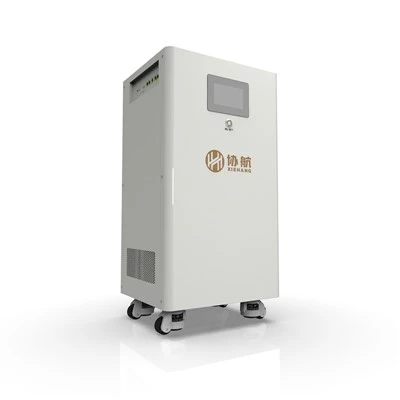
At the end of the day, off-grid home energy storage is about independence. It’s about not being at the mercy of the utility company, not panicking when a storm hits, and not throwing money away on rising energy bills. It’s a way to build a more resilient, affordable, and sustainable home for you and your family. If you’re ready to explore how we can help you make the switch, reach out to our team to start a procurement consultation. We’re here to guide you every step of the way.
PV-Storage & EV Charging All-in-One System References
- U.S. Energy Information Administration. (2024). Electricity Prices in the United States: Trends and Drivers.
- National Oceanic and Atmospheric Administration. (2024). U.S. Billion-Dollar Weather and Climate Disasters.
- Solar Energy Industries Association. (2023). The Solar Investment Tax Credit: Current Policy and Benefits for Homeowners.
- International Energy Agency. (2023). Home Energy Storage Market Trends and Outlook for Residential Applications.
- Electric Power Research Institute. (2022). Grid Resilience and Off-Grid Energy Storage for Residential Customers.
Zhejiang Xiehang New Energy Equipment Co., Ltd.
As one of the most professional home energy storage manufacturers and suppliers in China, our products have good reputation in the market. Please erst assured to wholesale custom made home energy storage from our factory. If you have any enquiry about cooperation, please feel free to email us.
Address: No.5 Hechen Road, Zhouwangmiao Town, Haining, Jiaxing City, Zhejiang Province, China
E-mail: dan.wu@xiehang.net
WebSite: https://www.shineonpower.com/
