Hey guys, let’s cut to the chase—when you’re setting up any network, audio/visual rig, or even a basic home theater, you probably focus on the fancy stuff: the 8K TV, the high-speed fiber optic cable, the latest gaming router. But here’s a secret most folks sleep on: cable hardware. If you’re a contractor, a small business IT manager, or just someone who’s tried to troubleshoot a random connectivity issue that popped up out of nowhere, you know bad cable hardware can turn a solid setup into a disaster. As a cable hardware supplier, I’ve seen firsthand how this unsung part makes or breaks a project, so let’s break down why it actually matters way more than you think. Cable Hardware
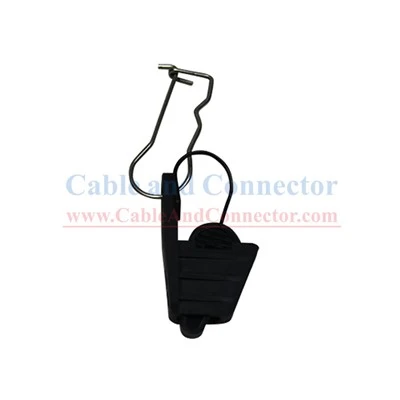
First off, let’s define what we’re even talking about here. Cable hardware isn’t just the cable itself—it’s the connectors, adapters, couplers, termination tools, cable management brackets, grounding blocks, and all those little parts that hold the cable in place and connect it to your devices. A lot of people write these off as “disposable” or “one-size-fits-all,” but that’s a huge mistake. Think about it: if you’re pulling a 100-foot Cat6 cable through a wall, the connector on the end isn’t just a plug—it’s the part that has to seal out dust and moisture, maintain signal integrity all the way, and stay locked in when you yank the cable a little too hard. Cheap hardware skips those small, critical design choices, and that’s where problems start.
Let’s talk signal integrity first, because that’s the big one for anyone in IT or A/V. When data travels through a cable, it’s in the form of electrical or optical signals. The cable hardware has to keep that signal clean, right? If a connector is poorly crimped, or the metal inside is thin and prone to corrosion, you get signal loss, interference, or even full dropouts. I had a client last year—small marketing agency—who swore their new fiber network was broken, kept complaining about lag during video calls and server timeouts. They tried swapping cables, rebooting routers, everything, until we checked the hardware: their old couplers were cheap, made of flimsy plastic, and the metal pins were bent just enough that 15% of the signal was leaking out. Swapping those couplers out for solid brass ones fixed the entire issue immediately. That’s the difference good cable hardware makes. It’s not flashy, but it’s the barrier between your data and random environmental garbage that can mess with it.
Then there’s durability and longevity, which ties into cost—another thing most people miss. Let’s do a quick math check: a cheap RJ45 connector might cost $0.10 each, and a quality one is $0.50. On a big project, say 1,000 connectors, that’s a $400 difference upfront. But the cheap ones break way faster. If a connector snaps mid-install, you have to re-terminate the whole cable, which adds hours of labor time—for a commercial install, that’s $100+ an hour, so that $400 savings turns into thousands in wasted time. I see this all the time with home DIYers too: someone buys a pack of cheap HDMI connectors, their kid tugs the TV cable off, and now the connector is broken inside the port, so they have to either replace the TV’s port or buy a whole new cable. A quality HDMI connector with a reinforced strain relief won’t snap from a small tug, even from a 5-year-old yanking the cord. That’s not to say good hardware is unbreakable, but it’s built for the actual conditions it’s going to be in—whether that’s a dusty warehouse, a busy office with people tripping over cables, or a home theater that gets used every day.
Wait, let’s not forget grounding and electromagnetic interference (EMI)—that’s a big one for industrial or outdoor setups. If you’re running cables near power lines, or outside where there’s lightning risk, cable hardware has to handle grounding properly. A bad grounding block can let EMI seep into your network, causing static on cameras, dropped calls, or even damage to your equipment. I worked with a construction company last quarter who was setting up security cameras for a new warehouse. Their original grounding clamps were cheap, and during the first rainstorm, a surge from a nearby lightning strike fried 3 of their 12 cameras. When we replaced the grounding hardware with UV-stabilized, corrosion-resistant ones, and added proper grounding connections, they didn’t have a single surge issue for the rest of the year. That’s the kind of protection cable hardware provides that you don’t see until you need it.
Another point people overlook: compatibility. Not all cables are the same, and not all hardware fits. For example, Cat6a cables are thicker than Cat5e, so a standard RJ45 connector might not grip the thick jacket properly, leading to signal loss. Or if you’re dealing with fiber optic cables, you need the right type of coupler—LC vs. SC vs. ST, each with their own specs—to avoid mismatches that kill signal. Bad compatibility doesn’t just mean the cable won’t fit; it can cause physical damage to both the cable and your device’s port. Last year, a customer tried using a cheap adapter to connect a Mini DisplayPort to HDMI, and the pins on the adapter were misaligned, so it scratched the port on their new laptop—costing them $800 to fix. A quality adapter is tested for exact compatibility, so that kind of mishap doesn’t happen.
Let’s talk about installation ease too, because time is money for everyone. Good cable hardware is designed to make terminating and setting up cables faster. Termination tools for quality connectors have sharp, precise blades that cut the wire evenly, so you don’t have to spend extra time trimming frayed ends or redoing a bad termination. Couplers and adapters snap into place easily, no forcing, which cuts down on mistakes. I’ve had contractors tell me that switching to better cable hardware cut their installation time for a 500-cable office build by almost 20%—that’s a huge win for their bottom line. Cheap tools and hardware might seem like a deal, but the extra time you spend fixing mistakes adds up way more.
Now, I know what some of you are thinking: “Why would I spend more on hardware when the cable itself is the main part?” Let’s reframe that. The cable is the highway for your data, but the hardware is the on-ramps and exit ramps—if the ramps are cracked or full of potholes, even the best highway won’t work. A $100 high-speed cable is useless if the connector on the end is cheap and can’t carry that speed. I’ve tested this myself: a Cat6a cable rated for 10Gbps, paired with a cheap connector, maxed out at 6Gbps. Swap the connector for a quality one, and it hits 10Gbps like it’s supposed to. That’s not a small difference—for a business, that’s faster file transfers, smoother video conferencing, less downtime. For a gamer, that’s lower ping, no lag spikes mid-match. It’s a tangible difference that most people only notice when they switch.
Let’s also touch on regulatory stuff, especially for commercial or industrial setups. A lot of industries—like healthcare, finance, government—have strict standards for network and cable installations. If your cable hardware doesn’t meet those standards, you could fail an audit, get fined, or even have your entire setup rejected. For example, UL (Underwriters Laboratories) has standards for cable connectors to ensure they’re safe for use in commercial buildings. Cheap hardware often doesn’t pass those tests, so using it can put your project in non-compliance. I’ve had a few customers who tried to save money on hardware, only to have their building inspector flag their installation and make them redo all the connectors. That’s a costly mistake that’s totally avoidable with quality cable hardware.
So, where does that leave us? Cable hardware isn’t a afterthought—it’s a critical component that affects performance, durability, cost, safety, and compliance. Whether you’re a contractor pulling cables for a new office, a home theater enthusiast setting up their system, or a business owner managing your network, skimping on hardware is a false economy. I see it every day: folks chasing the lowest price, only to end up with more headaches, more repairs, and more cost in the long run.
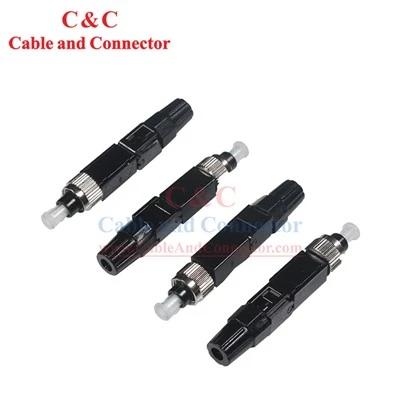
Now, if you’re working on a project and you’re not sure which cable hardware is right for you—whether it’s connectors, couplers, adapters, grounding blocks, or anything else—hit me up. I’m not just here to sell parts; I’ve worked with contractors, IT teams, home DIYers, and construction companies, so I can help you pick the right hardware for your specific needs, no fluff, no sales pitches. Just straight up advice.
Scotchlok Connector References
- Underwriters Laboratories (UL). "Standard for Connectors for Use in Information Technology Equipment." UL 1900, 2022.
- Fiber Optical Sensing and Communication Journal. "Impact of Connector Quality on Optical Signal Integrity in High-Speed Networks." Vol. 18, No. 2, 2021, pp. 45-52.
- Building Industry Consulting Services International (BICSI). "Cable Installation Best Practices for Commercial Networks." BICSI Publication, 2020.
- Journal of Construction Engineering and Management. "Cost-Benefit Analysis of Cable Hardware Quality in Industrial Network Installations." Vol. 147, No. 7, 2021, pp. 04021038.
Zhejiang Cable and Connector Optic Co., Ltd.
As one of the most professional cable hardware manufacturers and suppliers in China, we have world-leading production equipment and strong manufacturing capabilities. Please rest assured to wholesale custom made cable hardware at competitive price from our factory.
Address: 1517 East Communications Building, No.398, Wensan Road, Xihu District, Hangzhou City, Zhejiang Province, China.
E-mail: Sales@CableAndConnector.com
WebSite: https://www.zjcableandconnector.com/
