When I first started my metal carved board business, most of my clients were contractors building modern commercial spaces—storefront signs, industrial equipment labels, urban park benches with etched slogans. It wasn’t until a small-town historical society knocked on my door in 2019 that I began to ask a question that now sits at the core of every conversation I have with potential buyers: Can metal carved boards actually work as historical markers? Back then, I’d never considered the tension between the material’s rugged, functional reputation and the delicate, reverent purpose of telling a community’s story. Since that first query, I’ve worked with heritage groups across three states, tested these boards in environments that would destroy almost every other marker material, and learned that the answer isn’t just “yes”—it’s a solution that solves many of the quiet problems traditional historical markers have faced for decades. Metal Carved Board
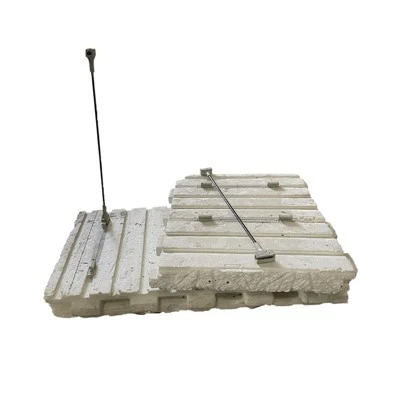
Let’s start with the basics: what makes metal carved boards different from the wood, cast iron, bronze, or even aluminum panels most historical societies rely on today. Unlike mass-produced aluminum signs that have graphics printed or applied with adhesive—materials that peel, fade, or crack within a decade—metal carving (for our products, it’s a precision CNC process followed by hand-finishing to smooth sharp edges) cuts directly into a solid metal sheet. No vinyl, no paint layers that chip, no printed text that blurs when exposed to UV rays or heavy rain. That durability is non-negotiable for historical markers, which are meant to outlive the people who write them, the ones who install them, and even some of the infrastructure around them. A wooden marker I inspected in rural Ohio last year had rotted through at the base in just 12 years; a cast iron marker from the 1950s in a coastal town in Maine had rusted so badly its text was unreadable by 2020. By contrast, a metal carved board we installed in a national forest in western Pennsylvania in 2021 still has crisp text and a finish that matches the day we set it in place.
But durability isn’t the only win here. Historical markers don’t just need to last—they need to preserve details that get lost when using other materials. For example, a group in central Pennsylvania wanted to mark the site of a 19th-century Black schoolhouse, with text that included the names of three former students who’d gone on to become local educators. A cast bronze marker would have required extra machining to add those small, personalized details, pushing the budget way over what the group could afford. A vinyl aluminum panel would have had text that faded so much the names would have been unreadable after 15 years. With metal carving, we can cut text (even small, fine script) directly into the metal, and we add a durable, non-fading patina that makes the names stand out without peeling or fading. That level of detail is critical for historical markers—they aren’t just signs; they’re records of a community’s specific, often overlooked stories.
Critics might point out that metal can be cold, or that carved edges could be sharp for passersby. But that’s a problem we solved early on with the hand-finishing step. After CNC carving, every edge is sanded to a smooth, rounded finish, and we use a powder coat finish that’s formulated to resist scratches and chipping, even in areas where snow plows or maintenance crews might brush against it. I also think there’s a cultural layer that’s easy to miss: historical markers made of metal feel intentional, not temporary. When a local group invests in a metal carved board, they’re sending a message that this story is worth preserving for the long haul—not just for a generation, but for the next 50 or 100 years. That’s a mindset that resonates with heritage groups tired of replacing markers every decade because the material wasn’t built to last.
Of course, no material is perfect, and I’ve learned to be transparent with every client about the limits of metal carved boards as historical markers. For example, in areas with extreme temperature swings—like the desert Southwest, where daily temperature changes can reach 50 degrees Fahrenheit—we recommend a thicker metal gauge (1/4 inch, instead of the standard 1/8 inch) to prevent warping. In coastal areas with heavy salt spray, we add a zinc primer before the powder coat, and we avoid bare metal carving in favor of a sealed, patina finish that resists corrosion. I’ve also learned to work with historical societies on design: some want a matte finish to blend into a wooded area, others want a polished finish to stand out in a downtown square, and we can adjust the process to meet that need. No two markers are the same, and that’s something I tell every potential buyer—metal carved boards aren’t a one-size-fits-all product; they’re a custom solution for each community’s story.
One of the most meaningful projects I worked on was with a small historical society in a former coal town in West Virginia. The town had closed its last mine in 1989, and the original wooden marker for the mine site had rotted away in 2018. The society wanted a marker that honored not just the mine, but the families who’d lived in the company housing nearby, the children who’d attended the local school, and the miners who’d organized a union there. When we designed the metal carved board, we included small details: the outline of a mining lantern, a tiny depiction of the company store, and text that listed the names of 12 miners who’d been killed in a 1952 explosion. The marker was installed in 2022, and last month I visited the site and saw a group of teens from the local high school leaning against it, taking photos to share with their social media. That’s the magic of it: a metal carved board doesn’t just hold text—it becomes a place where a community connects with its history.
I’ve also heard concerns from some historians that metal markers lack the “softness” of stone or bronze, materials that are often associated with historical commemoration. But I’d argue that durability and accessibility matter more than traditional aesthetic. A stone marker in a busy downtown area might crack from a car accident, or become so discolored it blends into the background. A metal carved board can be placed near a sidewalk, close to eye level, so people can read the text without craning their necks. It can be cut to a size that fits into a small park corner, or expanded to 6 feet wide to tell a longer story, something that’s harder to do with stone without raising the budget significantly. At the end of the day, a historical marker’s purpose is to communicate—so if a material helps that communication happen, even if it’s not the most traditional choice, it’s a good one.
Another point to consider is maintenance. Historical societies often have small budgets, and regular upkeep can add up quickly. A wood marker needs to be sanded and stained every 5 years; a cast iron marker needs to be repainted or re-sealed every 10 years to prevent rust; a vinyl aluminum panel needs to be replaced when the graphic fades, usually after 15 years. Metal carved boards? With our powder coat and sealing process, they require almost no maintenance. I’ve had clients tell me they haven’t touched their markers from our company in 5 years, and they still look the same as the day they were installed. That’s a huge benefit for small heritage groups that can’t afford regular upkeep costs.
I’ll be honest: when that first historical society knocked on my door in 2019, I wasn’t sure if I could meet their needs. I’d spent years working on commercial projects, and I didn’t have any experience with historical markers. But that project taught me that metal carved boards can fill a gap in the market that traditional materials haven’t been able to. They’re durable, customizable, low-maintenance, and they can preserve the small, important details that make a community’s history unique.
If you’re part of a historical society, a local government, or a nonprofit looking for a way to mark a significant site, I’d encourage you to give metal carved boards a closer look. I’ve worked on projects for sites ranging from Civil War battlefields to small town schoolhouses, and every time, the feedback has been the same: this material isn’t just a sign—it’s a lasting tribute.

Whether you’re planning a single marker for a small town park, or a series of markers for a historical trail, we can work with you to design a custom solution that fits your budget and your needs. We offer consultations to help you choose the right metal gauge, finish, and design for your environment, and we can provide samples so you can see the quality of our work before you commit. Don’t let outdated assumptions about marker materials hold your history back—metal carved boards are a reliable, cost-effective way to tell your story for generations to come.
Fiberglass Mesh References
- National Trust for Historic Preservation. (2020). Guide to Historical Marker Materials for Outdoor Sites.
- U.S. Forest Service. (2021). Durability Standards for Outdoor Historical Interpretation Signage.
- Society for Historical Archaeology. (2019). Materials Selection for Public History Commemoration Projects.
- International Sign Association. (2022). Cost-Benefit Analysis of Long-Lasting Outdoor Signage Materials.
Shanxi Rongshengchang Trading Co., Ltd.
As one of the most professional metal carved board suppliers in China, we’re featured by quality products and good price. Please rest assured to buy premium metal carved board for sale here from our factory. Welcome to view our website for more information.
Address: No.1602, 16th Floor, Unit 4, Building 13, Pingyang Jingyuan, No.65 Pingyang Road, Pingyang Road Street, Xiaodian District, Shanxi Province, China
E-mail: may.wang@rongshengchang.com
WebSite: https://www.rongshengchang.com/
