If you’ve ever worked with industrial heat treatment, metal forging, or any manufacturing process that needs controlled, high-temperature heating, you’ve probably heard the term “furnace vehicle” thrown around. But if you’re new to the space, or just looking to nail down the basics, one question comes up again and again: what’s the actual temperature range these units run at? As a supplier of furnace vehicles, I talk to shop managers, plant supervisors, and even process engineers every week who mix up furnace vehicles with standard industrial furnaces, so let’s cut through the confusion and break this down straight. Furnace Vehicle
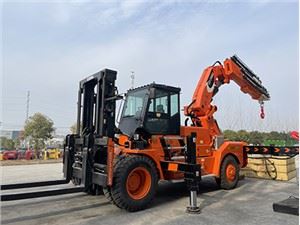
First, let’s clear up what a furnace vehicle is in case you’re not 100% sure. Unlike a fixed industrial furnace that stays bolted to the floor in a single bay, a furnace vehicle (sometimes called a rail-mounted furnace or car-bottom furnace) is a mobile, self-contained heating unit that rolls on heavy-duty rails set into the factory floor. The “vehicle” part refers to the movable hearth—you load raw materials (like large castings, heavy metal parts, or even entire assemblies) onto the car, roll it into the main furnace chamber, and close the door for heating. That mobility is key: it lets you move large, awkward loads without cranes or forklifts, and it’s perfect for batch processing where you don’t need a furnace tied to one spot 24/7.
Now, the temperature range. This isn’t a one-size-fits-all number—there are a few factors that shift it, like what you’re heating, the type of fuel you’re using (natural gas, propane, electric), and even how well the furnace is insulated. Let’s start with the low end, because a lot of people don’t realize furnace vehicles aren’t just for super high-heat jobs. If you’re doing things like preheating metal before welding, stress relieving small castings, or annealing aluminum, you’ll run these units at the lower end, usually between 200°F (93°C) and 1,200°F (650°C). Wait, that’s way below the flame temperature of, say, a welding torch, right? But heat treatment works slowly—you need to hold that temp for hours to get the material properties you want, so consistency is way more important than instant heat.
Then we move into the mid-range, which is where most of our customers land. For jobs like normalizing steel, tempering large gears, or hardening tool steel, you’ll be looking at 1,200°F (650°C) up to around 2,000°F (1,093°C). This is the sweet spot for general metal manufacturing—most auto parts, construction equipment components, and even some aerospace parts go through this range. What’s cool about furnace vehicles here is that the mobile hearth lets you load a 10,000-pound gear assembly, roll it in, and heat it evenly, instead of trying to hoist it into a fixed furnace that might have hot or cold spots along the walls.
Now, the high end. If you’re dealing with superalloy components for jet engines, heat treating high-speed steel cutters, or processing ceramic materials, furnace vehicles can go way hotter—up to 3,000°F (1,649°C) and sometimes even higher, depending on the design. These units use dense, high-temperature insulation (like refractory brick or ceramic fiber) and powerful heating elements or burners to hit those temps. I’ve seen some of our custom builds go up to 3,200°F (1,760°C) for specialized aerospace work, but that’s not standard—most off-the-shelf models cap around 2,800°F (1,538°C) for heavy-duty use.
Wait, let’s get specific about what limits the range, because that’s a common question. The hearth itself—where you load the material—has to hold up to the heat, right? If the hearth frame is made of standard steel, it’ll warp at high temps, so we use alloy steels or cast refractory materials that can take the heat. Also, the rail system the vehicle rolls on: those are heavy-duty, heat-treated rails that sit outside the furnace chamber, so they never get as hot as the hearth, which is why they last for years even with daily use. Another big one is temperature control. Furnace vehicles have precise thermocouples and programmable logic controllers (PLCs) that let you set a specific temp, ramp it up at a safe rate, and hold it for as long as you need—no guessing work. If you’re running a stress relief job, you might hold at 1,100°F for 8 hours, then slow cool over another 12; that’s all controlled automatically, which is way more consistent than manual heating.
Let’s also bust a myth here: some people think furnace vehicles only use gas, but electric models are super popular too, especially for lower to mid-range temps. Electric furnace vehicles use resistance heating elements, which are easy to calibrate and have very uniform heat distribution, making them great for jobs that need tight temp tolerances. Gas models (natural gas or propane) are better for high-heat jobs because they can hit higher temps faster, which is a time-saver for large batch runs.
Now, why does this range matter for your operation? If you’re a small job shop, you might only need a low-to-mid range unit for small castings or repair work. A big auto parts plant needs a mid-range model for mass-produced engine components. An aerospace manufacturer needs a high-end custom unit for superalloy parts. A lot of first-time buyers don’t know what to look for, so we always ask them a few questions before recommending anything: What’s the maximum temp you need to hit? What’s the heaviest load you’ll be moving? Do you need electric or gas? How much space do you have for the rails? One of the most common mistakes people make is buying a unit that’s either too small (can’t hit the temp they need) or too big (wastes energy on runs that don’t need high heat).
Another thing to note: the “working temperature” vs. the “peak temperature.” The number I gave you is the working temp—that’s the steady temp the furnace holds while processing. Peak temp is the highest it can reach temporarily, usually when heating up or cooling down, which is a little higher, but not something you process parts at. That’s important because the insulation and heating elements are rated for peak temp, so you don’t want to push a unit past its rated peak, no matter what.
As a supplier, we’ve seen a lot of units in action, and the range is pretty consistent across most reputable manufacturers, but there are some budget models that cut corners on insulation, so they might not hit the full range or have uneven heat. For example, a cheap furnace vehicle might only go up to 1,800°F, while a quality build will go up to 2,500°F, and the difference is in the insulation, the heating elements, and the control system. That’s why it’s not just about the number—it’s about the reliability and consistency at that range.
If you’re still on the fence about what temp range you need, or you’re looking to upgrade your current heating setup, don’t guess. The worst thing you can do is buy a unit that doesn’t meet your needs, which leads to downtime, wasted materials, and extra costs. We’ve helped shops of all sizes pick the right furnace vehicle, whether they need a compact 2,000°F unit for a small shop floor or a heavy-duty 2,800°F model for a large manufacturing plant. We can walk you through the specs, answer all your questions about temp ranges, load capacities, and even customization options if you have specific requirements.
Whether you’re stress relieving, annealing, hardening, or any other heat treatment process, getting the temp right is non-negotiable. If you’re ready to find the furnace vehicle that fits your operation’s needs, reach out to our team for a no-obligation consultation. We’ll go over your processes, your load sizes, and your temp requirements to make sure you get a unit that works for you, not against you.
Attachment References
- ASM International. (2019). Heat Treater’s Guide: Practices and Procedures for Irons and Steels. ASM International.
- Davis, J. R. (Ed.). (2001). Steel Heat Treating: Principles and Techniques. ASM International.
- Modern Casting. (2022). “Car-Bottom Furnaces: Mobile Heating for Large Castings.” American Foundry Society.
- Lindberg, R. A. (2019). Processes and Materials of Manufacture. Pearson.
- Industrial Heating Magazine. (2021). “Furnace Vehicle Design: Balancing Mobility and High-Temperature Performance.” Gardner Business Media.
Fujian SOCMA Machinery Manufacture Co., Ltd.
Fujian SOCMA Machinery Manufacture Co., Ltd. is one of the most professional furnace vehicle manufacturers and suppliers in China. We warmly welcome you to buy customized furnace vehicle made in China here from our factory. If you have any enquiry about cooperation, please feel free to email us.
Address: Taiwanese Investment Area, Quanzhou, Fujian, China
E-mail: marketing@socmamarketing.com
WebSite: https://www.socma-forklift.com/
